

How I Use AI for This Blog
The more I read about AI disclosure, the more I wanted to explain how I use AI in my blog.
Research published in Organizational Behavior and Human Decision Processes shows that AI disclosure "paradoxically erodes trust," and the "analysis did not point to either AI familiarity or AI usage diminishing the negative effect." Similar results were found in advertising. Overall, disclosure of AI-generated ads reduces trust in the product and the company, similar to the effect of sponsorship disclosures.
Closer to home, in business communication, a survey of working professionals by Peter Cardon and Anthony Coman published in the International Journal of Business Communication found that AI disclosure led readers to “begin to question the authorship, confidence, caring, sincerity, and ability of senders.” As an illustration, Jacob Zucker at the University of Massachusetts Amherst posted on LinkedIn that he won’t tolerate when a conference presenter discloses use of AI-generated slides.
I write this with the hope that my AI use will be perceived as reasonable and positive. Or maybe it's more for me—my own humility and integrity. This disclosure approach follows Lance Cummings’ advice, which favors explaining how we use AI rather than readers relying on AI detectors, which often incorrectly identify our use.
To be clear, AI never writes for me. I often have to remind ChatGPT and Claude of my preference. My process is sometimes to ask for research assistance, always draft my own post, and then upload the draft for AI to review:
Finding Sources
Sometimes, I will ask AI to find news articles or posts that take or contradict a particular angle on a story. I may also ask for help finding company posts and statements. Of course, I always find and read the original source (when it exists!). (Once, ChatGPT paraphrased a direct quotation for some reason I don't understand.)
Proofreading and Suggestions
After I have a well-developed draft, I will upload it into ChatGPT with this prompt: “Please list typos and suggestions for this blog post.” From my history, ChatGPT knows the purpose and audience. I run my second draft through Claude.
I accept some suggestions and ignore others. Some suggestions are quite helpful, for example, when I insert my own opinion more than might be appropriate given the context and audience (I have to keep my self-righteousness in check). Other times, I get stylistic suggestions, mostly to use a more formal, academic tone, which I tend to ignore.
Other suggestions, for example, for fact checking, have been useful. I might write a draft blog post on one day and run it through AI the next. In that window, more may be revealed about a story that I had missed. Or AI may find contradictory information that I missed. For example, for a blog post about the cargo flight crash at the Miami airport, ChatGPT flagged discrepancies in reported speed (touchdown or runway exit). For that post, AI also suggested that I mention the plane’s history as a converted freighter, which may be important for attribution theory and crisis response—a fact I had otherwise decided to skip.
My posts take more time with AI assistance, but I believe they turn out better with the help.
Image source (caption reads, “Image created with Chat GPT [sic].”

Land Acknowledgments Through an Audience Lens
New York Times columnist and Columbia University linguist John McWhorter argues in favor of land acknowledgments. Students may examine his perspective and others’ from a business communication lens, particularly to consider the objectives and audiences of such statements.
Land acknowledgments seem to be on the decline, partly as a reaction to the Trump administration’s attack on DEI policies and partly because critics say they are “performative.” But McWhorter says they are part of a broader strategy and that “some response is better than none.” He also provides an example that acknowledges original inhabitants and their ongoing relationship, which is a common criticism of more perfunctory statements:
Yale University acknowledges that Indigenous peoples and nations, including Mohegan, Mashantucket Pequot, Eastern Pequot, Schaghticoke, Golden Hill Paugussett, Niantic, and the Quinnipiac and other Algonquian-speaking peoples, have stewarded through generations the lands and waterways of what is now the state of Connecticut. We honor and respect the enduring relationship that exists between these peoples and nations and this land.
What may be missing in the discussion of land acknowledgments is the audience. This video captures the awkwardness for an audience member at a theater production. After the land acknowledgment, she’s confused: “Should we go? . . . . If we’re on someone else’s land, shouldn’t we leave?”
As communicators, we consider our objectives: what do we want our audiences to think, feel, or do differently after hearing our message? Do we want them to feel sad? guilty? impressed? Do we want them to recognize the injustice to Indigenous people? Do we want them to donate? volunteer? engage with Indigenous communities?
Are land acknowledgments persuasive or informational messages? It’s not entirely clear. Is just hearing the message as a reminder enough?
How do students feel when they hear these statements? How do their own beliefs or identities affect their views?
McWhorter advocates for action in addition to statements and provides examples of Yale’s contributions to indigenous communities. The Association of Indigenous Anthropologists goes further, advocating for land acknowledgments to work toward reconciliation, reparation, and return of the land. Is that the purpose and the sincere effort of those making these statements? Without action, speakers risk an integrity problem: saying one thing but doing little to demonstrate their commitment.
Perhaps some combination of acknowledgment and action in the message is most appropriate. But that would make for a longer introduction than audience members at most events may tolerate.

Cornell Comms About Rape Allegations
The Cornell University response to a sexual assault case hits close to home, but the messages provide lessons in communicating sensitive information during a crisis. As always, care must be taken in the classroom when discussing such topics; faculty might consider letting students know in advance what will be covered or including message analysis as an optional part of a project or exam.
A 2024 incident at Chi Phi fraternity led to a civil lawsuit by “Jane Doe” against seven students, the university, and others. The fraternity was banned from campus and two students were expelled, but no criminal charges were sought by the district attorney. Social media and news reports reveal public outrage about a perceived lack of accountability and justice.
Students might analyze the following.
Cornell University Communications
September 28, Statement. The first statement, from university relations, is titled “District Attorney’s investigation of 2024 sexual assault allegations”—an early attempt to shift blame and focus to the DA. The statement explains steps the university took, corrects misinformation (that fraternity members only wrote essays), and defends actions taken. The last paragraph digs in perhaps too early, before more information, including the tenor and severity of the public response became clear:
Any suggestion that the university did not impose consequential punishments for those involved is false. A continuation of the false narrative that there were minimal consequences in this case is irresponsible, will make survivors feel less safe and supported, and will perpetuate the underreporting of sexual assault.
September 29, Resources. The next day, the university posted “Resources and support for sexual assault and misconduct.” The page links to previous statements, including one from November 2024 about the incident, which was well known on campus at the time. The page describes a task force, including links to the final report and recommendations. A cynic (like me, today) might find the recommendations focused more on communication, understanding, and training than on substantive change. For example, one bullet point is, “Improve understanding about the Title IX process.” This focus is reflected in the initial statement that described the Title IX purpose and process. A different approach, of course, is to rethink the current Title IX process.
FAQ. As expected, the FAQ is mostly explanatory.
Survivor Support Letter. Not a new resource, this message focuses on students’ well-being. It’s written by healthcare professionals and student advocates, and it shows. One improvement might be to acknowledge how the “narrative” they mention may evolve over time as survivors’ understanding and feelings about an event shift, which seems particularly relevant in this case. With some distance and outside perspectives, people who experience trauma may come to understand it in new ways. Also, the page links to a Decision Tree showing where to report an incident—through the Title IX office, campus police, local police, or the New York State Campus Sexual Assault State Trooper (more accurately, the reporting channel is the Campus Sexual Assault Victims Unit). Students may question whether the outcome would have been different if Jane Doe had chosen another avenue for reporting.
Other Communications
Students might also explore the following:
Ithaca Mayor’s Statement. He writes “brutal rape,” whereas the word “rape” is rare in these messages. Students might consider whether his direct language is appropriate given that the facts are still contested.
Fraternities. Students can compare communications from their own campus fraternities; several “We stand with Jane Doe” messages have appeared at other colleges.
Communication Pause
During a crisis, an organization should probably pause routine social media activity. For example, publicizing work, no matter how groundbreaking, invites criticism. This LinkedIn post and comments illustrate the risk. Donor appeals should also wait.
When sending other messages, leaders need to be sensitive to the situation. An internal email about organizational changes starts, “While I recognize that this message comes in the midst of heightened communications across the university and in our college, we have important work to continue. . . .” This introduction acknowledges the timing and attempts to move forward as the crisis continues to unfold.

Ed Sheeran’s Apology
Ed Sheeran apologized onstage after supporting act Macklemore was removed from his tour, and every other opening act withdrew in protest. Analyzing the apology may challenge students because of their own political views.
Macklemore said “Free Palestine” and showed pictures of destruction in Gaza at previous shows (and he dressed as a Jewish caricature in 2014). Sheeran responded initially with an Instagram post, deflecting decision responsibility to the tour promoter and implying that he would have left Macklemore on the schedule. He also didn’t quite say what Macklemore did or said—what fans objected to—which feels as though he didn’t address the issue directly.
Students may assess his apology at the beginning of the show against the suggestions in Chapter 7 of Business Communication and Character:
Showing remorse (for example, saying, “I’m sorry” or “I apologize” instead of “I regret”)
Accepting responsibility (for example, saying, “It’s my fault” or “I failed to . . .”)
Saying what you did wrong
Explaining what happened
Acknowledging the impact
Offering to fix it
Saying what you’ll do differently
Requesting forgiveness
Sheeran appears comfortable and authentic. He reads from a teleprompter, but that may be a wise choice given the sensitivity of the situation. Piers Morgan disagrees: “[Sheeran was] reading it off an autocue like some bullied puppet.” Students will have their own opinions.
Sheeran leads the concert with the issue, which would be the “elephant in the room” otherwise. He says, “I am making mistakes, and I’m so, so sorry,” although he doesn’t say exactly what they are. He broadens the issue toward pre-approval of performers and his desire not to be a “political commentator,” although he then says “but” and attempts to address both sides of the war in Gaza. Critics also remind us that he demonstrated support for Ukraine by visiting, so he hasn’t been entirely neutral about war and politics. This seems like an inconsistency and a potential issue of integrity, as we define it in Chapter 1. He doesn’t acknowledge the impact on fans, including their disappointment in hearing other acts.
Demonstrating authenticity, he chokes up a bit and makes a joke, which is risky but works: “I hope you enjoyed my support acts this evening. I heard they were great.” This is a clever way to acknowledge that all three opening acts (Lukas Graham, Finneas, and Aaron Rowe) withdrew, although he could have been more direct.
Overall, the statement seems to appease the crowd and critics, which is a difficult balance. After all, some fans just wanted to see a concert.

Comm Lessons from Alan Greenspan
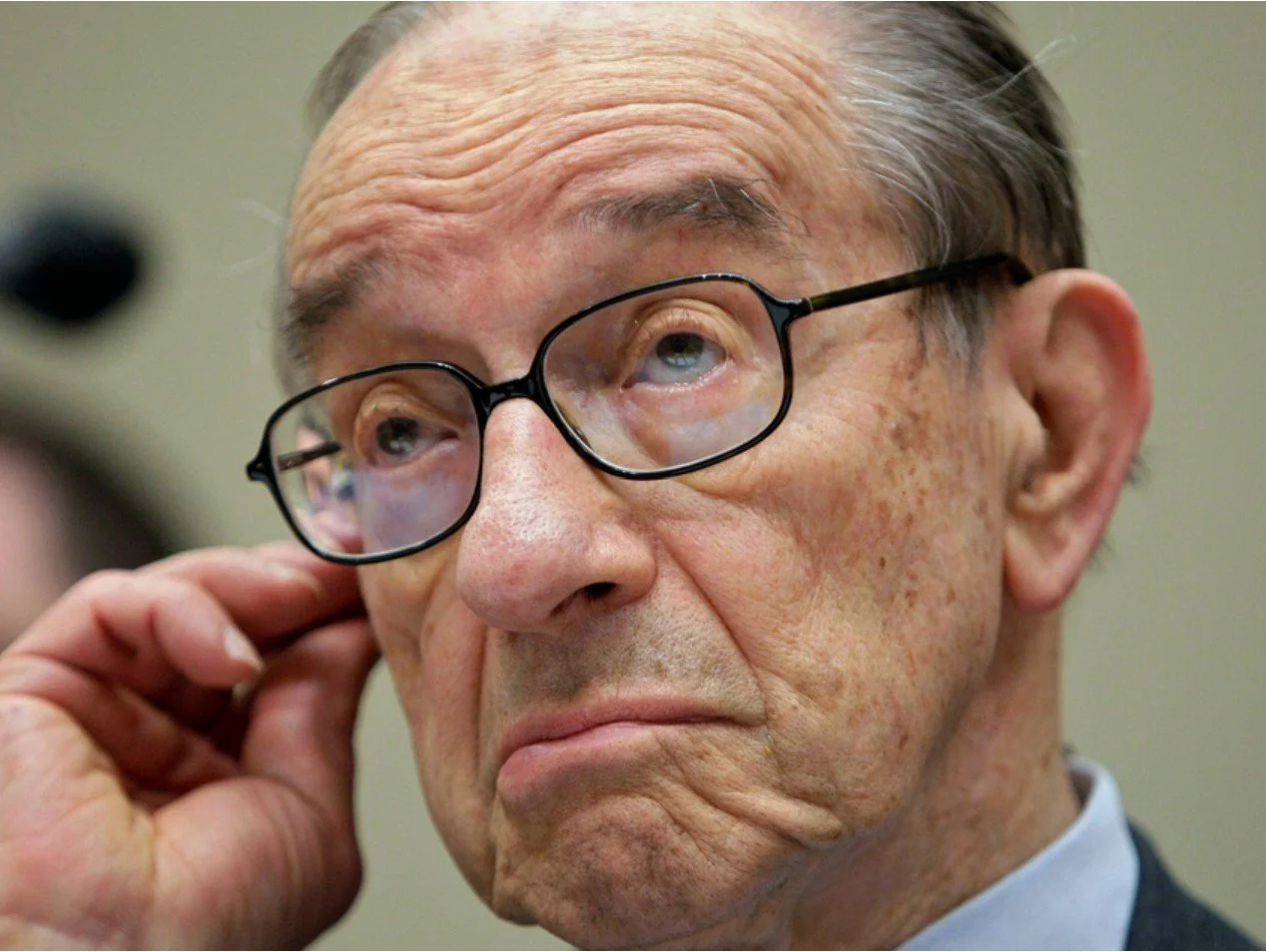
Former Federal Reserve Chairman Alan Greenspan’s death at 100 is an opportunity to talk with students about two communication lessons: the power of his words and his choice to be unclear.
Words That Moved Markets
For decades, “his words moved markets,” but perhaps Greenspan’s most famous phrase is “irrational exuberance” from a 1996 speech:
We can see that in the inverse relationship exhibited by price/earnings ratios and the rate of inflation in the past. But how do we know when irrational exuberance has unduly escalated asset values, which then become subject to unexpected and prolonged contractions as they have in Japan over the past decade? And how do we factor that assessment into monetary policy?
After that speech, global markets opened between 2 and 4% lower, although they did recover quickly. Some analysts are drawing analogies between the dot-com bubble of the late 1990s, the housing crisis of 2007-2008, and the AI hype today, calling each irrational exuberance.
Intentionally Unclear Language
On a PBS News Hour segment, a reporter explained:
[He] would let his sentence sort-of go around with multiple subclauses, and it would just be incomprehensible. It was a tactic and a very successful one.
Greenspan acknowledged the strategy:
I have learned to mumble with great incoherence. If I seem unduly clear to you, you must have misunderstood what I said. (1987 to a Senate Committee)
One of the problems that surprised me when I got into public life was that open, clear talk is—often creates problems. (2007 PBS News Hour interview)
[Asked about “fed-speak”] It’s a—a language of purposeful obfuscation to avoid certain questions coming up, which you know you can’t answer, and saying—“I will not answer” or basically no comment is, in fact, an answer. . . . So, I proceed with four or five sentences which get increasingly obscure. The Congressman thinks I answered the question and goes onto the next one. (2007 CNBC interview)
A Forbes writer discusses fed-speak (aka “Greenspeak”) and the pendulum of transparency over time. In business communication, we talk about transparency as an aspect of integrity. Greenspan’s approach might be challenging for students to reconcile.

Meta Says Little About Outage
For a outage that affected hundreds of millions of Facebook, Instagram, and Messenger users, Meta executives have said surprisingly little. Students may analyze the company’s minimal response in this situation.
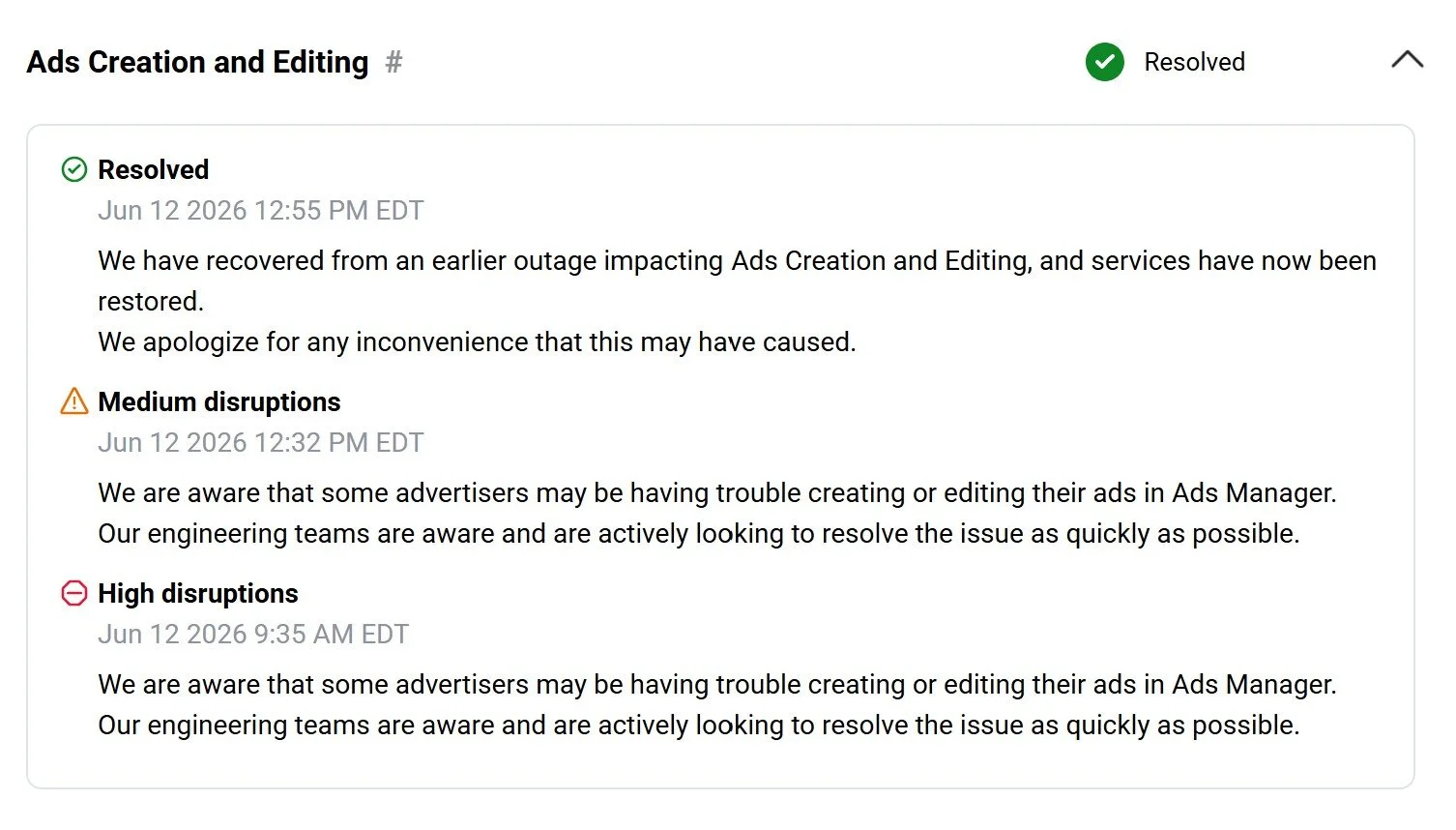
Meta doesn’t to have a page to provide status updates to the public. However, its business page, metastatus.com, acknowledged outages for ads products.
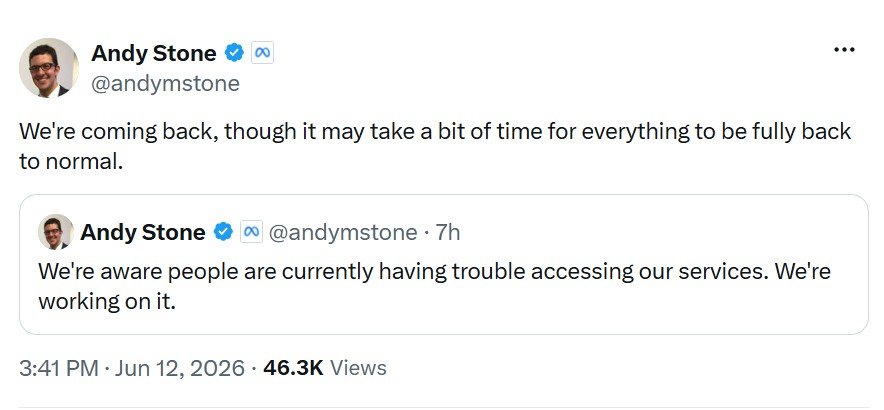
Other than that, Meta's VP of Communications Andy Stone tweeted only two posts shown here. Nothing appeared after: no company statement, no explanation, no apology, no plans for improvement—silence, as though it didn’t happen at all.
In this case, Meta may have skirted a crisis situation. The outage didn’t translate into outrage, and we may never know what caused the problem. Although the company didn’t follow classic crisis communication advice, they may have made the right decision to say so little.

UnitedHealthcare Ad Tries to Repair Image
Bruised by publicity around the murder of CEO Brian Thompson, UnitedHealthcare has a new ad focusing on employees. Students can analyze the ad as a strategy for repairing brand image.
With the title “Committed to Care,” the commercial shows a diversity of employees. They speak of their commitment to the company and to serving customers. They look like average people—like one of us—not polished executives in fancy offices wearing fancy clothes. They talk about the heartache and challenges in their own lives of being different and having family members with health problems. They (and their kids) get emotional.
Clearly, the purpose is to humanize UnitedHealthcare—to counter criticism, particularly about denying claims. Critics say the company relies on algorithms, so this ad emphasizes actual people and their feelings.
Students might identify primary and secondary audiences and communication objectives for the ad. They might cite specific objectives, for example, increasing enrollment and lowering cancellation rates, and broader objectives, for example, improving talent acquisition and ensuring executives’ safety.
Given the anger at UnitedHealthcare and support for Thompson’s alleged murderer, the company has a lot of work to do. Students might consider the timing of this ad, about 16 months after the shooting. That’s probably enough time to avoid criticism about reactivity and spin. With an immediate response, the company also might have appeared dismissive, lacking compassion for Thompson’s death. Yet not too much time has passed that the company has missed the moment—the opportunity to present another side of employees’ work.

Comparing Artists’ Statements about Freedom 250
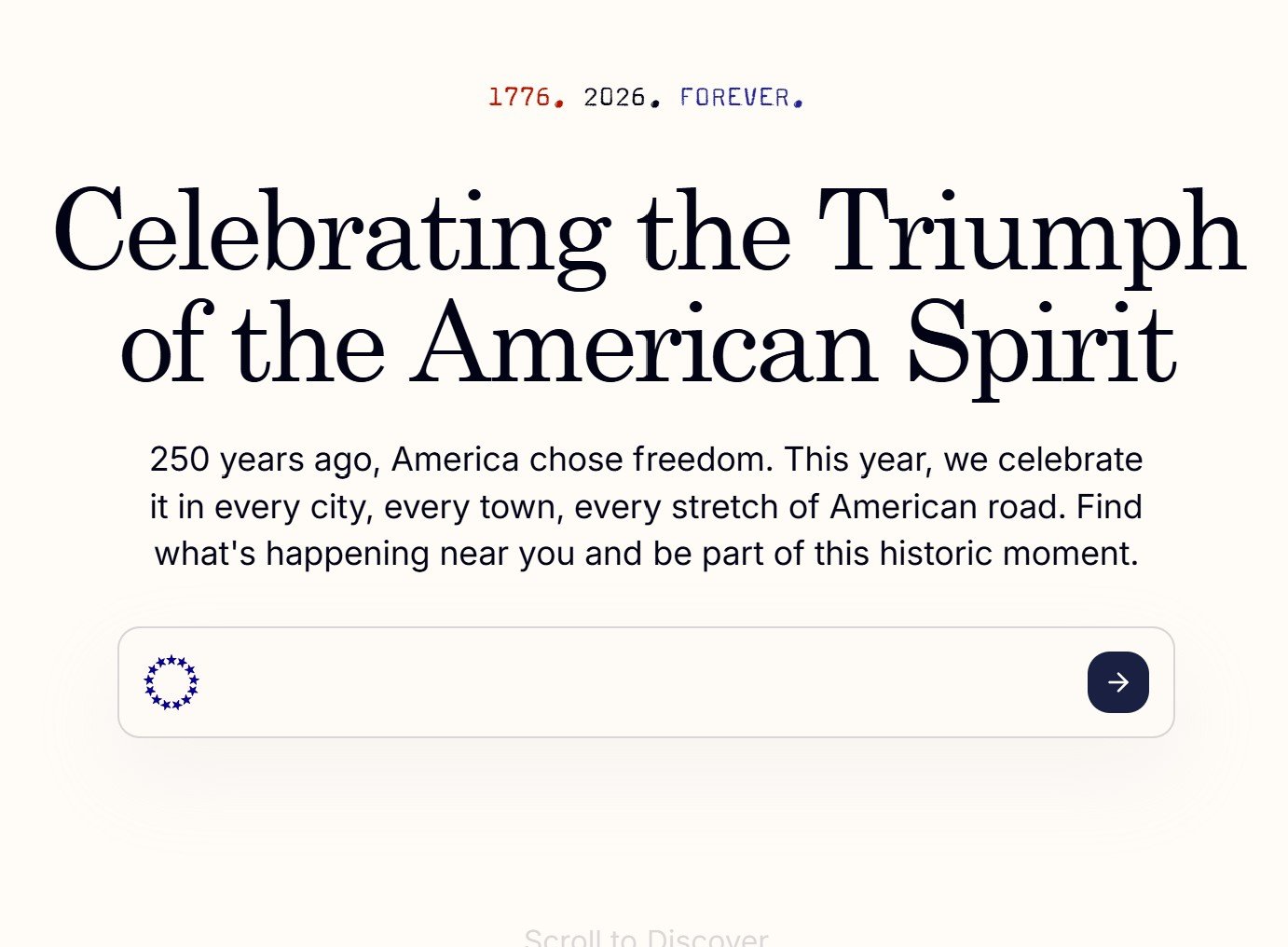
Students might compare how performing artists communicated their decision to withdraw from a Freedom 250 event.
The same day the Great American State Fair concert on the National Mall was announced, several artists changed their mind about participating. Some said they were misled, believing the event wasn’t as non-partisan as initially described to them. Here’s the description on the Freedom 250 website:
Freedom 250 is the national, non-partisan organization leading the celebration of our Nation's 250th birthday. Working together with the White House Task Force 250, federal agencies, and the Commission, Freedom 250 serves as the official public-private partnership that connects, aligns, and amplifies national and local efforts to deliver the defining presidential moments of this anniversary year.
At its heart, Freedom 250 is creating a movement of citizens, organizations, companies, and leaders from across the country to honor our Nation's proud history, cherish our God-given freedoms, and build the Golden Age of Opportunity for the next 250 years. Other signature events include the Great American State Fair, Memorial Day Parade, and Evening Candlelight gathering, Sail4th 250, Salute to America (DC July 4), and the Patriot Games, among others.
Here are statements to compare and a few distinguishing elements. Links to full posts illustrate disconnections in some, jumping from the decision to a global statement without any substantive rationale.
Brett Michaels: Emphasizes concern for fan safety and failing integrity—inconsistency is messaging—of event organizers.
“Concerns have also been raised regarding the safety of my fans, band, crew, family and myself, including threats that are completely unfounded and unforgivable.”
“Unfortunately, what was presented to us as a celebration of our country has evolved into something much more divisive than what I agreed to be part of.”
Martina McBride: Also emphasizes integrity—in this case, consistency between her actions and her songs.
“It greatly upsets me that any fan who has been moved by my music may now feel like I’m abandoning the meaning behind those songs.”
Young MC: Also says he was misinformed, although students might question why he and others didn’t know the event was “Trump backed.”
“The artists were never told about any political involvement with the event. And despite the claims by the organizers that the event is non-partisan, SPIN magazine describes [it] as Trump-backed.”
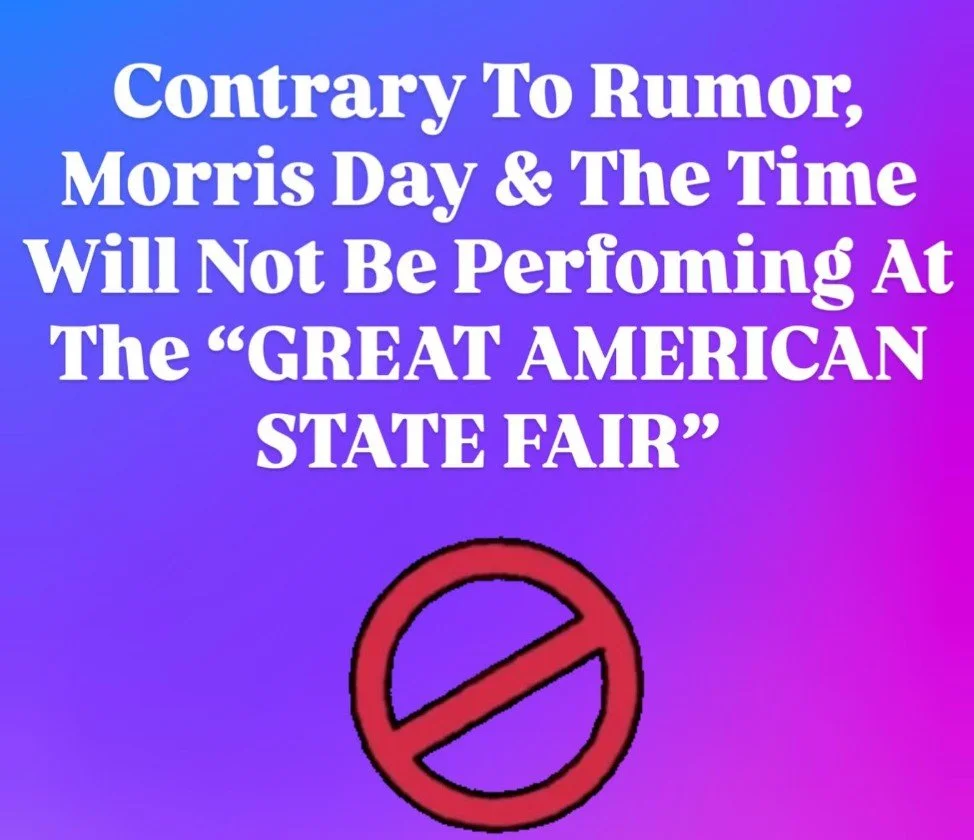
Morris Day: Says little but posted this image with jarring colors, an outdated circle-slash, (likely) Cooper-Black font, and the caption, "It's A No For Me.”
The Commodores: Published a statement about their values, as others do.
"Our music has always been our voice, and we choose not to publicly affiliate with any single political party. We support the betterment of all Americans."
Students may find more posts and analyze them for their own illustrations of character as well as inconsistencies and reasoning gaps.

Matthew Perry Defendant’s Claims

The live-in assistant who administered the ketamine that killed actor Matthew Perry argued he “only did what his boss said." The case raises issues of character and could spark a class discussion about ethics.
Kenneth Iwamasa pleaded guilty and was sentenced to 41 months in prison, but his attorney argued that he was carrying out his job. Prosecutors identify financial benefits for Iwamasa, as they have for other defendants, including Perry’s suppliers: the so-called “Ketamine Queen” and the doctor-dealer, who said, “I wonder how much this moron will pay” and “Lets [sic] find out.”
Perry’s stepfather accused Iwamasa of not wanting to sacrifice his personal income and “living like a king.” He said, “You kept injecting him with more. You could have made the phone call, but you were living a pretty dandy life.” Character dimensions at play are integrity and compassion.
Demonstrating strong character often means putting others’ interests ahead of our own. This is perhaps the biggest failing of those involved in Perry’s death. Iwamasa’s statement about how he loved and cared for Perry seems to contradict his actions. The accusation was illegal drug distribution, and Iwamasa admitted to breaking the law.
In her work on Giving Voice to Values, Mary Gentile offers a class activity for students to identify times at work when they did and did not speak up when a situation conflicted with their values. Students identify circumstances that made it possible and difficult for them to speak up. The hope is for students to learn from their past and to have courage in future situations, regardless of an employer’s demands.

OpenAI Trial: “Stole a Charity” and Other Highlights
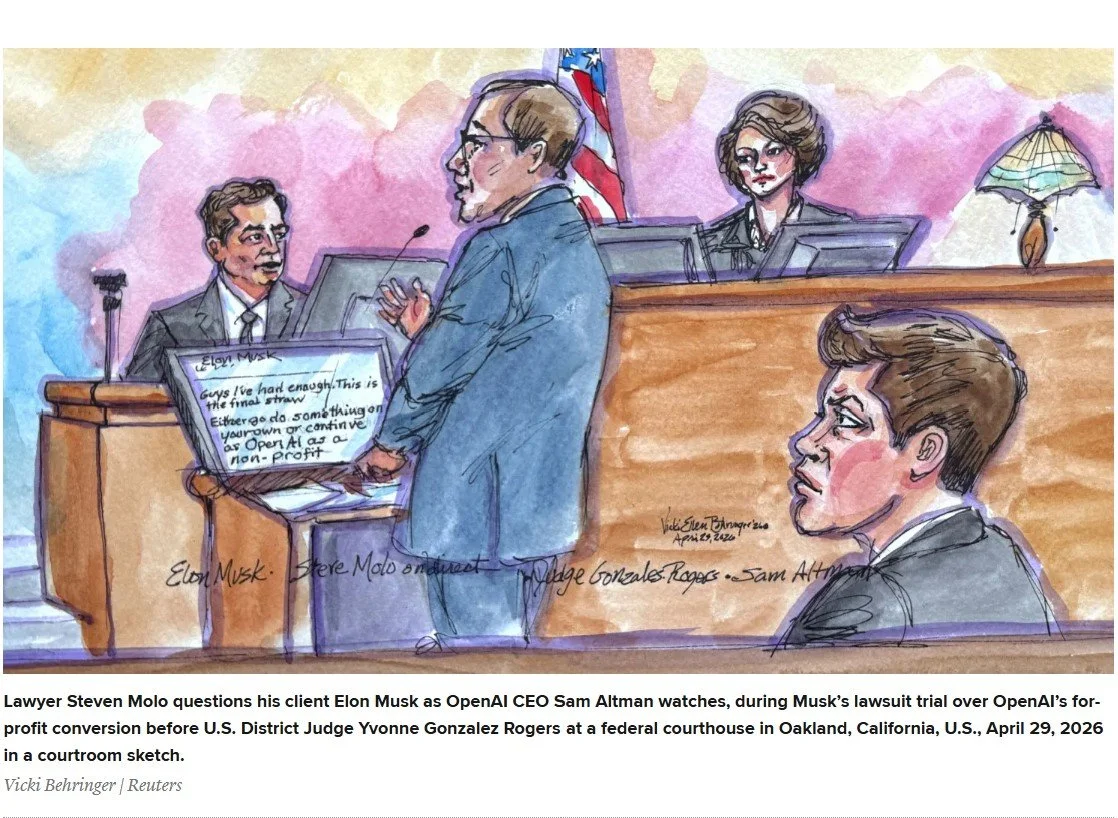
Elon Musk’s case against OpenAI CEO Sam Altman shows a clever framing and other issues about money and leadership.
Elon Musk repeated versions of the phrase “steal a charity” 17 times when he took the stand. Sam Altman may have made a classic crisis communication mistake by repeating it yet again:
It feels difficult to even wrap my head around that framing. . . It does not fit with my conception of the words '“stealing a charity” to look at what has actually happened.
The phrase seems to be missing a preposition, but it implies that the entire nonprofit organization has been under siege, co-opted for personal (profit) gain. Charity sounds folksy, as though the execs are stealing from the church collection plate or taking money from a food pantry.
Altman also struggled answering a question about his honesty. He was asked repeatedly whether he is honest and whether he lies. Students might analyze this part of the testimony (about halfway down the WSJ page). Altman can’t seem to say that he doesn’t lie. When asked, "You've been repeatedly called deceptive and a liar by people with whom you've done business, right?,” he answered, “I have heard people say that.” The exchange seems like a win for Musk, although he lost the $150 billion claim against OpenAI.
But OpenAI lost too. “Scam Altman” and “stealing a charity” may reverberate in investors’ heads during the pending IPO.

Insults Hurled with Kevin O’Leary in Data Center Fight
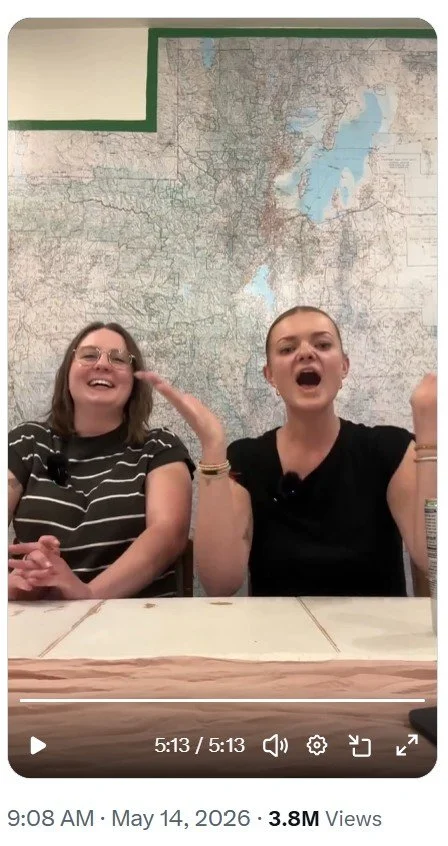
Like many communities, Box Elder County, Utah, is debating the development of a local data center. Two young women are in the spotlight, attacked by investor Kevin O’Leary. Students might analyze O’Leary’s claims and the women’s video approach as they attack back. The data center project, dubbed Wonder Valley (“Mr. Wonderful” on Shark Tank), mirrors a smaller Alberta, Canada, project.
On X, Gabi Finlayson and Jackie Morgan posted a video of O’Leary on Fox News. He accuses them of being Chinese operatives, and they interject by commenting on his flip flops and hat. They laugh and curse, and although the video shows many edits, they are authentic—unlikely Chinese shills.
Students may laugh too—the women are funny—but they have stronger arguments. O’Leary has more claims with little evidence. He discounts other protestors ("over 90% of the protesters are actually not people that live in Utah or Box Elder County” . . . “paid by somebody—I don't know who”).
In addition, one of his major arguments is the number of jobs the data center will bring, but Business Insider reports a discrepancy. O’Leary claims 10,000 temporary construction jobs and 2,000 permanent positions, but his own O'Leary Ventures CEO Paul Palandjian said numbers are closer to 4,000 for start-up, and USC Marshall researchers found ongoing jobs to be about 78% of that initial number.
He also dismisses environmental concerns by boosting himself: "I'm actually the only developer of data centers on earth that graduated from environmental studies, so I'm pretty aware of what these concerns are.” His Wikipedia page cites “an honours bachelor's degree in environmental studies and psychology,” which could mean just a few undergraduate courses.” Also, of course, knowing environmental concerns doesn’t necessarily translate into protecting the environment.
The X video did get 3.8 million views so far, so something worked. But students might discuss how else the women can respond to O’Leary’s attacks.

An Argument Against Canvas and Other LMS Use
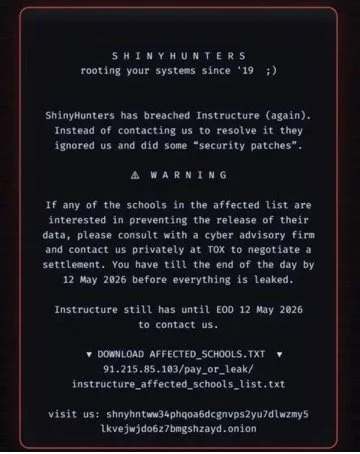
The recent ShinyHunters Canvas hack exposed vulnerabilities in higher education infrastructure and ignited calls for educators to take protective actions. A blog post by the Digital Rhetorical Privacy Collective (DRPC) offers an example of a persuasive argument for students to analyze and includes recommendations relevant for business communication faculty.
Talk with Students about Data Ownership, Privacy, and Security
Lessons around digital citizenship and data integrity are certainly within our course objectives, although data privacy and security may be less so. Still, the breach is an opportunity to remind students about setting strong passwords, restricting personal information, and practicing skepticism to avoid phishing attempts.
Insist on Transparency and Responsible Technology Use in Classrooms
The DRPC suggests talking with students about what faculty can see and how we track student participation in an LMS. This is one of those situations when it might not be our responsibility, but we may be one of few (or the only) faculty who discuss the breach and LMS vulnerabilities with students.
Reduce, Rethink, Refuse LMS Use
Although well intentioned, blog post suggestions in these categories are rather broad. We might rethink how we use an LMS as we rethink our entire courses and pedagogy because of AI. But the recommendations to move assignments to other platforms and post the bare minimum may work for some content or some faculty but not others.
Students may have their own ideas about LMS use, including whether they would like to see more low-tech options and whether they want to manage new platforms that require separate logins.
UPDATE: Students might compare that blog post to a Chronicle opinion.

Lawsuit AI Errors and “Hallucinations”
Another case of “hallucinations,” a term falling out of favor, reminds students to follow AI policies and check AI work. Sullivan & Cromwell, a highly regarded Wall Street law firm, submitted court filings with citation errors. Another law firm involved in the case found the errors.
I asked ChatGPT to find the actual “inaccurate citations and errors” mentioned in news sources, and it made up a couple of examples—no surprise there.
To rebuild credibility and ensure integrity, Sullivan and Cromwell apologized:
I apologize on behalf of our entire team. I also called Boies Schiller Flexner LLP on Friday to thank them for bringing this matter to our attention and to apologize directly to them as well.
In a letter to the judge, the firm admitted it didn’t follow its own policies:
We deeply regret that this has occurred.The firm maintains comprehensive policies and training requirements governing the use of AI tools in legal work. These safeguards are designed to prevent exactly this situation. The Firm’s policies on the use of AI were not followed in connection with the preparation of the Motion. In addition, the Firm has general policies and training requirements for the proper review of legal citations. Regrettably, this review process did not identify the inaccurate citations generated by AI, nor did it identify other errors that appear to have resulted in whole or in part from manual error.
The term “hallucination” regarding AI is losing favor. Opponents say it assigns a human characteristic—breaking with reality—to a technology; that it stigmatizes the human medical condition; and that it’s too broad, referring to mistakes, inventions, and other issues. (For example, see articles in Cureus and AI and Society.)
Whatever we call it, LLM output may always need to be checked.

Business Communication Lessons from Meta/Google Trial
Business communication students can learn from the KGM v. Meta and Google case for their own presentations and messages. Three examples are emotional appeal/storytelling, concrete visualization, and document discovery.
Considered a landmark case that opens paths for other suits, KGM v. Meta and Google (Instagram and YouTube) found companies negligent, citing defective product design causing addiction. The plaintiff’s attorney, Mark Lanier, has a reputation of theatrics in the courtroom, which we see in these first two examples. Students need to balance ethics/credibility and effectiveness for their own presentations.
Emotional Appeal/Storytelling
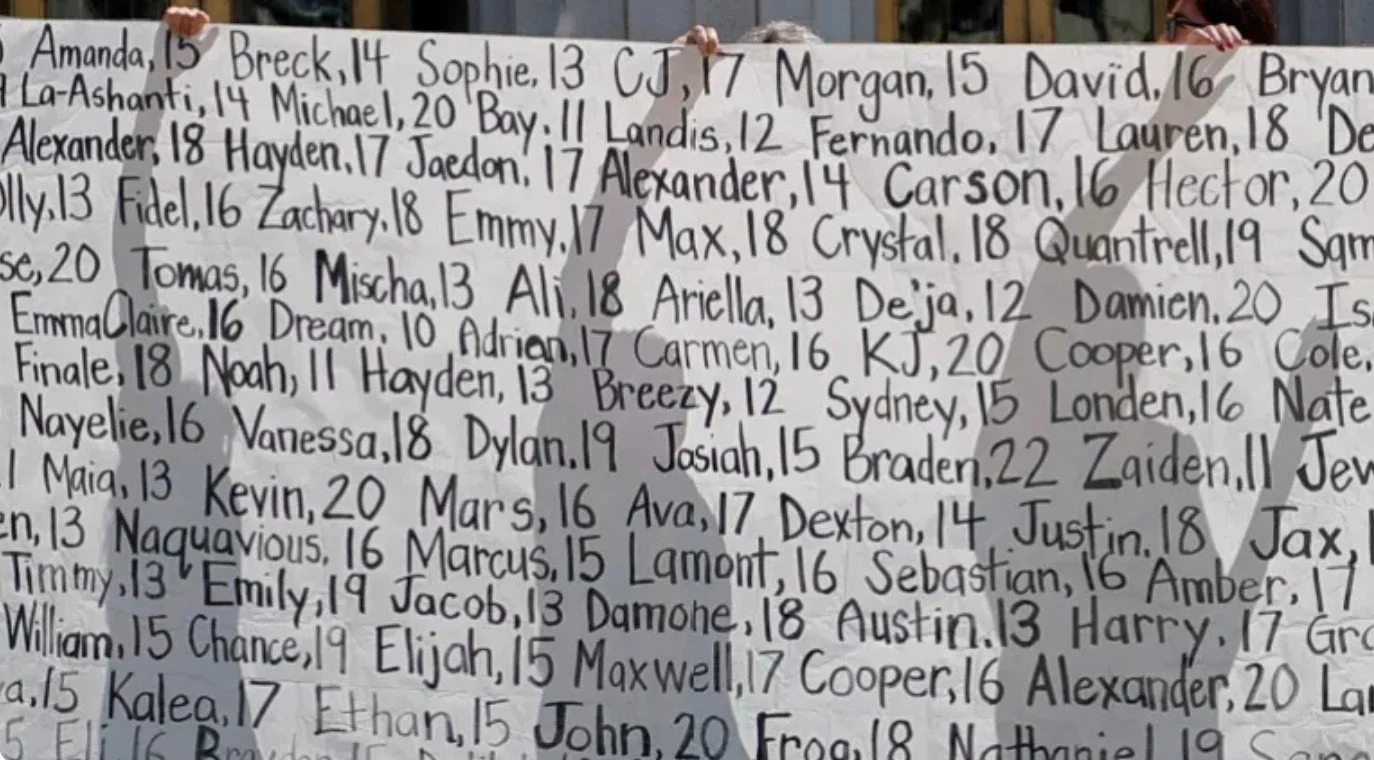
At the heart of this case is how kids are affected by social media, and storytelling was key. Families brought photos and a large banner with names and ages of children who died, blaming social media companies. Plaintiff attorneys also showed a large poster with hundreds of selfies KGM posted of her when she was a child.
These strategies humanized the plaintiff and contrasted Mark Zuckerberg’s stoicism. As NPR reported:
At one point, the family's lawyer brought out an internal document about how Meta's staff has pushed Zuckerberg to be more empathic and relatable and more human in public appearances and, you know, not to be fake and corporate and cheesy—these are their words—you know, during events like court appearance. And Zuckerberg responded by, you know, showing some human vulnerability. He said, quote, "I think I'm actually well known to be very bad at this."
Concrete Visualization
In legal terms, “demonstrative evidence” or a “demonstrative exhibit” “explains or illustrates” testimony; it’s not direct evidence. In persuasion communication, we might call this type of evidence examples rather than, for example, data. We also encourage students to make large numbers concrete.
Lanier illustrated these strategies:
As the punitive-damages phase of the trial got under way in court on Wednesday, the plaintiff’s attorney, Lanier, revealed a jar of M&Ms—415 of them. Each one represented $1 billion of the $415 billion in total stockholders’ equity of Alphabet Inc., he said. As he removed M&Ms one by one, Lanier noted how the jar barely registered a change, symbolizing how inconsequential even a ruling of $1 billion in damages would be to a company of Alphabet’s value.
This type of illustration gets attention and does clarify points but might seem cheesy in business presentations.
Discovery
Once again, this is a good opportunity to talk with students about the legal discovery process, which makes any internal emails, texts, reports, Teams content, etc. public. Perhaps the plaintiff’s strongest evidence was Meta’s own documentation that demonstrated how leaders exploited—actually, built—platform features to increase addiction.
Instead of a lesson warning students about what they put in writing, we might teach them to act with integrity. If social media executives hadn’t build systems that are now proven to be addictive, they wouldn’t have had to censor what they put in writing.
Both Meta and Google are appealing the case. They will not accept responsibility. Together, the companies will pay $6 million in compensatory and punitive damages. That’s .6% of one M&M. How could students visualize that?

Problems with a Stacked Wealth Chart
Students might find better ways to display data than this stacked chart showing U.S. wealth distribution over time.
The chart in the WSJ article, “Billionaires’ Low Taxes Are Becoming a Problem for the Economy,” shows that wealth has grown tremendously over time and that those with the most wealth have accumulated far more over time. But the comparisons are hard to see with the stacked area chart. We’re missing percentages of wealth. Because the point is “distribution,” we want to know the share of each group. We don’t know by looking at this chart.
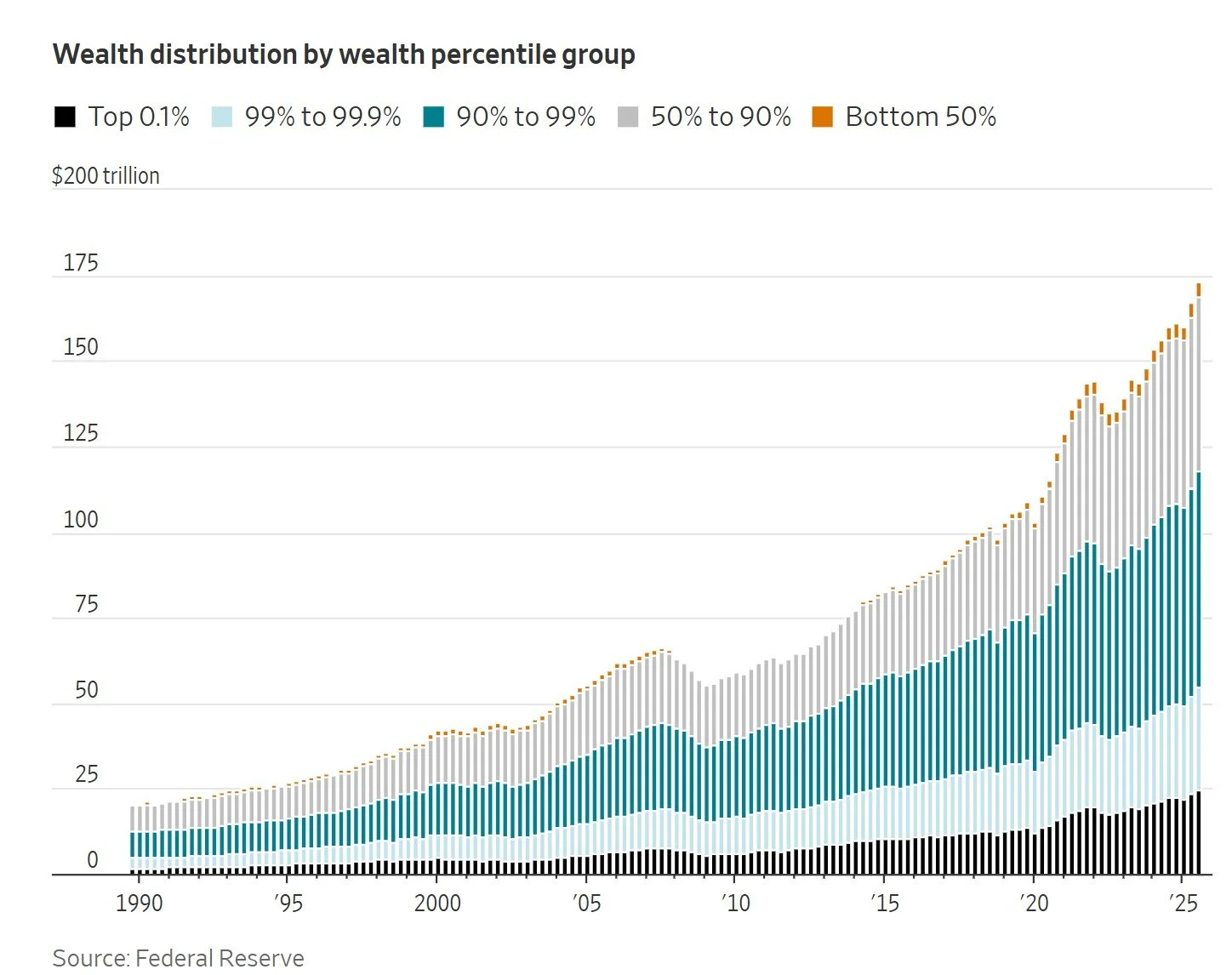
The WSJ chart emphasizes numbers (not just relational data) over time, both in the interactive mouseovers of specific data points (which show dollar amounts) and in the tiny vertical columns, which makes the chart both more precise and uglier.
Compare that version to the original, a Federal Reserve chart. Also a stacked area chart (click to enlarge), but this one uses solid colors to reflect distribution and places the lowest 50% at the bottom, where, intuitively, we might expect them to be. That bottom placement also shows at least some wealth of that group (instead of the mere orange specks at the top of the WSJ’s chart).
The default of the Fed chart is “units” (top left), but a toggle shows shares for percentages. The mouseover is more useful, showing a summary of percentage (or dollar amounts on the default chart) at any point. However, visually, the differences don’t look as dramatic as they are because the growth in dollar amount is so much higher than the percentages. We don’t see the writer’s point:
The bottom half of American households have lost ground. Their 2.5% cut of the country’s wealth has slipped from 3.5% in 1990.
Curiously, this note at the bottom of the WSJ article shows how people conflate percentages and numbers:
Corrections & Amplifications
An earlier version of the chart “Wealth distribution by wealth percentile group” incorrectly had a percentage sign instead of a dollar sign on the y-axis. (Corrected on Feb. 19.)
Another point may be worth mentioning with students. We’re talking about inequality, so numbers of households—people—might be included somewhere.
From the Fed’s data file, I asked ChatGPT to create an indexed line chart. This sets all group values in 1990 at 100 for an equal starting point—a way to show comparative growth over time. The chart labeling doesn’t follow business communication principles, but now we see what has happened since 1990. This chart far more clearly illustrates a main point of the WSJ article:
Only the richest 1% of households have grown their share of overall U.S. wealth since 1990.

Tom Pritzker Resigns After Epstein Discovery

The list of executives resigning or losing positions after more Jeffrey Epstein files become public is growing. Students can read emails related to the latest: Tom Pritzer, Hyatt’s executive chairman.
Pritzer’s resignation letter to the board includes the following:
My job and responsibility is to provide good stewardship. That is important to me. Good stewardship includes ensuring a proper transition at Hyatt. Following discussions with my fellow Board members, I have decided, after serving as Executive Chairman since 2004, and with the company in a strong position, that now is the right time for me to retire from Hyatt.
Good stewardship also means protecting Hyatt, particularly in the context of my association with Jeffrey Epstein and Ghislaine Maxwell which I deeply regret.
I exercised terrible judgment in maintaining contact with them, and there is no excuse for failing to distance myself sooner.
I condemn the actions and the harm caused by Epstein and Maxwell, and I feel deep sorrow for the pain they inflicted on their victims.
The first line is performative and was omitted from most news reports. As an issue of integrity, good stewardship requires good behavior while serving in a role, not just when resigning.
Students might read the first and second lines as a push from the board rather than a true resignation. Either way, it explains what students often wonder about executive resignations for personal improprieties: they affect the company. At the same time, Pritzker’s were related to Hyatt business, with emails showing him facilitating travel and arranging an interview for “the girl from Romania.”
The second bullet illustrates classic crisis communication strategies of distancing and downplaying, as though “contact” were his only crime. We see a similar theme in all statements related to Epstein—little true accountability.
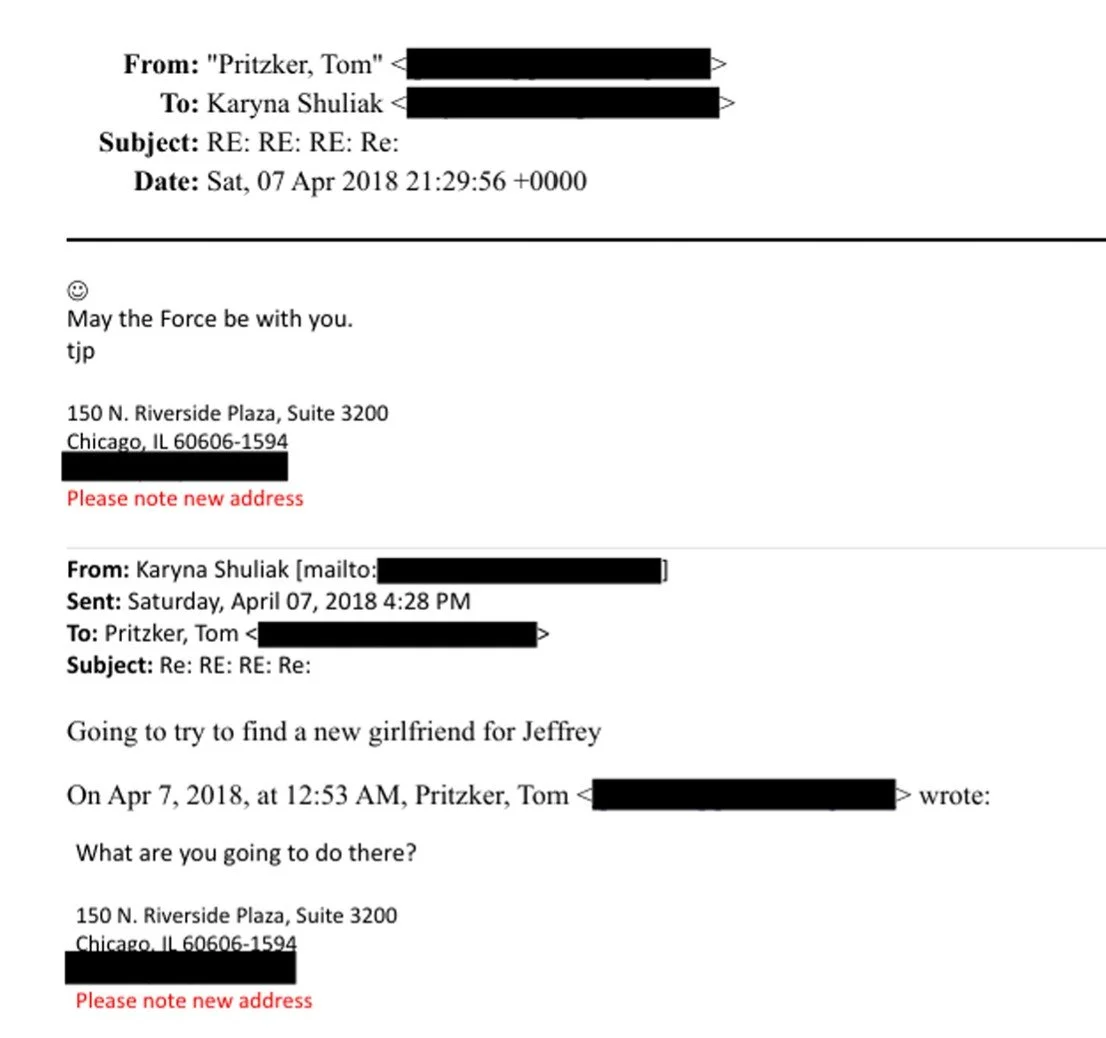
The third bullet reflects a false show of sympathy few would believe after reading emails like these, which were sent ten years after Epstein plead guilty for sex crimes in Florida and as accusations piled up throughout the next decade.
Students might discuss the best approach for these leaders. Another strategy is Lee Wexler’s. The billionaire and former CEO of Victoria's Secret said he “was duped by a world-class con man,” a tough claim to support.
Maybe this is one of those rare times when it’s better to say nothing at all.
The New York Times is tracking resignations and other fallout from the Epstein files.

Hilton’s Crisis Communications
Hilton Hotels is facing reputational damage related to U.S. Immigration and Customs Enforcement (ICE) actions in Minneapolis.
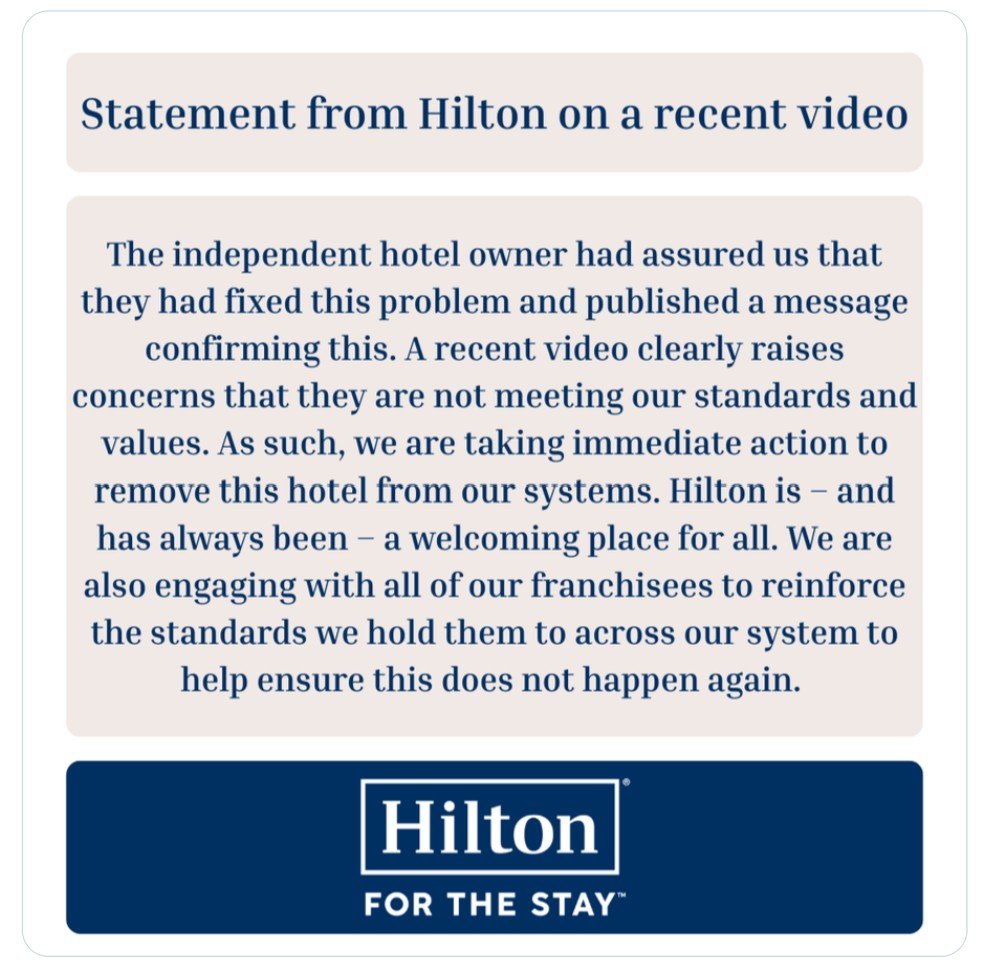
The controversy started when the Hampton Inn in Lakeville, MN, refused Department of Homeland Security reservations, telling agents, "We are not allowing any ICE or immigrant agents to stay at our property.” Students might identify this action as an example of character, particularly courage—taking action despite risks. But Hilton, the parent company, did not appreciate the move, posting this statement on X.
Students may analyze this message as classic crisis communication strategies, particularly distancing the parent company from the actor. They also might point to the jargon about “meeting our standards and values,” and maybe, “a welcoming place for all.” Everpeak Hospitality, the Hampton management company, supported Hilton’s view with a statement of its own: “We do not discriminate against any individuals or agencies and apologize to those impacted.” That’s the policy issue both companies rely on, an example of criteria reasoning: we have a standard in place.
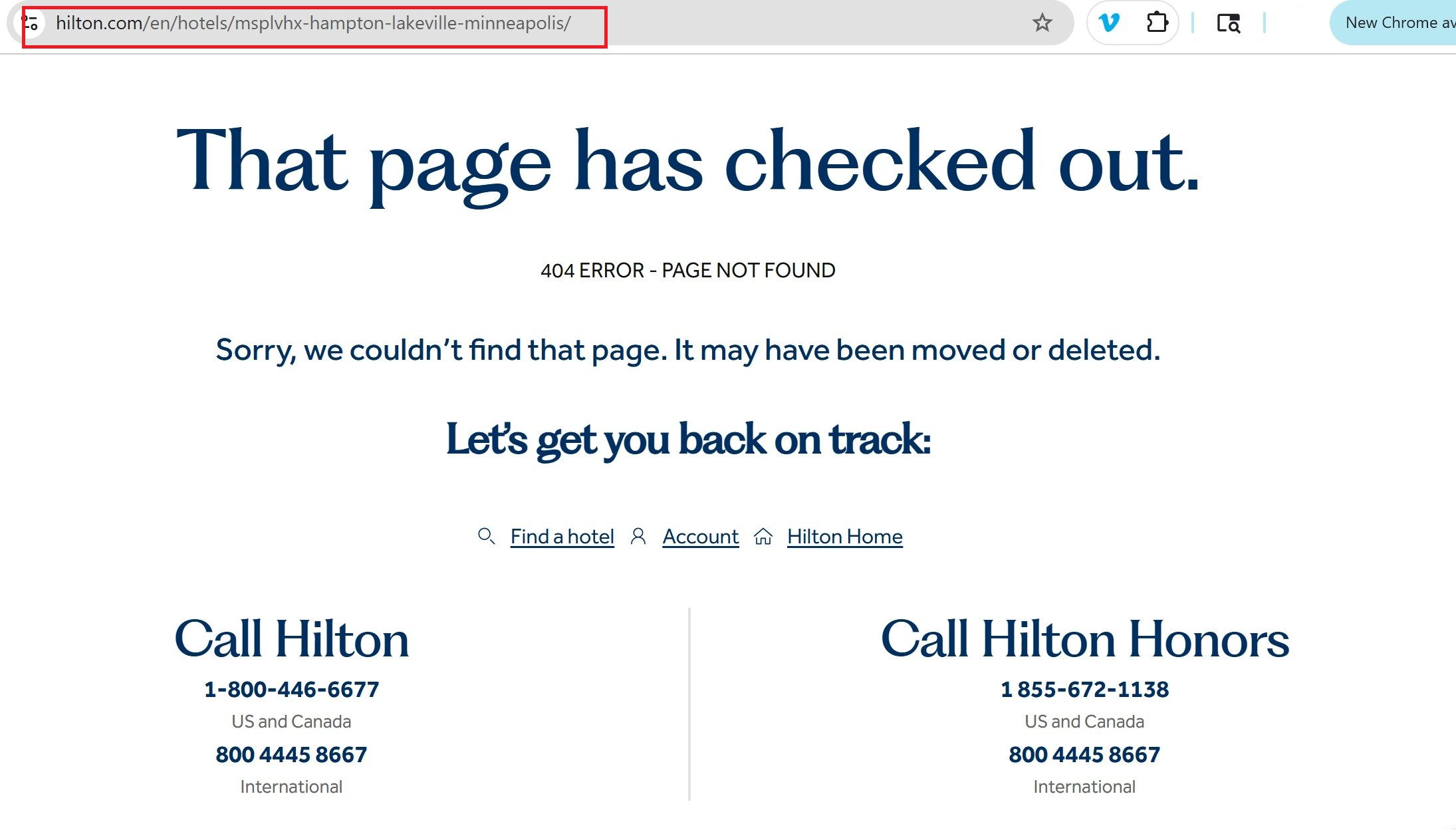
Hilton did follow through on the threat and removed the hotel from its portfolio. We see the former URL, but the empty page is clear.
Despite Hilton’s attempts to distance the brand, the company is implicated along with other Hampton hotels. Some criticize Hilton for not engaging in the “courageous conversations” promised after the killing of George Floyd. Students might read about that initiative and discuss whether current actions are inconsistent (another issue of integrity).
This week, after seeing ICE agents at the NYC Hilton Garden Inn, protestors crowded the lobby, resulting in dozens of arrests.
Although Hilton is most actively in the news, an organizing effort might affect other brands. “No sleep for ICE” may extend protests to other hotels, which the American Hotel & Lodging Association anticipates with this statement:
The hotel industry is closely monitoring the situation in Minneapolis and remains hopeful that tensions will de-escalate. As places of public accommodation, hotels play unique role in their communities and are focused on the safety and well-being of their employees, guests, and the broader public. Hoteliers are committed to navigating this sensitive and evolving situation with care, professionalism, and respect for the communities in which they operate.
The association tries to balance conflicting values and priorities. Yes, hotels are public spaces, yet they care about the “safety and well-being” of the “broader public.” This moment seems to demand both and yet both may be difficult to achieve. Students might discuss how a hotel owner—of an independent brand and one part of a group—can navigate these times. It isn’t easy.

Ye’s Apology
Once again, let’s talk with students about a sincere apology. Ye’s doesn’t cut it.
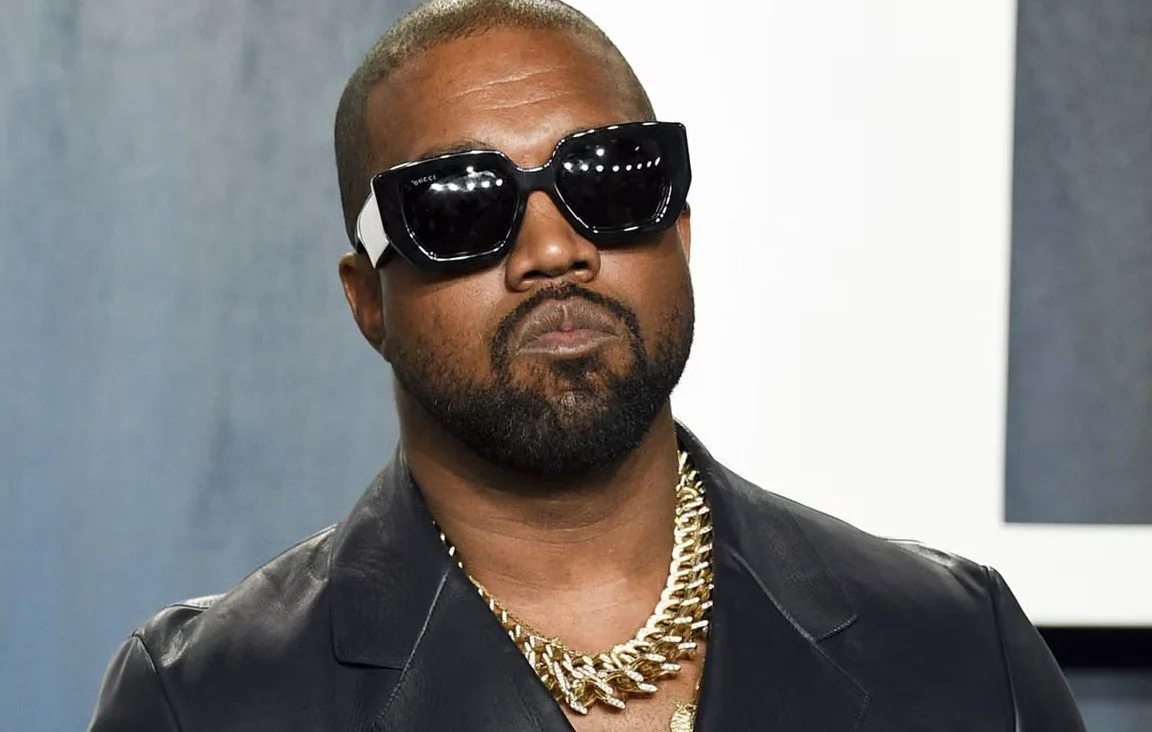
Students might remember that rapper Ye (Kanye West) sold clothing with swastikas, released the song "Heil Hitler,” and went on a few antisemitic rants, causing Adidas and Gap to cancel their partnerships. Students also might remember his apology back in 2023 before he released a new album (after which he wrote on X, about “my new sound called antisemitic”).
This week, he took out a full-page Wall Street Journal ad to apologize—again, before releasing a new album. Criteria for sincere apologies are explained in chapter 7 of Business Communication and Character. In addition to the promotional timing, students might point out how long his antisemitic actions lasted, despite his crisis communication attempts to contain them.
Ye blames a brain injury and mania for his actions. But of course, not all people who have bipolar disorder write Nazi songs and sell Nazi t-shirts. This is an example of his not taking responsibility—not apologizing at all—and possibly causing harm by stigmatizing others.
By far, the most questionable line is, “I love Jewish people.” He doesn’t say it, but we know what follows: “Some of my best friends are Jewish.”
A spokesperson for the Anti-Defamation League put it well:
[The apology] doesn’t automatically undo his long history of antisemitism and all of the feelings of hurt and betrayal it caused. The truest apology would be for him to not engage in antisemitic behavior in the future.
Yes, changed behavior is one criterion of a sincere apology. We’ll see.

Minneapolis CEO Letter About ICE
Several CEOs signed a letter distributed through the Minnesota Chamber of Commerce about U.S. Immigration and Customs Enforcement (ICE). Students can analyze it in terms of character and persuasive strategy. For me, the letter is light, late, and self-serving.
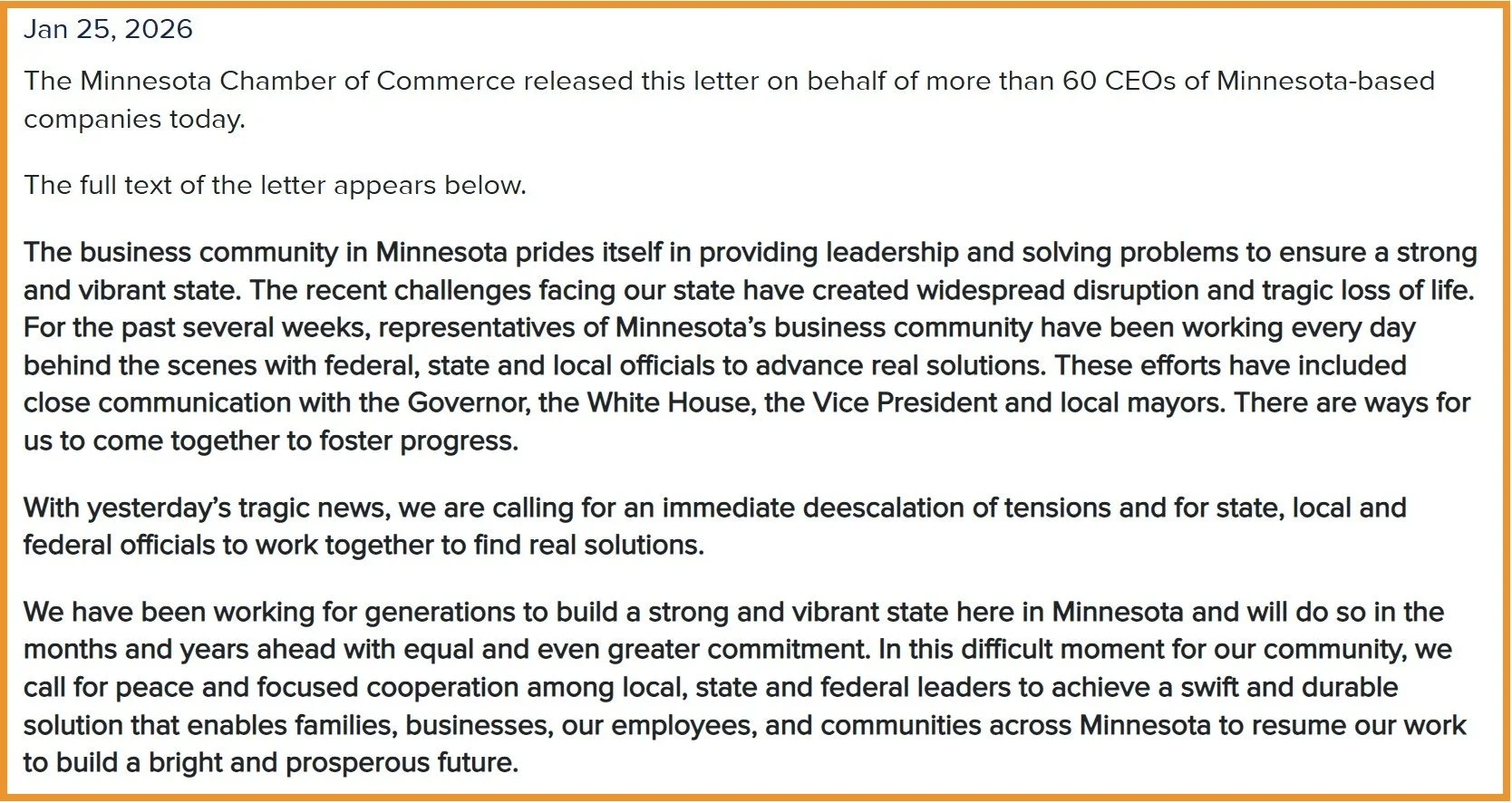
Here are a few notes—and students will have their own opinions:
Positives
Leaders did something. We heard very little until recently, which may be understandable. The public seems divided on whether CEOs should speak out against Trump. CEOs said a lot after George Floyd was killed, which was expected at the time. They made some statements at the beginning of the Israeli-Hamas war and faced backlash; nothing seemed right. So now they’re shy about jumping back in. But local CEOs have particular responsibilities and interests.
More than 60 CEOs signed on. We see big companies and big names on the list—Best Buy, Target, 3M, General Mills, and others.
Negatives/Skepticism
The letter says little. The CEOs request no specific action; they call for “an immediate deescalation of tensions and for state, local and federal officials to work together to find real solutions,” “peace and focused cooperation,” and “a swift and durable solution.” What? How? Should people stop protesting? It’s an open letter with no defined audience. What’s the call to action?
The language is vague and mealy mouthed. References to “recent challenges” to “yesterday’s tragic news” are weak and insulting. We might call on the CEOs to “say his name”: Alex Pretti. With no mention of ICE at all, the letter might be from a different time and place.
It’s late. Published on January 25, the letter missed intense activity since early December and the killing of Renee Good.
The focus is on leaders themselves. Most of the letter says what the leaders have done, are doing, and will continue to do. See below for the underlined parts (more than 5 of the 8 sentences).
It’s virtue signalling. At some point, the numbers tipped, and it became imperative to sign. At that point, leaders signed to conform rather than to demonstrate courage. In fact, NOT signing might have been more courageous.
The purpose is self-serving. In addition to virtue signalling, the last line shows the CEOs’ real purpose—to get back to work.
Students could do better. Perhaps they could rewrite the letter for these CEOs.
[Underlined parts are about leaders themselves and their own interests.]
The business community in Minnesota prides itself in providing leadership and solving problems to ensure a strong and vibrant state. The recent challenges facing our state have created widespread disruption and tragic loss of life. For the past several weeks, representatives of Minnesota’s business community have been working every day behind the scenes with federal, state and local officials to advance real solutions. These efforts have included close communication with the Governor, the White House, the Vice President and local mayors. There are ways for us to come together to foster progress.
With yesterday’s tragic news, we are calling for an immediate deescalation of tensions and for state, local and federal officials to work together to find real solutions.
We have been working for generations to build a strong and vibrant state here in Minnesota and will do so in the months and years ahead with equal and even greater commitment. In this difficult moment for our community, we call for peace and focused cooperation among local, state and federal leaders to achieve a swift and durable solution that enables families, businesses, our employees, and communities across Minnesota to resume our work to build a bright and prosperous future.

“Abolish ICE” as a Communication Strategy
“Abolish ICE” (U.S. Immigration and Customs Enforcement) is a useful case study in communication strategy and framing. Will the slogan get the results people want?
Regardless of students’ personal views on immigration officers’ actions in Minneapolis, including the shootings of Renee Good and Alex Pretti, the slogan may be “emotionally satisfying [but] politically lethal.” The language is reminiscent of abolishing slavery, but the situation is quite different.

In business communication, we teach the value of framing for persuasion, but here are a few issues students might discuss:
Abolishment/elimination may not be what people want; they may want reform instead. A similar approach, the “defund the police” slogan after the murder of George Floyd, may have divided constituencies.
The extreme language prevents more moderate communication approaches and goals, for example, restructuring, supplementing, or limiting.
The result may not be practical. Students might research “zero tolerance” language in the workplace.
The frame doesn’t offer a positive solution; it’s loss-based proposal.
The slogan begs the question, and then what? Students might research the “Occupy Wall Street” movement, also criticized for having no clear policy-related goal.
George Lakoff’s work could provide theoretical grounding for this discussion.
Students might identify and research other slogans—for products, social causes, or sports—that gained attention but backfired or showed little result. They’re too young to remember Nancy Reagan’s “Just say no” campaign, but it’s another good example.
In this case, what could work better? Maybe students will have ideas for something that conveys an inspiring, moral imperative, but is more policy focused and doesn’t alienate people who don’t share the extreme position.
Image source.