
Hilton’s Crisis Communications
Hilton Hotels is facing reputational damage related to U.S. Immigration and Customs Enforcement (ICE) actions in Minneapolis.
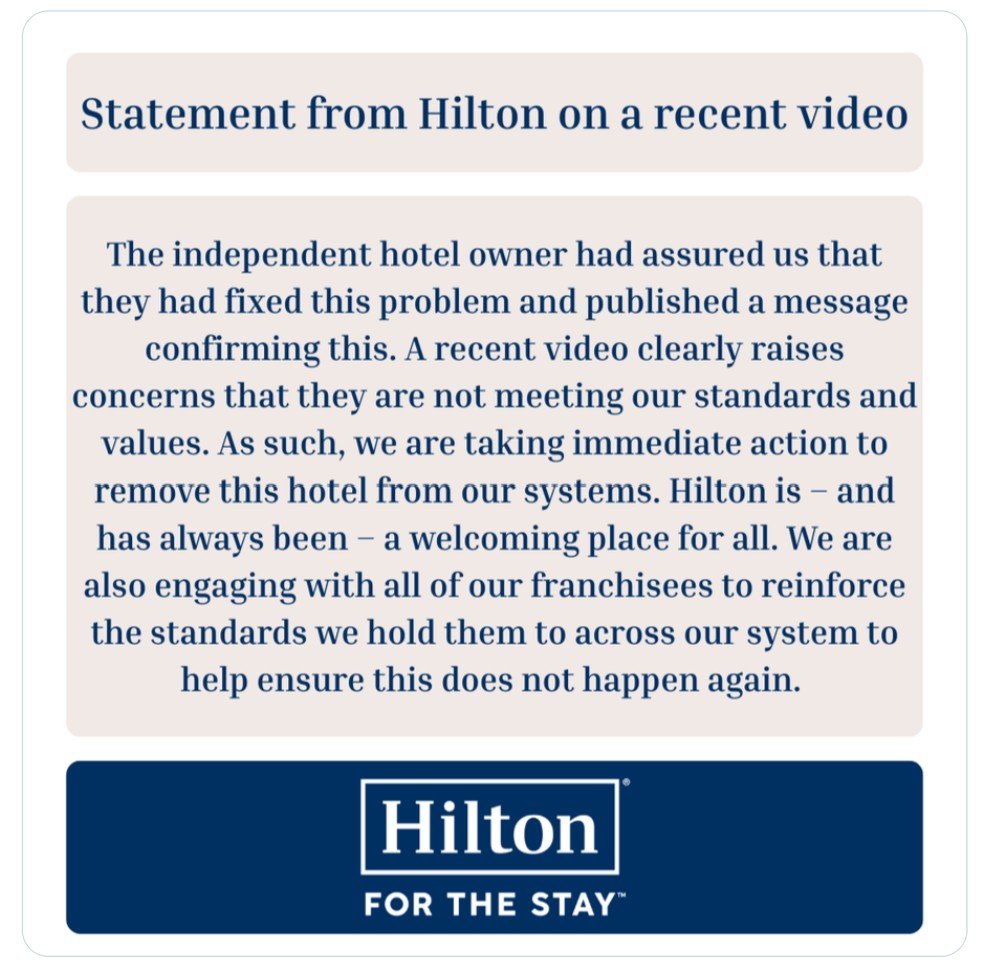
The controversy started when the Hampton Inn in Lakeville, MN, refused Department of Homeland Security reservations, telling agents, "We are not allowing any ICE or immigrant agents to stay at our property.” Students might identify this action as an example of character, particularly courage—taking action despite risks. But Hilton, the parent company, did not appreciate the move, posting this statement on X.
Students may analyze this message as classic crisis communication strategies, particularly distancing the parent company from the actor. They also might point to the jargon about “meeting our standards and values,” and maybe, “a welcoming place for all.” Everpeak Hospitality, the Hampton management company, supported Hilton’s view with a statement of its own: “We do not discriminate against any individuals or agencies and apologize to those impacted.” That’s the policy issue both companies rely on, an example of criteria reasoning: we have a standard in place.
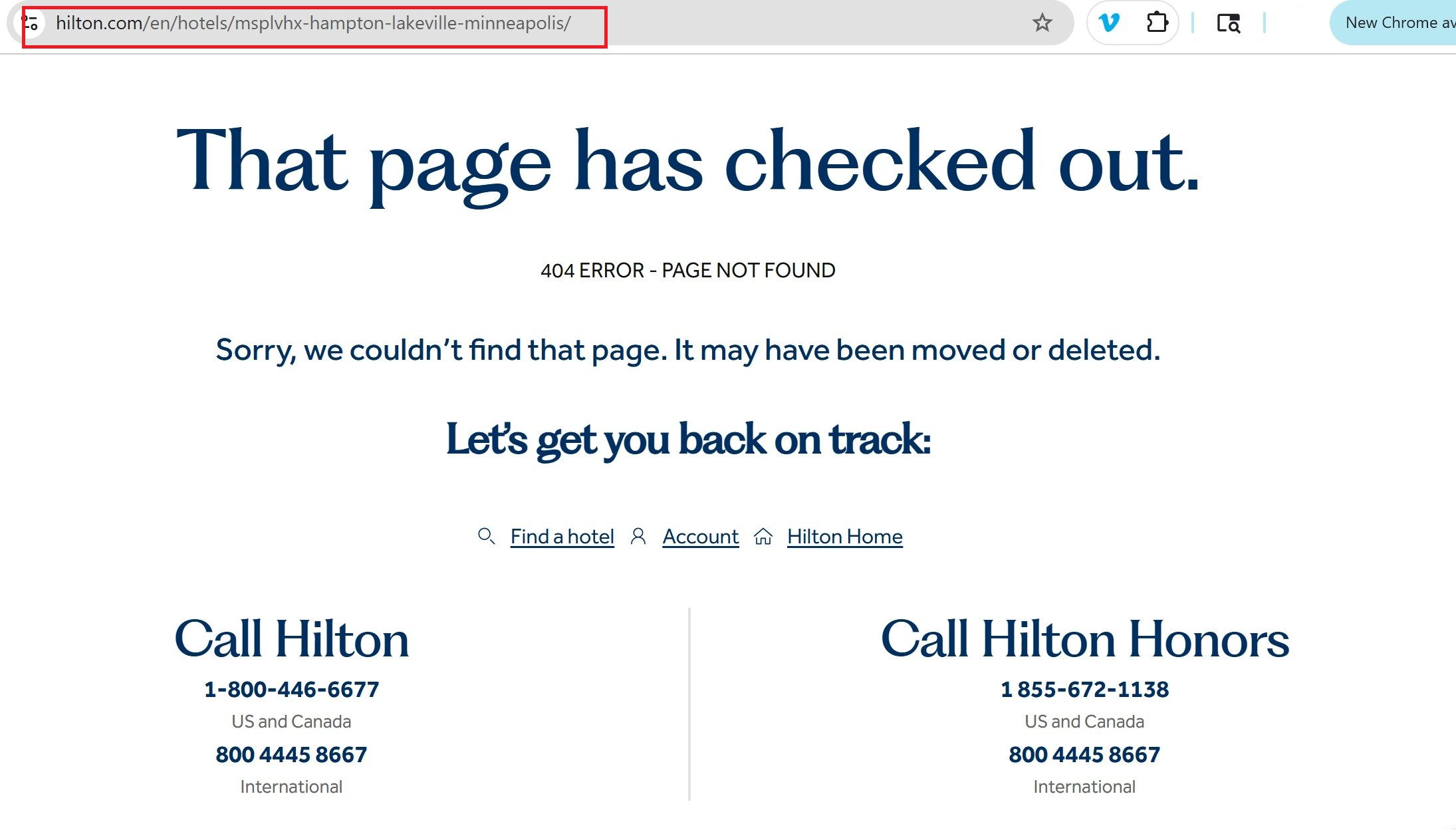
Hilton did follow through on the threat and removed the hotel from its portfolio. We see the former URL, but the empty page is clear.
Despite Hilton’s attempts to distance the brand, the company is implicated along with other Hampton hotels. Some criticize Hilton for not engaging in the “courageous conversations” promised after the killing of George Floyd. Students might read about that initiative and discuss whether current actions are inconsistent (another issue of integrity).
This week, after seeing ICE agents at the NYC Hilton Garden Inn, protestors crowded the lobby, resulting in dozens of arrests.
Although Hilton is most actively in the news, an organizing effort might affect other brands. “No sleep for ICE” may extend protests to other hotels, which the American Hotel & Lodging Association anticipates with this statement:
The hotel industry is closely monitoring the situation in Minneapolis and remains hopeful that tensions will de-escalate. As places of public accommodation, hotels play unique role in their communities and are focused on the safety and well-being of their employees, guests, and the broader public. Hoteliers are committed to navigating this sensitive and evolving situation with care, professionalism, and respect for the communities in which they operate.
The association tries to balance conflicting values and priorities. Yes, hotels are public spaces, yet they care about the “safety and well-being” of the “broader public.” This moment seems to demand both and yet both may be difficult to achieve. Students might discuss how a hotel owner—of an independent brand and one part of a group—can navigate these times. It isn’t easy.