
New Dietary Guidelines Website
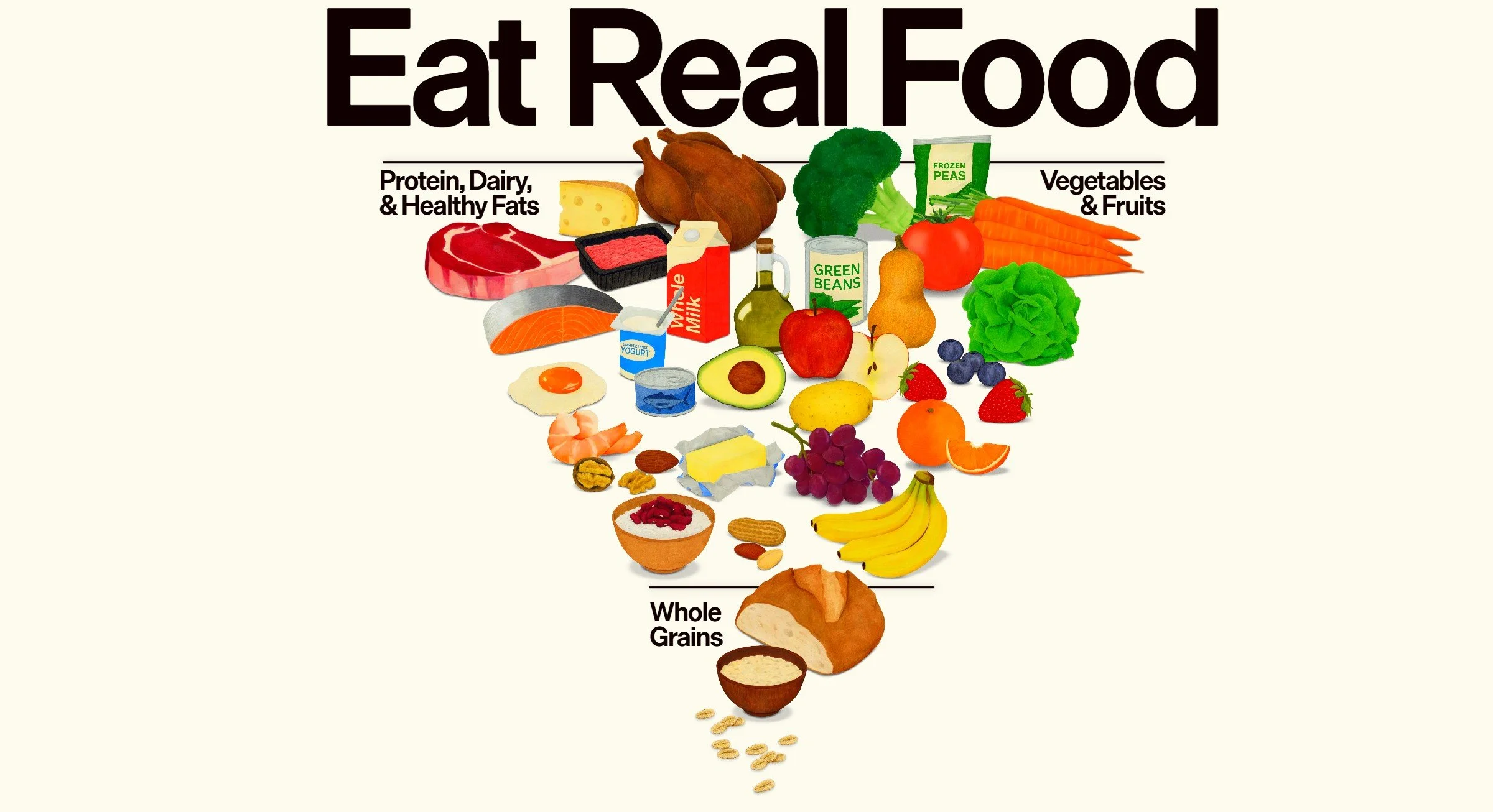
The new U.S. dietary guidelines are represented visually on a website, realfood.gov. Students can analyze the content and graphics for the primary audience of Americans.
Here are a few points students might identify:
Clear, simple language appropriate for the audience. “Real Food” is a consistent message, and the summary works well upfront:
Better health begins on your plate—not in your medicine cabinet.
The new Dietary Guidelines for Americans defines real food as whole, nutrient-dense, and naturally occurring, placing them back at the center of our diets.
Colorful, but navigation doesn’t work well. Lots of graphics engage the user, but some of the graphics don’t work quite right, at least on my screen. Numbers in red boxes increases with each click without new corresponding text. The static text, “America is sick. The data is clear,” shows for several increasing percentages, so the data isn’t clear. When I tried the mouse instead of keystrokes, I got a blank red screen.
Consistent messages. Language reinforces the connection between diet and health throughout:
90% of U.S. healthcare spending goes to treating chronic disease—much of which is linked to diet and lifestyle.
Debatable evidence. WIthout sources, the user can’t research claims further. Above is a good example we might want to explore, particularly what “much” means in this context. Also, the “links” are quite complex and vary by person.
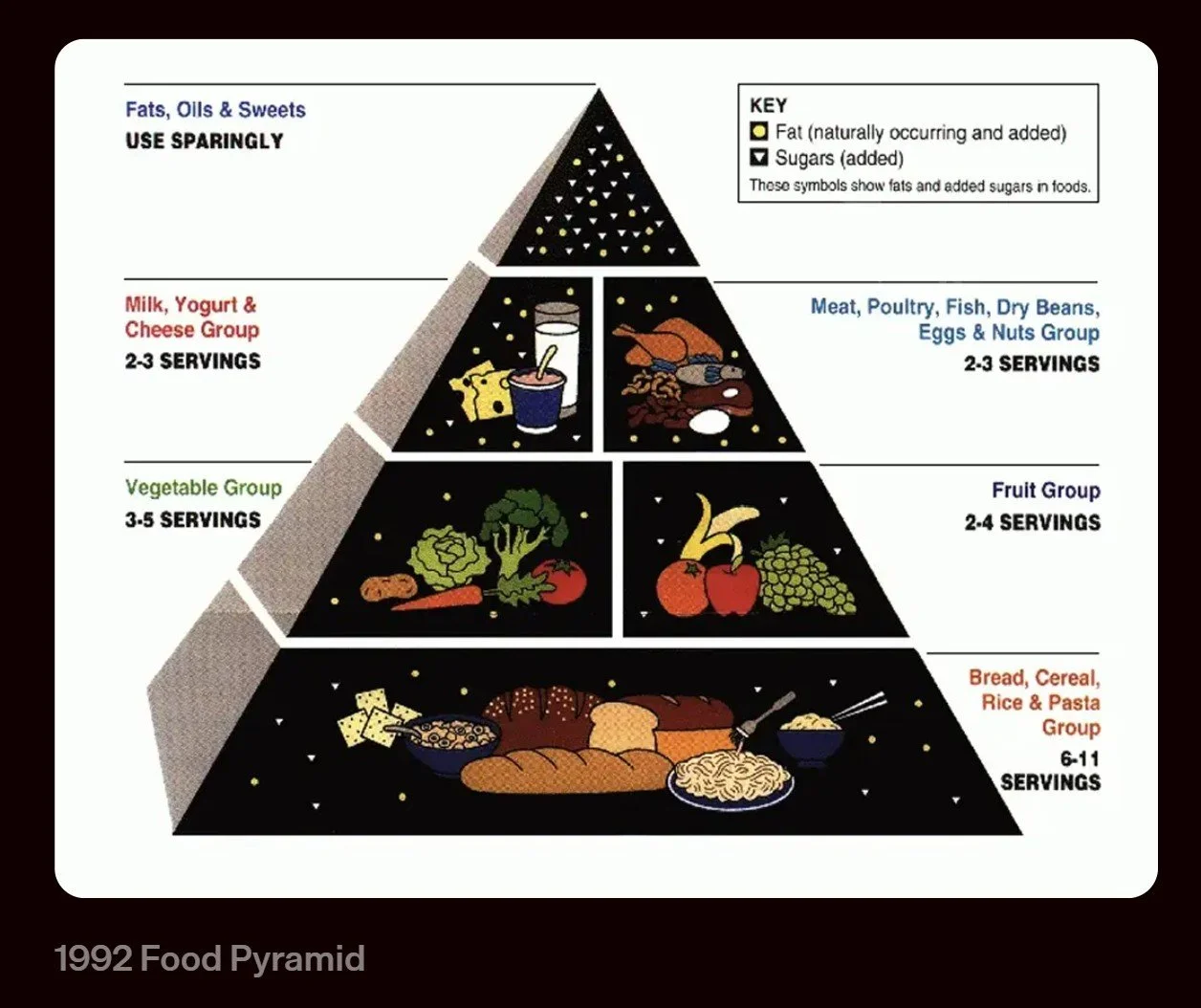
Misleading history. The site includes a food pyramid from 1992, shown here, which has been updated. Also, the associated text doesn’t match the situation then or now:
For decades we've been misled by guidance that prioritized highly processed food, and are now facing rates of unprecedented chronic disease.
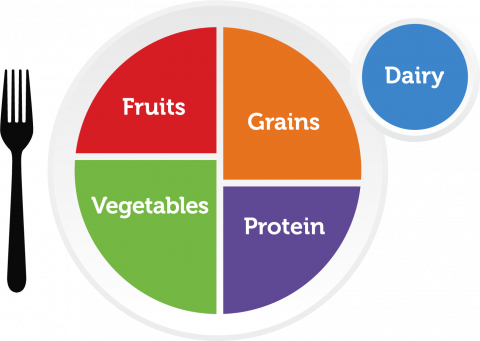
Nowhere do the 1992 guidelines or any since, including the simplest and most recent, MyPlate, recommend processed foods.
Simplistic FAQs. Expanded boxes at the bottom of the site include silly questions and answers, for example:
What about hydration?
Hydration matters. Choose water or unsweetened beverages to accompany meals and snacks.
Few disagree with the push for real food and fewer preservatives. But critics question the emphasis on animal protein—the environmental impacts and the dangers of over-consuming saturated fat and sodium. In addition, the “inverted pyramid,” with its clipart food images, doesn’t offer guidance for limiting quantity or balancing of food choices, which MyPlate tried to address. Finally, the high cost of food makes the recommendations for some families difficult or impossible to follow.