
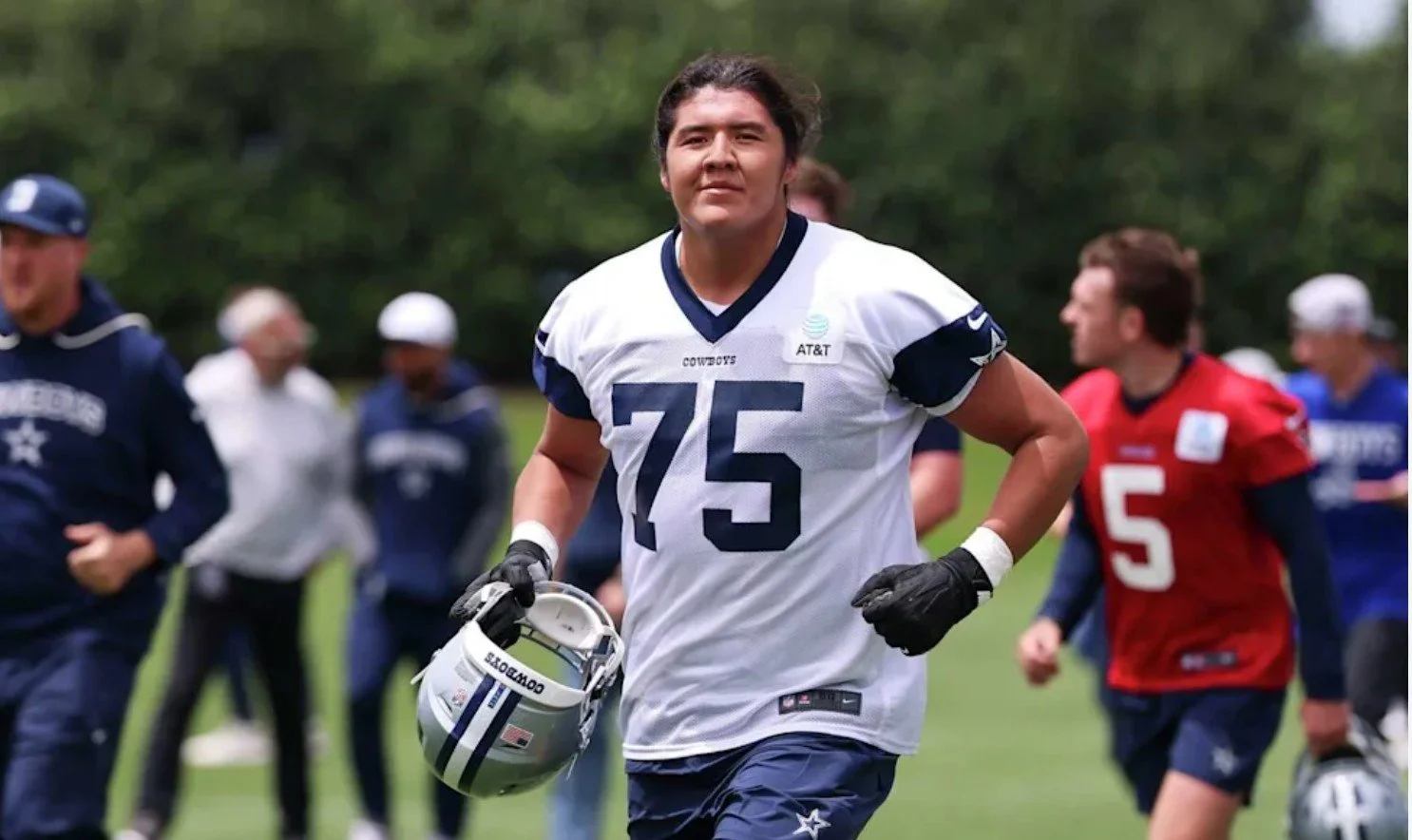
NFL Player’s 59-Word Speech
Shiyazh Pete didn’t make the Dallas Cowboys’ cut, but his short speech (below) has gotten attention. Students can analyze his word and delivery choices and identify examples of humility.
In a PBS News Hour interview, Pete talks about his locker-room speech. He demonstrates humility, expressing gratitude for the Cowboys giving him the platform to speak. He said he planned his own speech but admits that the speech structure was inspired:
And those words that I mentioned, they were my own, but I will say they—the speech, the structure of it was heavily inspired from a video game series "Halo 2."
So there was some inspiration to it, and I'm not going to say it was, like, all me, but I got it from a really cool video game I used to play as a kid.
Pete speaks of shared values and belonging. This admission about Halo 2 is also an act of humility. Students can compare the game music to Pete’s speech; they might conclude that Pete’s interpretation is loose, which makes his admission less of a confession and more of an acknowledgment.
Pete’s interview is worth watching for other examples of humility. He speaks about youth, fans, and his community as well as the responsibility he feels as the first member of the Navajo Nation to sign an NFL contract.
Representing his community certainly factors into why his speech went viral. If the same speech were given by someone else, would it have had the same impact? Would he have been given an opportunity to address his teammates in the locker room at all? If it were a different time in history, would talk of differences and becoming “brothers” have landed the same way? Would he have gotten the same attention if he had made the team? Students might conclude that the speech itself isn’t brilliant but that the speaker and circumstances are extraordinary.
Here’s his full speech:
Well, that was an incredible win. I am very fortunate to be amongst you and to play in the same field with the same star holding on our chest, and I'm proud of us, proud of how far we've come. This game, fate, brought us here as strangers, but this game, this star, this team will make us brothers.
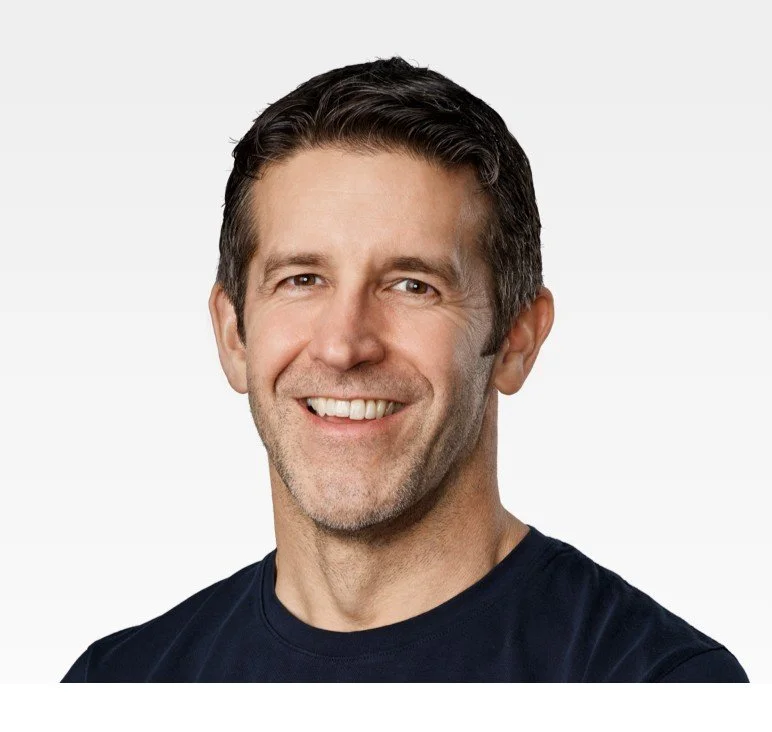
New Apple CEO’s One-Word X Post
Apple CEO John Ternus wrote, “Hello,” as his first social media post, apparently reinforcing his “wicked calm” presence.
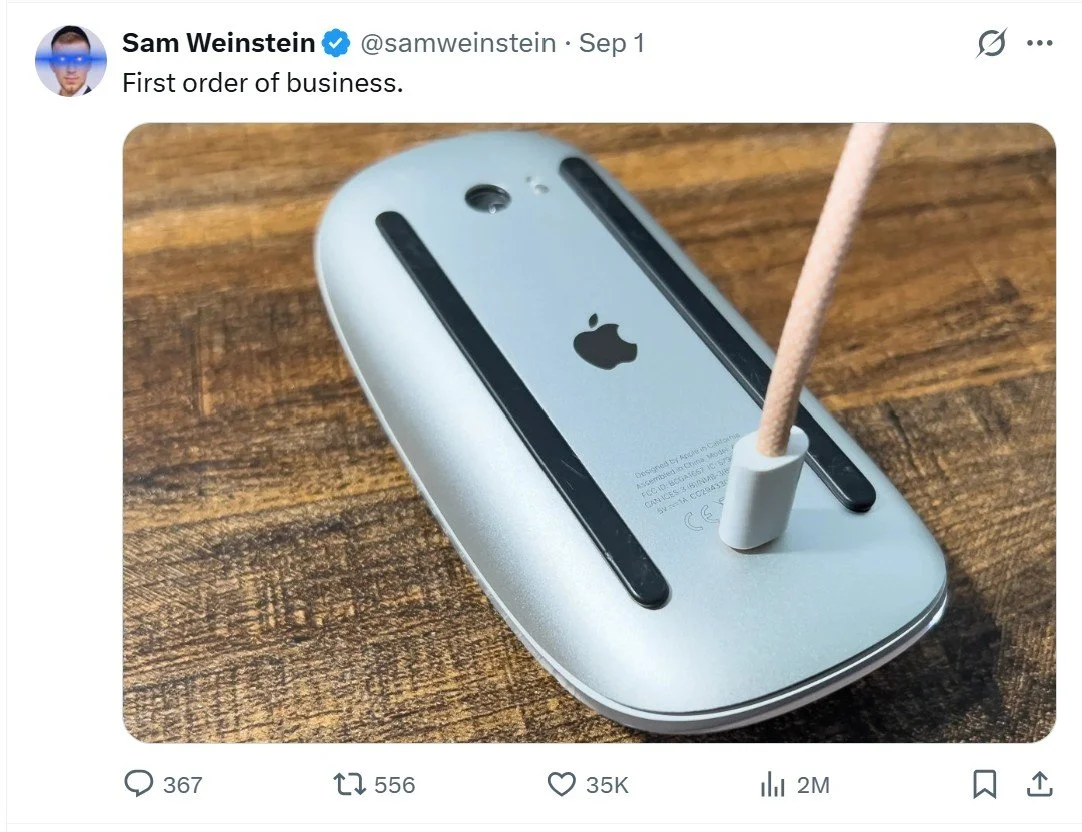
How many of us can post one word on X and gain almost one million followers? That’s all it took for Ternus on X, which the Financial Times calls “his first public statement as CEO.” Of the replies to Ternus’s post, Elon Musk’s “Congrats!” ranks most popular, with Smith & Wesson’s request for Ternus to “Bring back the gun emoji” second and criticism of the Apple mouse’s misplaced charging port third. Everyone seems to want a piece of the conversation.
Anticipation of Ternus’s first on-stage presentation on Wednesday and speculation about his personality are intense:
Weeks [Corning CEO] describes Ternus as a humble “good guy” but adds that his hobby of racing cars might give an insight into another side of his character. “There are not many non-passionate people that drive race cars . . . but at the same time, you have to be wicked calm and really dedicated to excellence if you’re good at it. And John is good at it.”
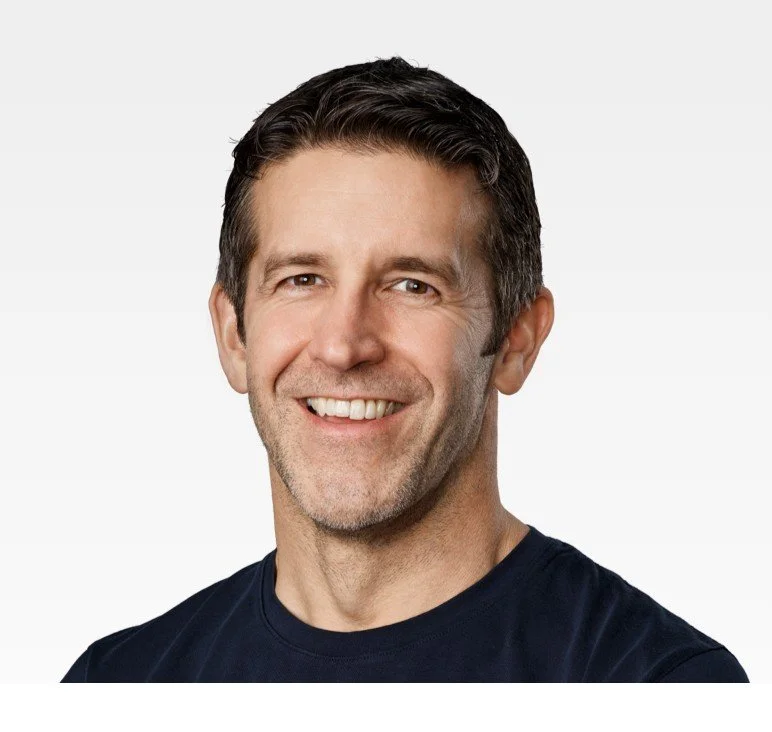
As expected, Apple’s new leader page is straight-up corporate, focused on Ternus’s history and accomplishments. It reveals nothing about his personal life or character, but the page does show him wearing Steve Jobs’s signature black t-shirt (which the SVP of Services and Health also dons). Students might discuss this decision: an echo, a remake, a sign of respect, or just a comfortable tee?
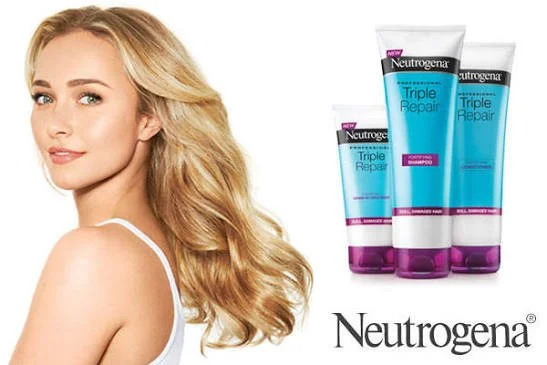
Neutrogena Says Little About Panettiere’s Death

Actress Hayden Panettiere’s death reignited criticism of Neutrogena’s contract termination a decade ago, which surfaced earlier this year. The company responded minimally and may need to do more to quell the backlash.
Before the 36-year-old’s death, Panettiere said in interviews that Neutrogena “fired” her back in 2015-2016 after she spoke about her postpartum depression. She said the company pointed to a “morals clause” after the ten-year relationship. Since her death, fans are calling for a boycott, which analysts say may hurt in the short term but rarely has lasting negative results on sales.
When she made the claims, Neutrogena said nothing; now leaders saying little. An Instagram post reflects a minimal, clichéd crisis communication response: say you’re sad, acknowledge that you didn’t support her (the best part), and say it’s not who you are or what you stand for. Neutrogena also promises to invest in women’s health through a partner to be announced later and says it didn’t respond earlier “out of respect,” which feels dishonest.
The carousel message on Instagram is an odd choice. The additional two screens are easy to miss, and Neutrogena’s “on-brand” font seems out of place. As Rolling Stone reports, the company “stops short of apologizing,” and comments are turned off, as though users wouldn’t comment elsewhere.
Students may discuss what else Neutrogena should have done and can still do. They also may discuss the company’s responsibility. Some may believe the company is being unfairly scapegoated for a decision made a decade ago.
We also don’t know the whole story of the contract termination. We know Panettiere connected the decision to her speaking openly about her depression, but maybe Neutrogena had other reasons. Certainly the company shouldn’t argue the point now; nothing leaders could say would sway fans in their favor.
What might be best is to rise above the noise and focus on the tragic death of a talented, young mother. She tried to raise awareness about her struggles, which were real for her and are for many women.

Managing Interview Stress for Autistic Candidates

A Cornell University study offers tips for autistic applicants that may be useful for everyone.
The study identifies the job interview as the biggest barrier to employment for autistic individuals. The authors identify the issues:
An employer might think, “this candidate wasn’t professional, they didn’t have eye contact, they didn’t look like they were paying attention.” On the other hand, an autistic candidate might think, “I had trouble interpreting the intention of what they were saying,” or “there was so much going on in my interview environment, it was hard to stay focused.”
Many of the interview tips for job seekers apply to all applicants:
Take the time to prepare for interviews in advance.
Rehearse socially appropriate responses.
Rehearse answers to questions about teamwork and be prepared to give examples from prior job experience, or, if need be, from prior volunteer or club experience, to highlight your teamwork skills.
Certainly, all applicants should prepare in advance and rehearse answers. The second point may require more preparation for someone with autism, particularly rehearsing more possible questions and answers and being interviewed by more practice interviewers.
Similarly, advice for employers interviewing autistic applicants could apply to all employers:
Conduct interviews one-on-one instead of with a panel.
Give a tour of the workplace before starting the formal interview.
Share interview questions in advance.
Ask for specific information rather than open-ended questions.
A panel interview may be stressful for anyone and is unnecessary unless it simulates an experience an applicant will have on the job, which is unlikely.
Giving a facility tour and asking for specific information is good practice for everyone. In addition to the facility tour, I would include meeting prospective coworkers. Peers may speak more openly, ask each other questions hiring managers wouldn’t ask, and get an idea of what it might be like to work together.
Sharing interview questions in advance—perhaps with everyone—opens the possibility for AI coaching and memorization, which might be difficult for an interviewer to detect. But interview questions are almost always tied to competency requirements and are usually easy to predict. Perhaps giving a bank of possible questions is a good compromise.
One final recommendation, to “educate recruiters and interviewers about the business case for hiring autistic workers,” makes sense and applies to other neurodivergent employees.
Insults Hurled with Kevin O’Leary in Data Center Fight
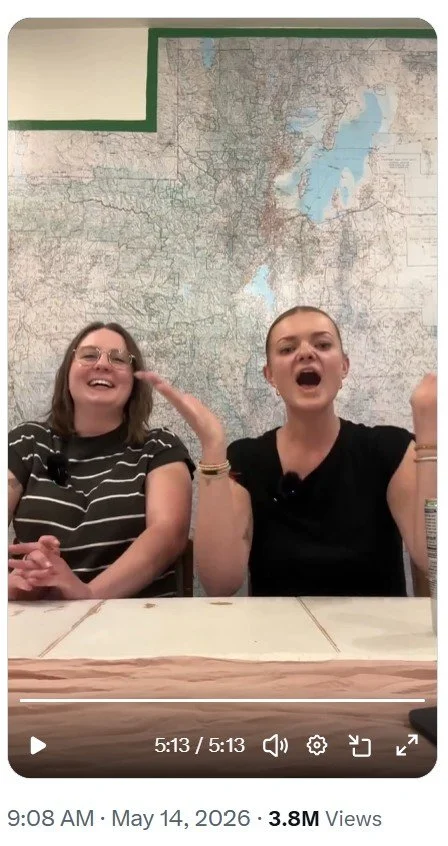
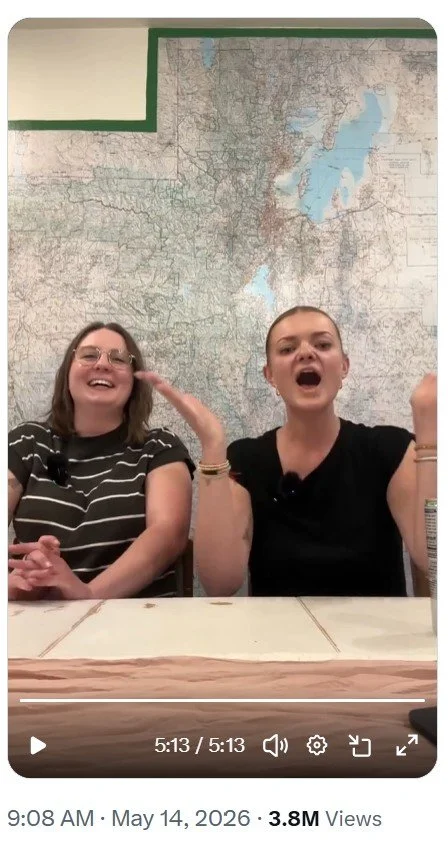
Like many communities, Box Elder County, Utah, is debating the development of a local data center. Two young women are in the spotlight, attacked by investor Kevin O’Leary. Students might analyze O’Leary’s claims and the women’s video approach as they attack back. The data center project, dubbed Wonder Valley (“Mr. Wonderful” on Shark Tank), mirrors a smaller Alberta, Canada, project.
On X, Gabi Finlayson and Jackie Morgan posted a video of O’Leary on Fox News. He accuses them of being Chinese operatives, and they interject by commenting on his flip flops and hat. They laugh and curse, and although the video shows many edits, they are authentic—unlikely Chinese shills.
Students may laugh too—the women are funny—but they have stronger arguments. O’Leary has more claims with little evidence. He discounts other protestors ("over 90% of the protesters are actually not people that live in Utah or Box Elder County” . . . “paid by somebody—I don't know who”).
In addition, one of his major arguments is the number of jobs the data center will bring, but Business Insider reports a discrepancy. O’Leary claims 10,000 temporary construction jobs and 2,000 permanent positions, but his own O'Leary Ventures CEO Paul Palandjian said numbers are closer to 4,000 for start-up, and USC Marshall researchers found ongoing jobs to be about 78% of that initial number.
He also dismisses environmental concerns by boosting himself: "I'm actually the only developer of data centers on earth that graduated from environmental studies, so I'm pretty aware of what these concerns are.” His Wikipedia page cites “an honours bachelor's degree in environmental studies and psychology,” which could mean just a few undergraduate courses.” Also, of course, knowing environmental concerns doesn’t necessarily translate into protecting the environment.
The X video did get 3.8 million views so far, so something worked. But students might discuss how else the women can respond to O’Leary’s attacks.
Tough PR Week for DoorDash
A staged DoorDash delivery to President Trump resulted in criticism of the event and of how the PR executive handled the response. This is a lesson for students in assessing social media responses.
The McDonald’s delivery featured a “Dasher” (DoorDash delivery person) touting the Trump Administration’s “no tax on tips" policy. Posted by Karoline Leavitt, the press secretary, the video is obviously planned. The president says, “This doesn’t look staged, does it?”
Of course it does. He asks a bunch of leading questions about her $11,000 in tips, and then escorts her a few feet to the press conference. Things got weirder, as Inc. describes:
The event got awkward quickly when Trump asked her to weigh in on transgender athletes in sports. Simmons declined. He then asked if she’d voted for him. “Um, maybe,” she responded.
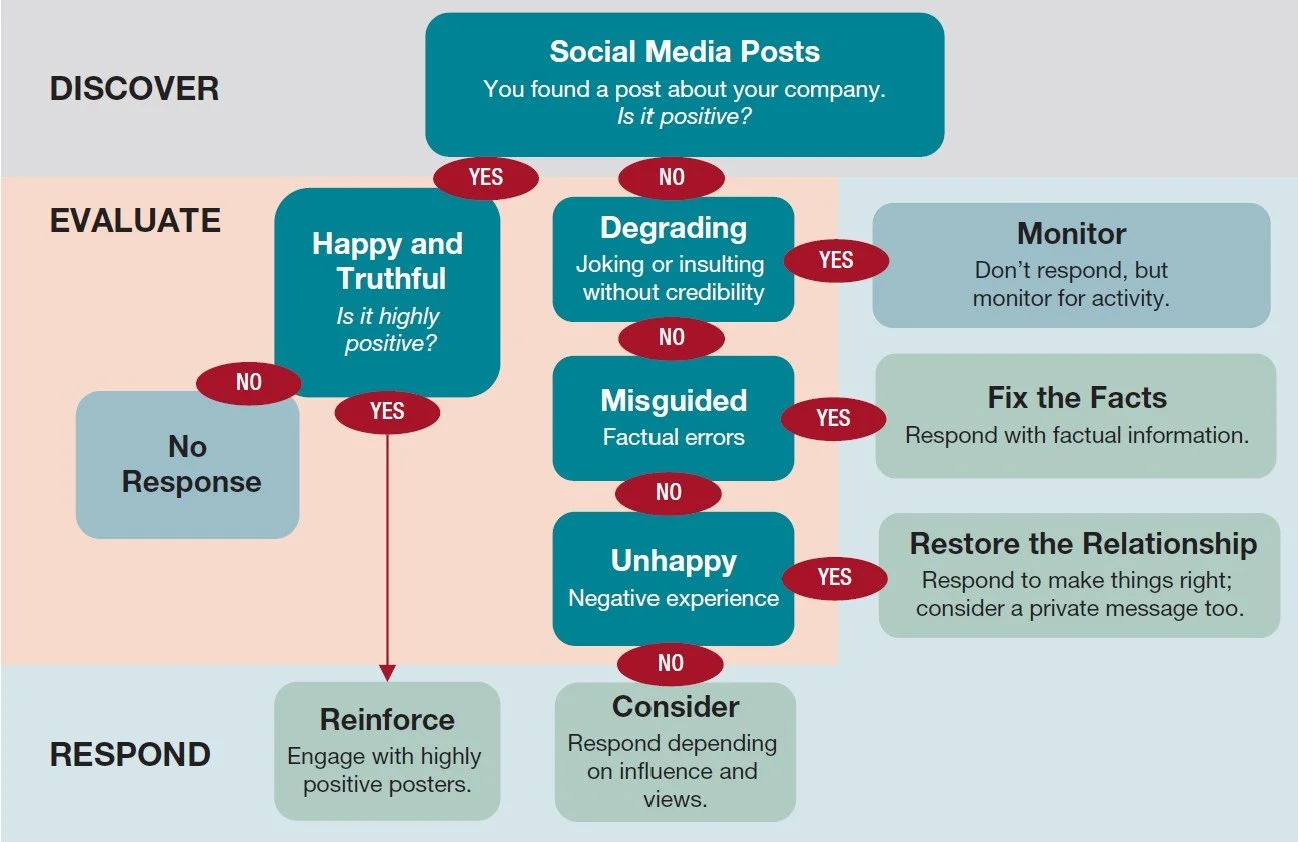
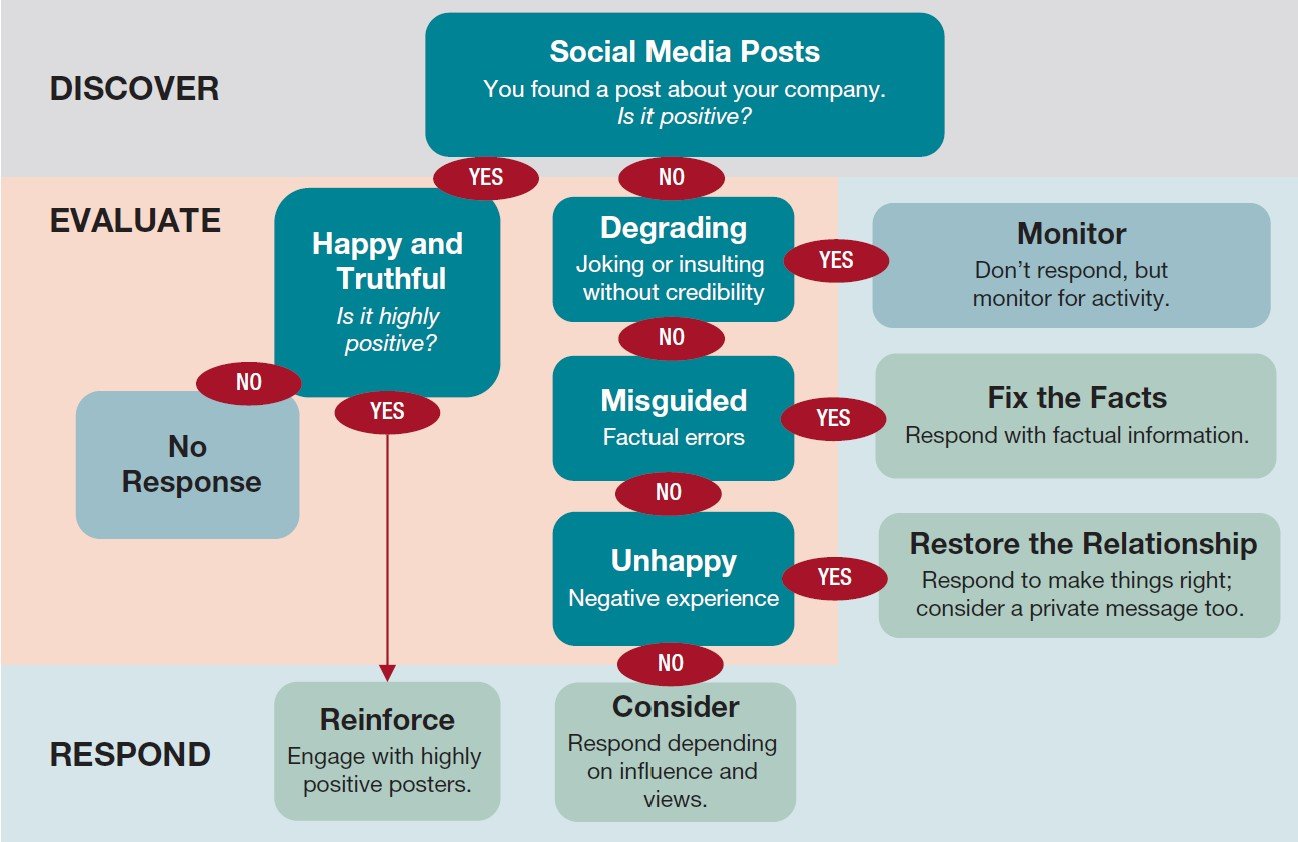
The DoorDash PR executive could have let critics do their thing and let the story evaporate. In this figure from Business Communication and Character, we see ways to assess social media responses. In this case, the posts are negative but perhaps not to the level of degrading, misguided, and unhappy—particularly not untruthful. Such comments came later, after the PR executive got defensive.
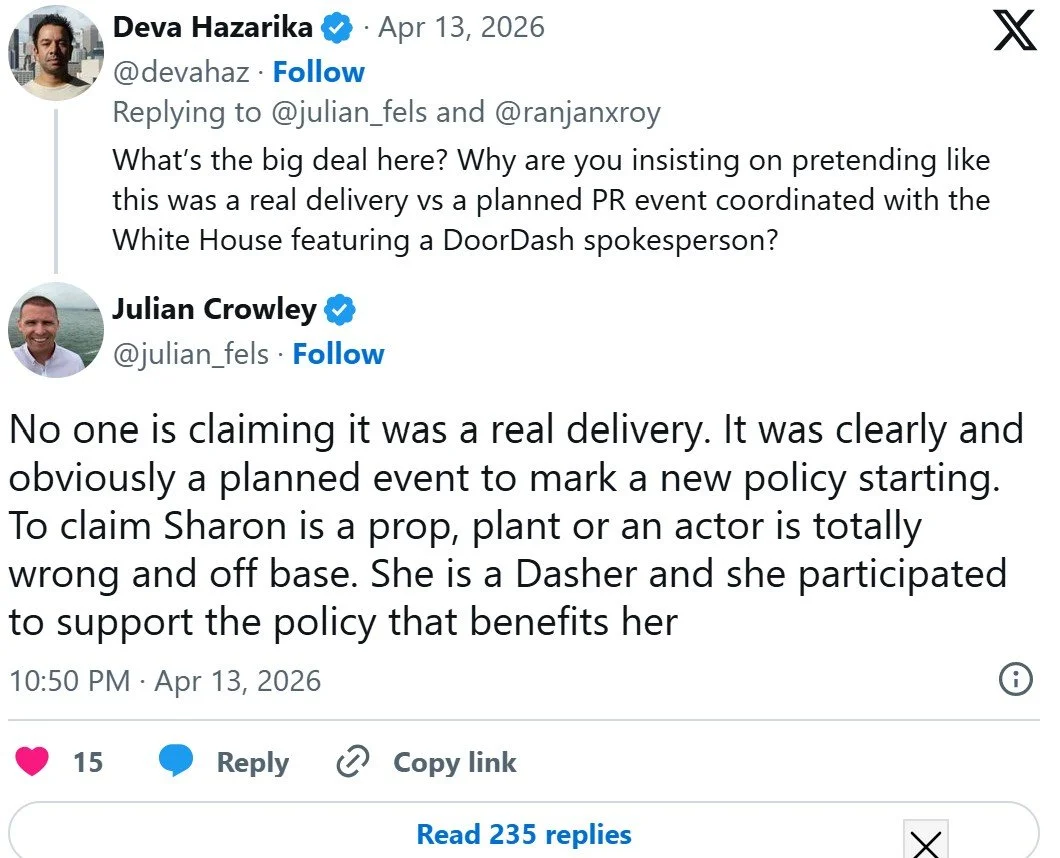
He elevated the situation to crisis level with the post here and this one:
I love a conspiracy as much as the next person but man you need to touch grass. It was a special delivery to mark a policy that has bipartisan support.
He had a difficult time rolling with the comments and became emotional. His better approach might have been to demonstrate humility and make light of the event, admitting that this wasn’t his best idea. But his reaction is understandable: It’s painful for anyone to face public criticism.
McDonald’s CEO Leans Into Viral Video
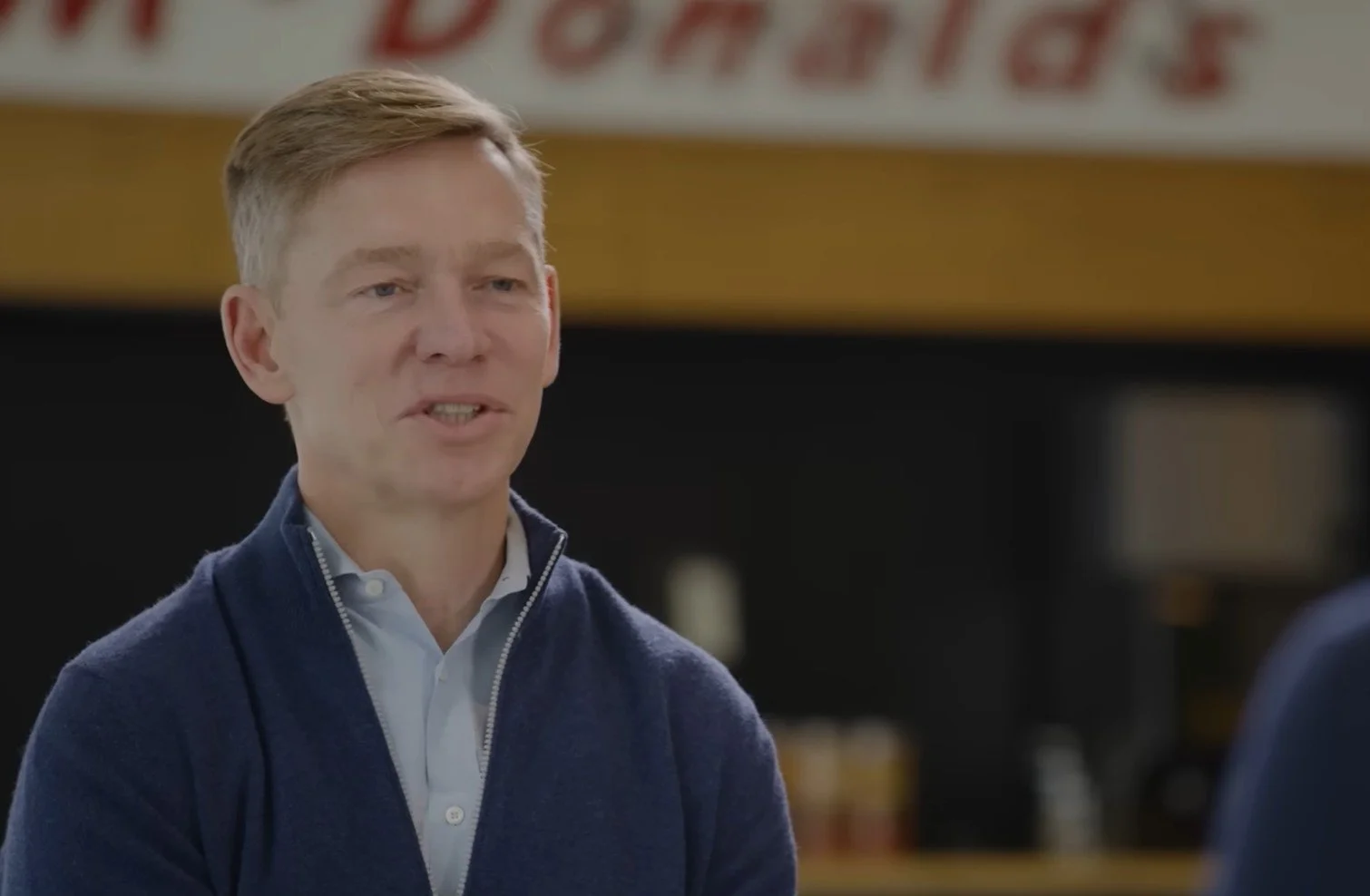
McDonald’s CEO Chris Kempczinski explains his mini-bite viral video and other challenges facing the company.
Kempczinski boldly agreed to a Wall Street Journal video interview, and he handles the discussion well, at times laughing about the viral video. Directly addressing why he took what looked like a tiny bite of the new Big Arch burger, he explained:
I blame it all on my mom because she said, don’t talk with your mouth full, and I think probably, in that case, I should have said, you know what, to hell with it, I’m gonna talk with my mouth full.
His explanation makes sense, and he does speak with his mouth full during the WSJ video after taking a human-sized bite of a French fry.
However, for the original video, he obviously didn’t think through the possibilities of editing (which, as I pointed out, removed a crumb from his lip). A too-full mouth of food could have been omitted.
Kempczinski takes a personal approach now, mentioning that he first learned about the viral video from his kids. As in his other videos, he sounds authentic—like his genuine self—and speaks about the competitive market and rising costs as we would expect of a CEO.
New Research About Expressing Emotion and Implications for Students
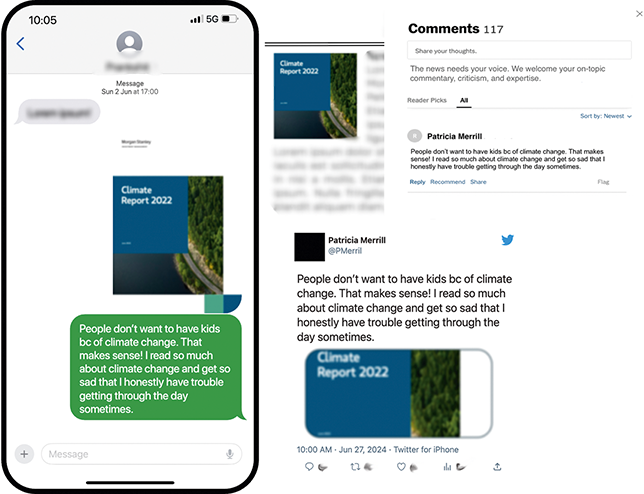
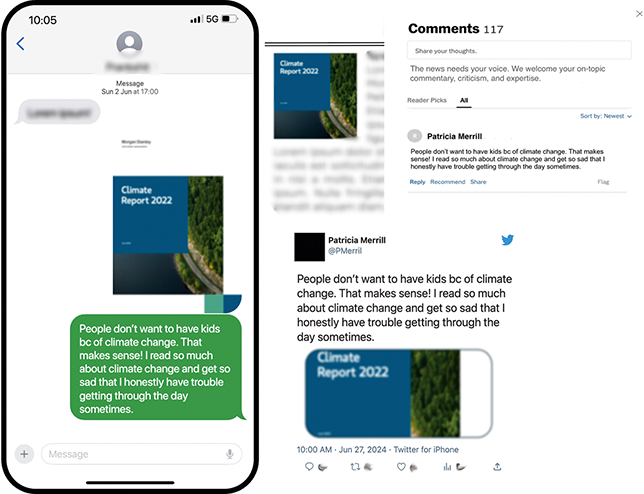
Business communication faculty have long taught students that emotional appeals—for example, eliciting anger—are persuasive, and that still holds. But new research published in a monograph, “Emotions on Our Screens,” shows that expressing our own emotions online may not change others’ minds. We see parallels with delivering bad news.
Six studies assessed posts about climate change and found that, when people expressed emotion, for example with a sad-face emoji, users viewed the post as “less appropriate and inauthentic.” Talbot Andrews, professor of government at Cornell University, explains, “I think you’re crying crocodile tears to make me feel bad about this, and I see through that ploy.”
I’m reminded of layoff meetings during which managers would cry. These meetings require a delicate balance: neither indifference nor emotional spillage that some employees perceive as performative and attention-seeking—similar to the climate research examples.
From the research about online displays, Andrews clarifies:
Emotional expression can serve an important role, helping people find a community that cares about their issue. Even if it doesn’t achieve any influential goal—persuading others or building your social media clout—expressing emotions often makes people feel better. The takeaway is not that people should keep their feelings to themselves, but that such expression won’t always be taken at face value.
As we might expect, emotions in text messages were found to be more authentic than those on social media. Public posts seemed more like “virtue signaling” or clickbait.
Students might evaluate their own texts and social media posts for displays of emotion. What might they change if their goal is to persuade?
AI’s Hilarious Descriptions of Competitors’ Writing

A Wall Street Journal writer asked ChatGPT, Claude, and Gemini to describe each other’s writing style, and the results are hilarious. But the writer’s conclusions about detection aren’t supported by research.
Gemini says Claude’s hallmark style is that of “a nervous graduate student terrified of losing their funding or offending the thesis committee.”
ChatGPT, in contrast, writes like a “McKinsey junior partner aggressively pitching a synergy strategy on LinkedIn,” according to Gemini. “It writes with absolute, unwavering confidence but strips out all specific, concrete details, resulting in prose that sounds authoritative but evaporates the moment you try to extract actual meaning from it.”
According to the OpenAI app, Claude is “an earnest grade [sic?] student who will not take a position. If you ask Claude, ‘Is this policy good,’ it replies: ‘It can be understood as operating within a broader ethical framework that may, depending on one’s normative commitment.’ By the time Claude finishes clearing its throat, the Roman Empire has fallen again.”
Perhaps like humans, AI bots have writing styles, although let’s stop short of calling them personalities.
Boldly, the writer claims in the article headline, “AI-Generated Writing Is Everywhere, and It’s Still Easy to Spot—for Now,” but the research says otherwise. Human detection is running around 50% (maybe better for business communication faculty, but who knows?), and detection tools aren’t reliable. As AI improves, detection will get more challenging.
Sure, we all heard about overuse of em-dashes and words like delve and myriad, but as soon as ChatGPT became public, our colleagues have been wary of accusing students of using AI.
Viral Staples Videos
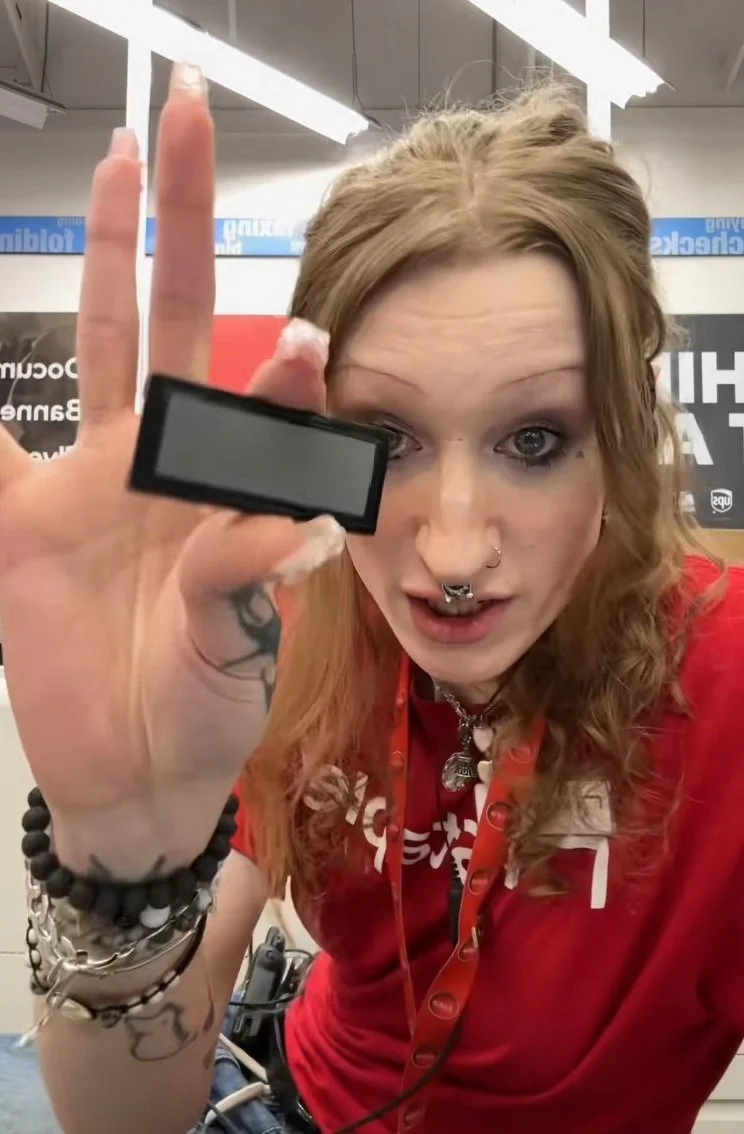
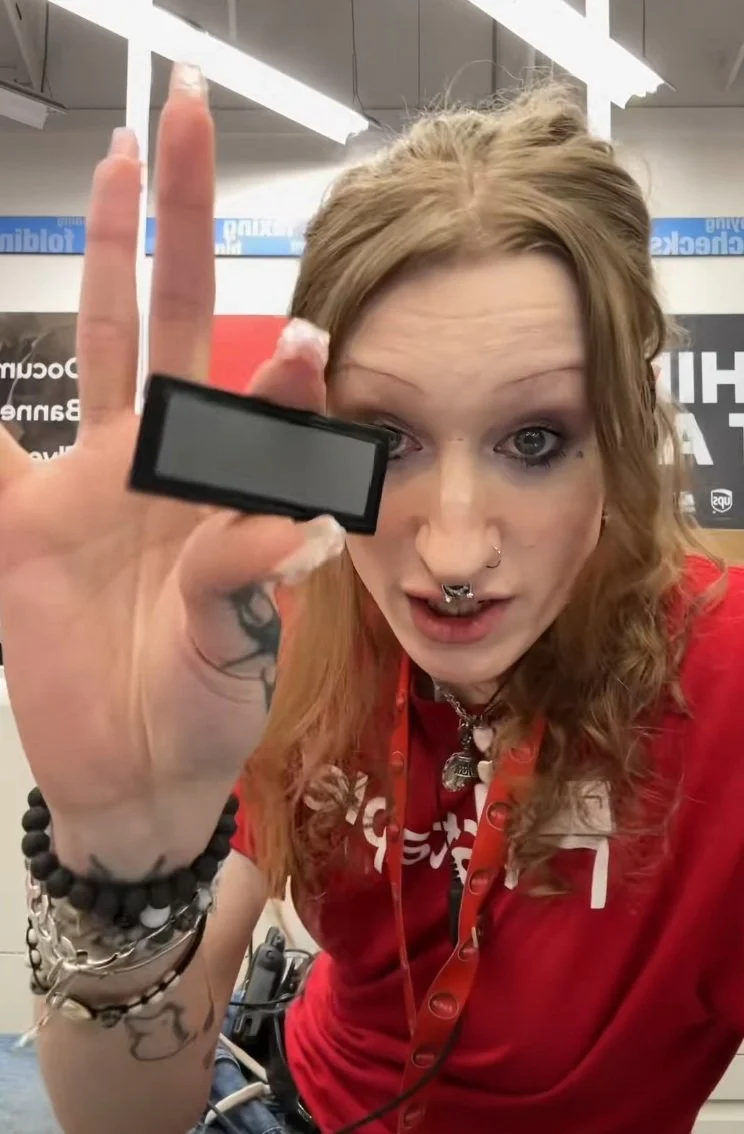
Staples has an employee turned social media star with fun viral videos. The “Staples Baddie” Kaeden Rowland somehow makes office products look interesting.
In this video with 5.7 million views, she explains how to make a signature stamp.
Rowland says she’s autistic and wanted to show her work as a print specialist:
I was like, How can I make people really feel, not just see, the passion I have for these stationery office products?
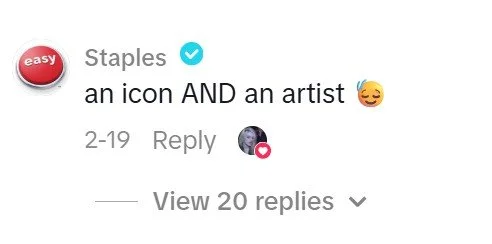
Staples leadership supports her authentic videos, which we might expect given her following. User comments include, “You are single-handedly saving staples,” and “omg are you the staples baddie i saw someone do a presentation in their class about????” The Staples social account engages on some videos, as you see here.
An engaging class project can ask students to develop a video series relevant to a brand that could go viral. What might make the videos take off? How would they ensure that the series aligns with brand values? What are the risks and challenges?
McDonald’s Video Recovery
A McDonald’s video caused embarrassment and left the company vulnerable to competitors. But the company’s response follows advice about embracing negative reviews.
The video of McDonald’s CEO admiring and tasting the new Big Arch wasn’t a bad idea. Chris Kempczinski sounds authentic and has built almost 100,000 followers on Instagram. But viewers criticized the video, primarily because Kempczinski twice called the burger a “product” and took a small bite while asserting, “That’s a big bite for a Big Arch.”
Interestingly, we see that the video was edited. After the fated bite, Kempczinski has some food on his lower lip, which vanishes in the next shot. Did the editors not notice that the bite looks small and doesn’t match his speech? Or is the bite not really that small and is only exaggerated by the social media response?
Going viral slowly, the video got more attention when Burger King’s and Wendy’s leaders made videos of their own. This might be filed under “no press is bad press.” Although that no longer holds in all cases, a spokesperson said, “We’re glad the Big Arch has everyone’s attention, including competitors’. Early sales are beating expectations.” Students can analyze other companies’ video responses and comments on social media, including those here.
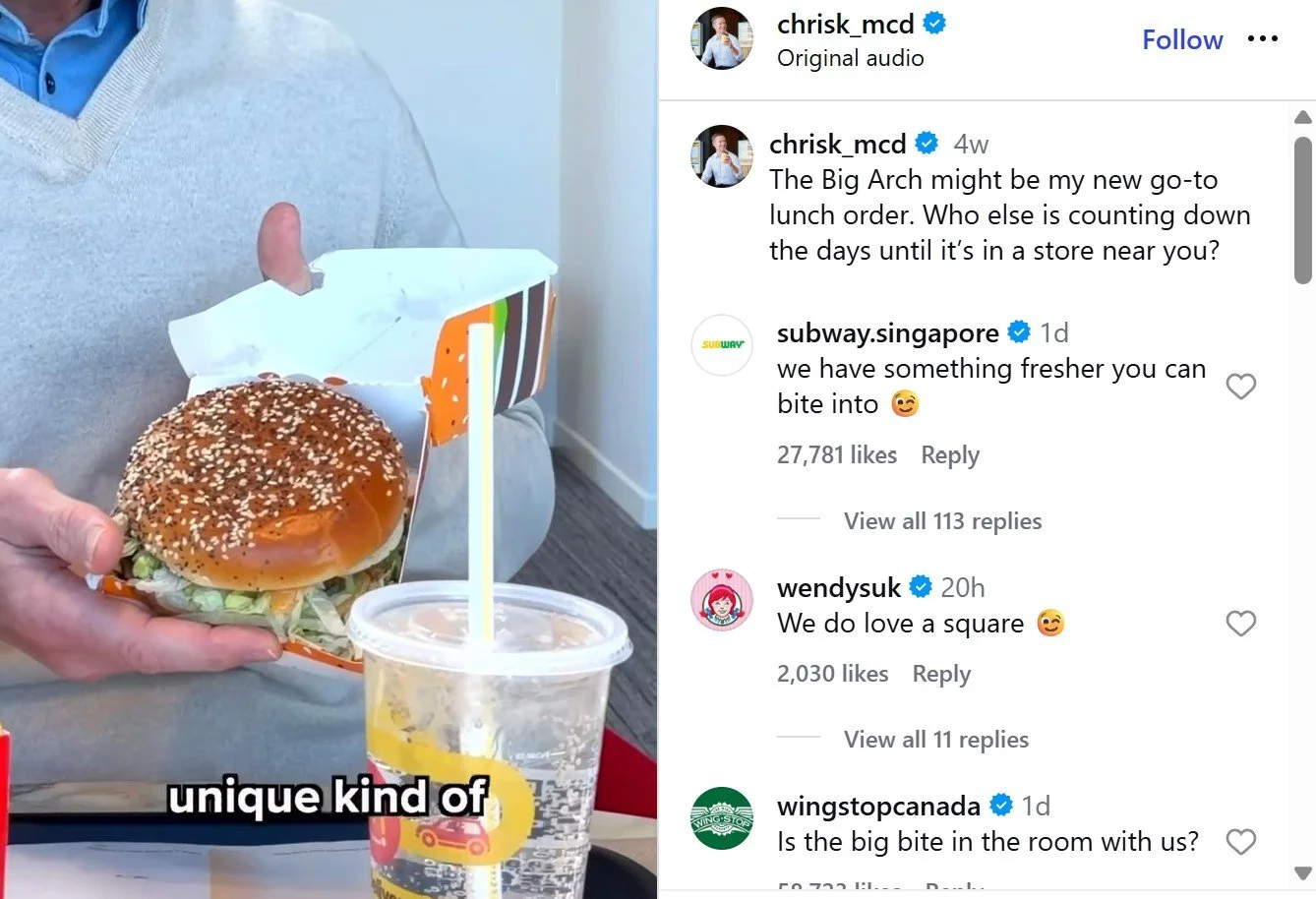
Smartly, McDonald’s stayed engaged in the conversation, posting this image and the comment, “can’t believe this got approved.” The strategy follows guidance about “reappropriating the insult” (embracing a negative comment and turning it into humor) and “stealing thunder” (revealing negative information about the brand before others do)—related ideas about controlling the narrative.
Students can discuss whether Kempczinski should have posted something himself. That would have been riskier.
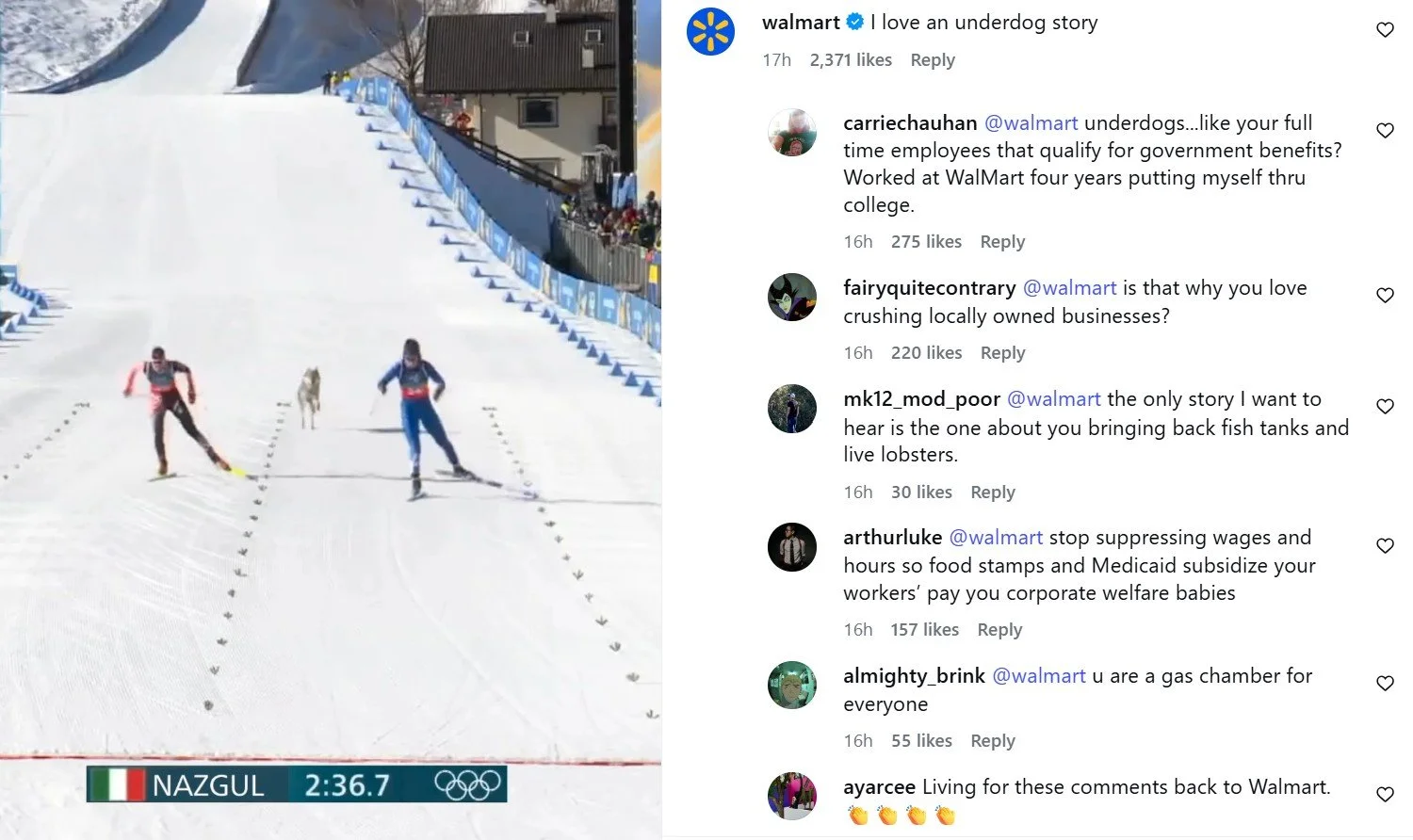
Walmart Tries to Engage About Olympian Wolfdog
Watching a wolfdog run with the Olympic skiers is great fun, and Walmart got into the action by commenting on Instagram, but the replies were not favorable.
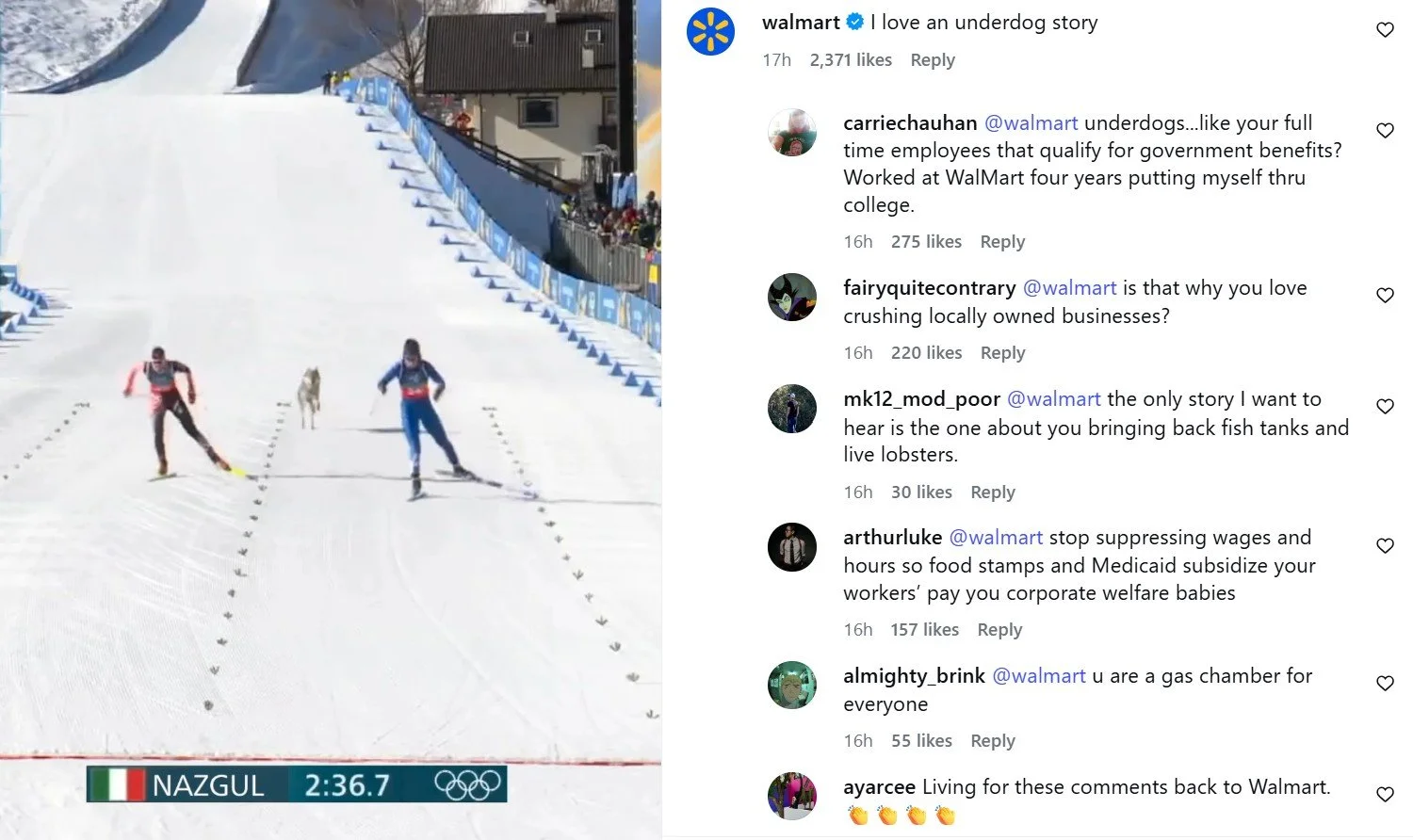
The Walmart account manager tried to engage, which is what we teach students in marketing communications and as examples of positive messages. The comment—”I love an underdog story”—is funny enough, but the responses point to larger issues, particularly about wages.
Students might discuss the risk Walmart took and whether it was worth it. The situation has nothing to do with Walmart, which makes it both low stakes and potentially irrelevant. The company inserted itself into a cultural moment—a time for people to rally around.
But users might perceive all company comments, particularly those unrelated to the core business, as marketing opportunities. Also, the post starts with “I,” an attempt to personalize (anthropomorphize?) the brand. Sure, the poster is a human (we think), but the company name and logo overshadow the comment. The joke doesn’t feel authentic because it’s not. Students also might consider the challenge of creating “one, authentic brand voice” for a company of Walmart’s heft.
On another note, sadly, some commenters wondered whether the video was AI. It’s hard to know these days.

Neurodiversity in the Classroom

I’m just back from the Association for Business Communication conference, where I presented “Supporting the Neurodiversity Represented in Our Students” with colleagues:
Lance Cummings, University of North Carolina Wilmington
David Lennox, Walla Walla University
Ashley Patriarca, West Chester University
Phillip Wagner, College of William & Mary
As you can read in the slides, our focus is on all cognitive and learning differences in our classes. We suggested ways to adjust grading rubrics, practice ungrading, use AI tools to improve executive functioning, and decide whether to disclose a disability or difference.
A QR code at the end brings you to more materials, including two video presentations from Lance, who couldn’t join us live.
How Presidential Candidates Are Using TikTok
Students might be interested in a Financial Times article about the presidential candidates’ TikTok strategies. The article recalls that the 2016 election was all about Facebook. This time, it’s TikTok, particularly for rallying young voters.
With 6.2 million followers, VP Harris’s page includes a video with 4 million views. She talks on the phone to a man’s granddaughter, Evie, and President Biden (still handsy!) joins in.
With 12.4 million followers, Former President Trump’s page includes a video with 13.8 million views. It’s a compilation of people I don’t know but students probably do endorsing him in Las Vegas. The song is by Nettspend, a 17-year-old rapper.

Of course, I’m cherry picking just two examples here that aren’t representative of the candidates’ social media strategies or presence. Students can draw their own conclusions based on their views.
The FT article quoted a get-out-the-vote creator: “Harris’s TikTok strategy is ‘aspirational for any brand, let alone a politician,’ where Trump’s feels ‘less native’ to TikTok and closer to traditional campaign material.” Students might identify the implications for (other) brands—a relevant topic for business communication classes.
This chart shows numbers of views, with more for Harris, despite having half the followers of Trump. This is at least partly because Harris is posting 20 times the number of videos. However, like the polls, I’m not sure their strategies or this data tell us anything about who will win the election.
Comms Around OpenAI Exec Departures

Three OpenAI leaders—the CTO and two research executives—join several others leaving the company just as it shifts from a nonprofit to a for-profit model. Students might analyze a resignation message and CEO Sam Altman’s response.
Most significant is Mira Murati’s resignation, posted on X. Murati is OpenAI’s CTO who, you might remember, was interim CEO for a hot minute when Altman was ousted for a weekend last year. Students might note that her post is entirely positive: She demonstrates grace and gratitude and mentions no company-related reason for leaving. But the three resignations came within hours of each other, and the timing is suspicious.
For his part, Altman responded in kind—with only good things to say about Murati’s leadership and contribution to the company during the past 6.5 years. But when he answers a question about the resignations during Italian Tech Week, he seems uneasy and a bit clumsy.
A Wall Street Journal article puts it plainly:
Turning OpenAI Into a Real Business Is Tearing It Apart
Executives and researchers have left this year amid disputes over the company’s values and fights among its leaders.
Do students buy Altman’s enthusiasm for the staffing change: “I have not been as involved in the tech recently as other things, because there's been so much going on, I'm excited to do that”? Feels like a stretch. But he did well transitioning to the company’s “new generation of leaders,” trying to refocus on the future.
OOO Messages That Allow a Break
Out of office (OOO) messages are getting new attention, as people feel increasingly inundated with email and desperately need a break. Students can compare messages and draft one of their own.

Examples show how OOO communication objectives have changed. In the past, the main objective might have been be let people know we won’t respond in our typical timeframe; in other words, we managed their expectations while we were away. More recently, people want to manage expectations on their return; they won’t be responding to 1,000 emails on day 1. People also want to reduce the email they receive to avoid the onslaught when they do get back.
OOOs seem to be getting more personal too. In the past, we might read that someone’s “away" or “on vacation.” Today, it’s more likely to read what they’re up to, for example, why they’re away, where they are, and the importance of taking a relaxing break. These messages follow trends towards authenticity, including employees’ willingness to share more personal information.
I’m curious how these messages affect senders—and those away. Are fewer emails sent, or are they saved up for the person’s return? Or does someone (as I just did) write a long discussion thread post awaiting the person’s return? (My thinking is that it’s better to read one post than 15 emails. Right?)
Striking the right tone in OOO messages can be tough. Here’s one example:
I am out of the office having way more fun than communicating with you. I will likely forget to email you back.
Maybe students will have better ideas. Here are 100 examples, but students may want to identify their communication objectives first. If they want to ease the email burden before and immediately after their break, these need editing.
Crisis Comms Around Food Bank's Meth Candy
A New Zealand food bank unknowingly distributed candy with high concentrations of methamphetamine to local families. Students can analyze crisis messages from the organization and the candy manufacturer.
The Auckland City Mission has a clear, short message on its home page:


The organization is also reaching out to the 400 or so people who received the candy, which was likely part of a drug smuggling scheme. Fortunately, the “candy” tasted so bad that people spit it out immediately; still, three people were hospitalized.
For its part, the candy manufacturer, Rinda, published a statement on its website (text below). The message meets its objectives, which students might identify as expressing sympathy, maintaining the company’s reputation, and distancing itself from the incident. However, the message is bare-bones, as these go. It sounds corporate, meaning I don’t read it as an authentic recognition of harm done—it protects the company primarily.
Beginning with “Statement from Rinda…” and “the safety and well-being of our consumers is our highest priority,” the message might cause immediate eye-rolling. “It has come to our attention” removes the possibility of any potential emotion on the part of company leaders and leaves us feeling as though they are checking a box—writing a statement after consulting with their team of lawyers. As they admit, they want to “protect the integrity of our brand.” Well, of course. No one faults them for that, but they don’t have to say it explicitly.
Instead, they could show a little compassion for people who are unhoused and food insecure, some of whom have addiction issues. These families seek support and care from the Auckland City Mission, which also suffered reputational damage. Can people trust the organization to give them food that’s safe? Maybe, in addition to upholding its own brand, Rinda could include a statement for the agency as well.
Here’s the statement text:
Statement from Rinda Food Industries Sdn Bhd
At Rinda Food Industries Sdn Bhd, the safety and well-being of our consumers is our highest priority. It has come to our attention through recent news reports in New Zealand that our products may have been misused in connection with illegal substances, specifically methamphetamine. We want to make it clear that Rinda Food Industries does not use or condone the use of any illegal drugs in our products.
We recognize the seriousness of this situation and understand the concerns it raises. We believe that the New Zealand authorities are currently conducting an investigation into this matter, we will work closely with law enforcement and relevant authorities to address this issue and protect the integrity of our brand. Our company is dedicated to ensuring that our products meet the highest safety and regulatory standards.
We encourage anyone with information related to this situation to contact us directly or to reach out to the appropriate authorities.
Yelp Exec on AI and Authenticity

An interview with Yelp’s Chief Product Officer offers an example of an executive positioning his company in light of AI advances.
Craig Saldanha begins with a clear objective—to focus on the core business success:
Just to set the table, our stated mission hasn’t changed. Our goal is to connect consumers with great local businesses, and that hasn’t changed over time.
Then he achieves the following:
Explains the company’s early adoption of AI (which any business leader will say and is true—at a basic level)
Describes how newer (generative) AI improves the customer experience, particularly in parsing reviews and search
Reinforces Yelp Assistant, a new voice technology to connect consumers and businesses (video of Saldanha here)
Assures customers of human reviews and connection
His examples illustrate each point well. However, he claims they’re using generative AI to help people write reviews:
we are now using AI — and specifically Gen AI — to give you gentle nudges and prompts to help you remember what made your experience special. So as you’re typing, if you talk about the ambience, it will give you a little tag that says, “You’ve checked off the ambience, now you can talk about the service, you can talk about the food, etc.” We’ve rolled this out for restaurants, we’re rolling this out for other categories. That really helps with the depth and the quality of the reviews.
The support is minimal. I started typing a review, and yes, a little green box shows when I mention service, but that’s it. I don’t suppose that people want more guidance, particularly to avoid misleading, inauthentic reviews. But why mention it? Saldanha has stronger points, including upcoming features, for example, the ability to find a business based on a photo or video.
Overall, Saldanha does what we expect an executive to do. He represents the business well.
Proposed New Rules on Political Robocalls and Texts
The Federal Communications Commission is proposing tighter guidelines for AI-generated political campaign messages. Students can identify the objectives and assess whether they think the plan will work.

With the U.S. presidential election three months away, candidates are sending more robocalls and robotexts. According to FCC rules, these require consent, but messages sent manually do not.
New proposed FCC guidelines include the following areas:
The proposal seeks comment on the definition of AI-generated calls, requiring callers to disclose their use of AI-generated calls and text messages, supporting technologies that alert and protect consumers from unwanted and illegal AI robocalls, and protecting positive uses of AI to help people with disabilities utilize the telephone networks.
Of particular interest to the FCC are technologies used to mislead, for example, voice cloning and caller ID spoofing, which falsifies a caller’s origin.
Citizens can eliminate (or maybe just reduce) unwanted calls:
Reply “STOP”
Forward texts to 7726 (or "SPAM")
Silence unknown callers
Report texts as junk
I’ve been doing the latter on political texts to no avail. I imagine that robotext comes from a different source, so my efforts are equal to deleting each without the “report junk” part.
Students might have other ideas and their own experiences to share. Do they get a barrage of messages? Are they concerned about election misinformation?
Google Pulls Gemini Ad
Google's decision to pull its Gemini ad offers lessons for how students might interact with LLMs. The big question is, Does the girl need help?
In the ad, which is still on YouTube but no longer runs during the Olympic games, a father asks Gemini (formerly Bard) to help his daughter write an appreciation letter to U.S. hurdler and sprinter Sydney McLaughlin-Levrone.
Professor of Advanced Media Shelly Palmer's blog post explains the many issues with the Gemini ad. The post itself is an argument students can analyze. To me, his most influential point is the overstatement of LLMs' ability to convey human thoughts and feelings—and a lack of confidence in a young girl's ability to express herself without the help of technology. As Palmer says, "Give me a heartfelt message over a grammatically correct, AI generated message any day."
In response to controversy, a Google representative said, “We believe that AI can be a great tool for enhancing human creativity, but can never replace it. Our goal was to create an authentic story celebrating Team USA,” and “While the ad tested well before airing, given the feedback, we have decided to phase the ad out of our Olympics rotation.” We don’t hear a lot of regret, apology, or learning from this response. I wonder how the disconnect happened between the ad testing and public response. That is one lesson Google could take away from the incident.