
McDonald’s Video Recovery
A McDonald’s video caused embarrassment and left the company vulnerable to competitors. But the company’s response follows advice about embracing negative reviews.
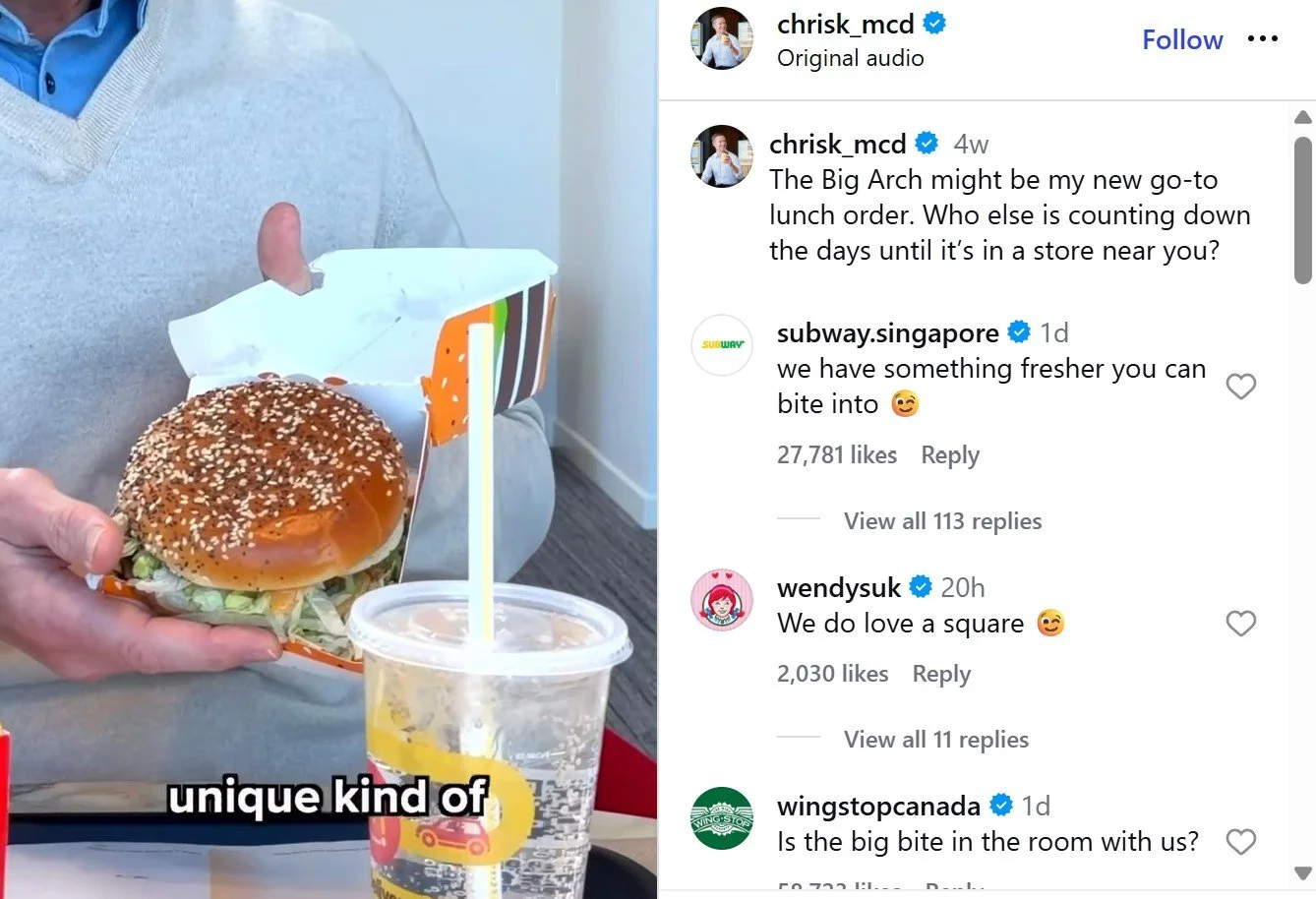
The video of McDonald’s CEO admiring and tasting the new Big Arch wasn’t a bad idea. Chris Kempczinski sounds authentic and has built almost 100,000 followers on Instagram. But viewers criticized the video, primarily because Kempczinski twice called the burger a “product” and took a small bite while asserting, “That’s a big bite for a Big Arch.”
Interestingly, we see that the video was edited. After the fated bite, Kempczinski has some food on his lower lip, which vanishes in the next shot. Did the editors not notice that the bite looks small and doesn’t match his speech? Or is the bite not really that small and is only exaggerated by the social media response?
Going viral slowly, the video got more attention when Burger King’s and Wendy’s leaders made videos of their own. This might be filed under “no press is bad press.” Although that no longer holds in all cases, a spokesperson said, “We’re glad the Big Arch has everyone’s attention, including competitors’. Early sales are beating expectations.” Students can analyze other companies’ video responses and comments on social media, including those here.
Smartly, McDonald’s stayed engaged in the conversation, posting this image and the comment, “can’t believe this got approved.” The strategy follows guidance about “reappropriating the insult” (embracing a negative comment and turning it into humor) and “stealing thunder” (revealing negative information about the brand before others do)—related ideas about controlling the narrative.
Students can discuss whether Kempczinski should have posted something himself. That would have been riskier.