
Tough PR Week for DoorDash
A staged DoorDash delivery to President Trump resulted in criticism of the event and of how the PR executive handled the response. This is a lesson for students in assessing social media responses.
The McDonald’s delivery featured a “Dasher” (DoorDash delivery person) touting the Trump Administration’s “no tax on tips" policy. Posted by Karoline Leavitt, the press secretary, the video is obviously planned. The president says, “This doesn’t look staged, does it?”
Of course it does. He asks a bunch of leading questions about her $11,000 in tips, and then escorts her a few feet to the press conference. Things got weirder, as Inc. describes:
The event got awkward quickly when Trump asked her to weigh in on transgender athletes in sports. Simmons declined. He then asked if she’d voted for him. “Um, maybe,” she responded.
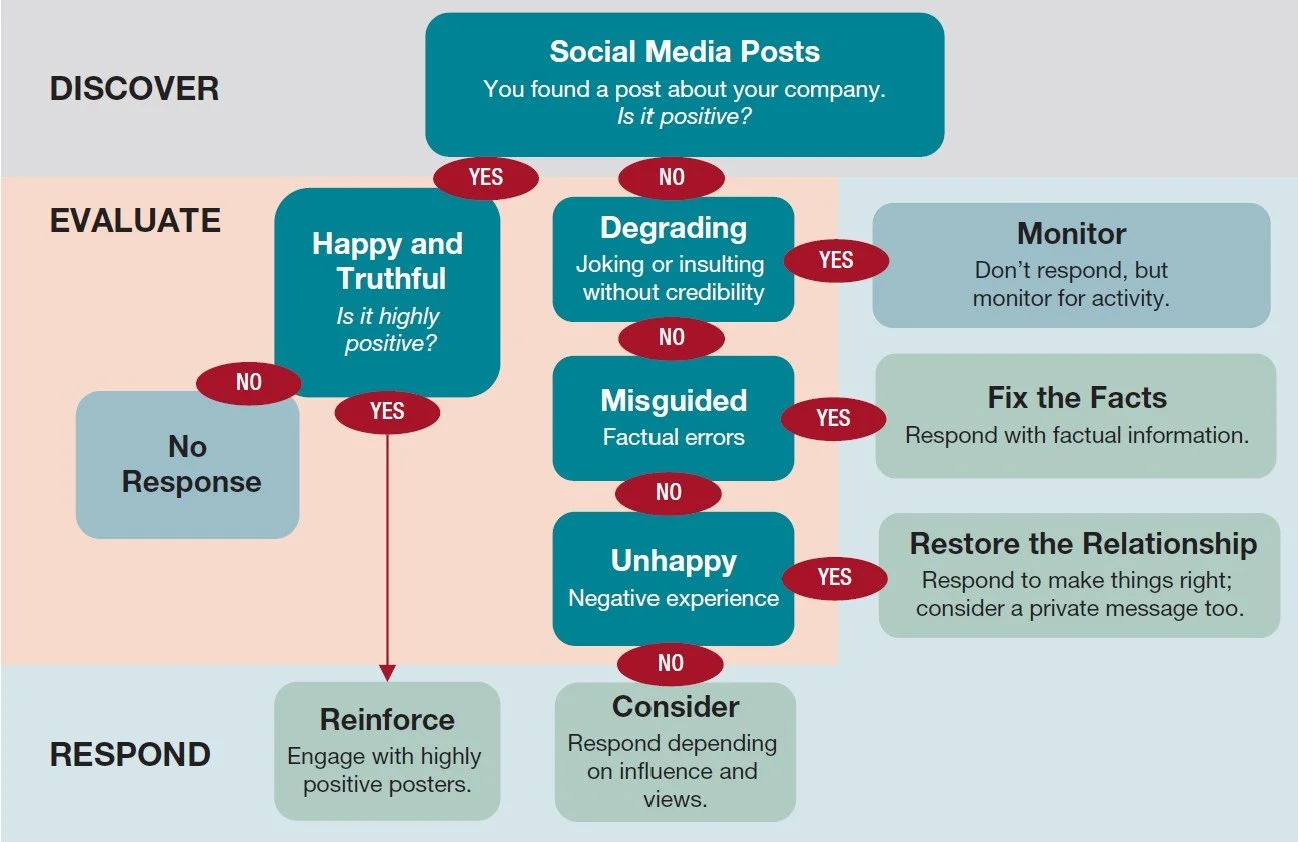
The DoorDash PR executive could have let critics do their thing and let the story evaporate. In this figure from Business Communication and Character, we see ways to assess social media responses. In this case, the posts are negative but perhaps not to the level of degrading, misguided, and unhappy—particularly not untruthful. Such comments came later, after the PR executive got defensive.
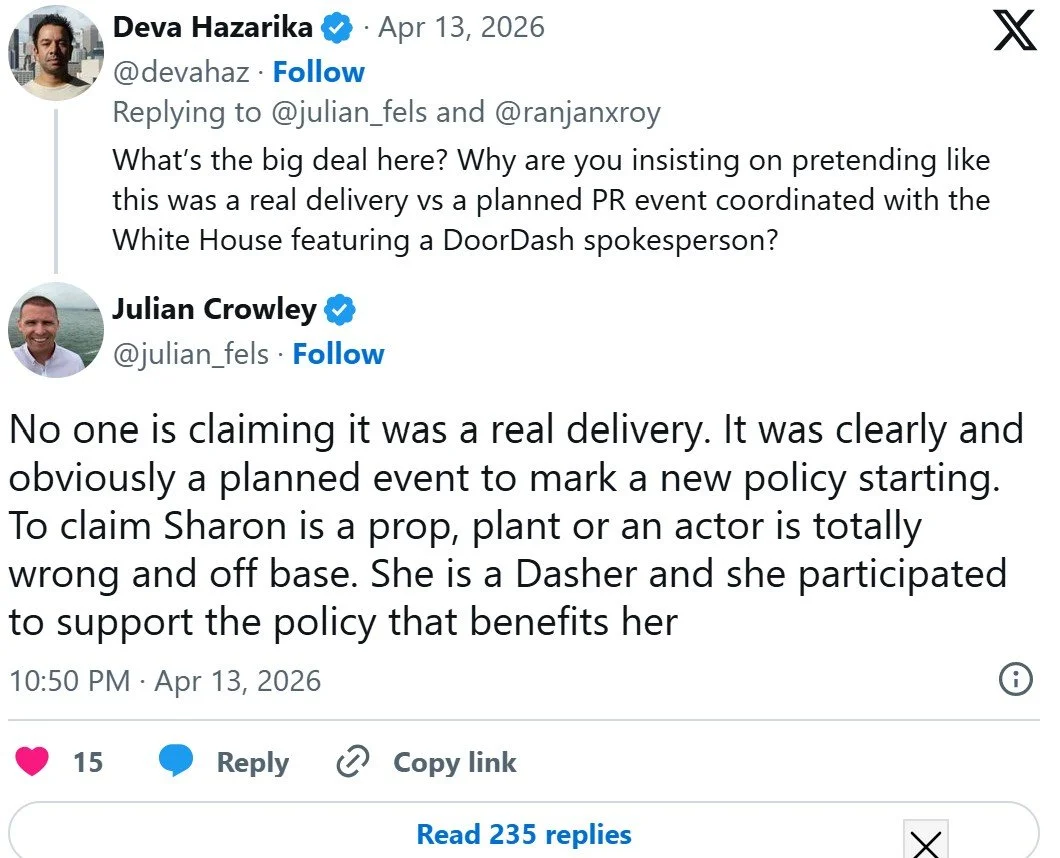
He elevated the situation to crisis level with the post here and this one:
I love a conspiracy as much as the next person but man you need to touch grass. It was a special delivery to mark a policy that has bipartisan support.
He had a difficult time rolling with the comments and became emotional. His better approach might have been to demonstrate humility and make light of the event, admitting that this wasn’t his best idea. But his reaction is understandable: It’s painful for anyone to face public criticism.