
New Research About Expressing Emotion and Implications for Students
Business communication faculty have long taught students that emotional appeals—for example, eliciting anger—are persuasive, and that still holds. But new research published in a monograph, “Emotions on Our Screens,” shows that expressing our own emotions online may not change others’ minds. We see parallels with delivering bad news.
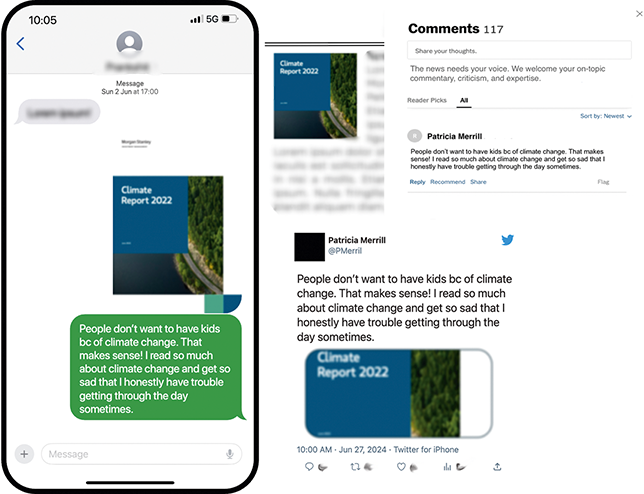
Six studies assessed posts about climate change and found that, when people expressed emotion, for example with a sad-face emoji, users viewed the post as “less appropriate and inauthentic.” Talbot Andrews, professor of government at Cornell University, explains, “I think you’re crying crocodile tears to make me feel bad about this, and I see through that ploy.”
I’m reminded of layoff meetings during which managers would cry. These meetings require a delicate balance: neither indifference nor emotional spillage that some employees perceive as performative and attention-seeking—similar to the climate research examples.
From the research about online displays, Andrews clarifies:
Emotional expression can serve an important role, helping people find a community that cares about their issue. Even if it doesn’t achieve any influential goal—persuading others or building your social media clout—expressing emotions often makes people feel better. The takeaway is not that people should keep their feelings to themselves, but that such expression won’t always be taken at face value.
As we might expect, emotions in text messages were found to be more authentic than those on social media. Public posts seemed more like “virtue signaling” or clickbait.
Students might evaluate their own texts and social media posts for displays of emotion. What might they change if their goal is to persuade?