
Persuasive Letter from Scholars to NYC Mayor

New York City Mayor Bill de Blasio is under pressure to remove four statues that a group considers racist. More than 120 academics and artists signed a letter to persuade the mayor.
The letter assumes that two monuments "have no place on City property" and have "no defenders." They describe them as follows:
- The Dr. J. Marion Sims statue in Central Park, commemorating a doctor who performed surgical experiments on enslaved African American women, including children, without anesthesia or consent. Momentum for its removal has spurred a remarkably broad coalition in support of the long-standing demand from Black and Latinx Harlemites that this affront be removed.
- Historic markers of Vichy France’s Nazi collaborators, Philippe Pétain and Pierre Laval, are located in the Canyon of Heroes. Lest anyone need reminding, Vichy organized its own deportation to Auschwitz of over 70,000 Jewish French citizens.
The other two are more controversial, and the authors identify several arguments to support removing them. One is of Theodore Roosevelt, and the other is of Christopher Columbus.
In closing the letter, the group suggests alternatives:
In calling upon the Commission to recommend the removal of the aforementioned monuments, we also endorse any forward-looking post-removal initiative to advance understanding of these histories and make creative use of the vacated city property. These statues could be placed in dedicated museum spaces or memorial gardens, as has happened in Germany, India, South Africa and across Eastern Europe. The Roosevelt monument by James Earle Fraser could be profitably displayed alongside Fraser’s The End of the Trail in the Metropolitan Museum, for example, so that viewers could explore how race and eugenics were visualized in the period. The empty sites could be used as the subject for artistic competitions, as with London’s Fourth Plinth in Trafalgar Square. In short, we see the outcome of the Commission not as destroying heritage, let alone the purported erasure of history, but as the beginning of an exciting new set of possibilities for public art and museums in New York City, one finally devoted to an inclusive and reparative vision of the difficult histories of settler colonialism and the Indigenous peoples of this land.
Discussion:
- How would you describe the writing style in the letter? In what ways is it similar to and different from business writing?
- How is the letter organized? How could the organization be improved?
- Assess the argument for the two monuments in question. How do the authors use logical arguments, emotional appeals, and credibility? Which are their strongest and weakest arguments?
Chipotle Announces Search for New CEO

After founding the first Chipotle restaurant in 1993, Steve Ells will leave his position as CEO and become executive chairman. Chipotle locations have struggled with food safety issues since 2008, when customers at a La Mesa, California, restaurant came down with hepatitus, and 54 Kent State students were affected by norovirus at a local restaurant. Since then, other locations have been affected by these illnesses as well as Salmonella and E. Coli.
Company stock has suffered, and this move signals a hopeful change. It's a tough spot for the company's board because Ells has been the face of Chipotle for so long, but the situation has not improved despite efforts for better food safety and new menu items, such as queso dip, which was not well received.
In a company press release, Ells is quoted:
“I am incredibly proud of Chipotle and our people – and grateful to our loyal customers – and while we are continuing to make progress, it is clear that we need to move faster to make improvements,” said Ells. “Simply put, we need to execute better to ensure our future success. The Board and I are committed to bringing in an experienced leader with a passion for driving excellence across every aspect of our business, including the customer experience, operations, marketing, technology, food safety, and training.”
Added Ells, “Bringing in a new CEO is the right thing to do for all our stakeholders. It will allow me to focus on my strengths, which include bringing innovation to the way we source and prepare our food. It will ultimately improve our ability to provide our guests with delicious food that is prepared with high quality ingredients that are raised responsibly and served in a way that is accessible to everyone. I am confident that this will allow us to deliver value for our shareholders, and provide rewarding opportunities for our employees. Chipotle has vast unrealized potential. As we work hard to restore our brand, I believe we can capitalize on opportunities, including in areas such as the digital experience, menu innovation, delivery, catering, and domestic and international expansion, to deliver significant growth.”
The board chair is also quoted, speaking highly of Ells:
“Steve is a visionary leader and one of the most successful restaurateurs in history, having grown Chipotle from a single restaurant in Colorado to more than 2,350 restaurants today. Steve made the decision, and the Board agreed, that now is the right time to identify a new CEO who can reinvigorate the brand and help the company achieve its potential. We are committed to recruiting a world-class CEO for this incredible opportunity.”
Discussion:
- Read the entire press release. What is not said? Should the release include anything else?
- How well does Ells's quote inspire confidence in the future of the brand? What parts do you find most and least convincing?
- Who are the audiences for the press release? What are the company's objectives?
- In a sense the board is demonstrating vulnerability. How would you describe their approach, and how effective do you think this is?
Indiana University Is Next to Suspend Greek Life

Indiana University is following what is starting to be trend: suspending campus Greek life. University officials say activities are banned until at least the spring. The decision follows similar recent actions by Texas State University, Ohio State University, Ball State, and the University of Michigan after various charges of hazing, drug and alcohol abuse, and a death at Penn State.
Indiana's Interfraternity Council President wrote, "We are looking forward to working with our partners on campus as well as national headquarters and alumni to achieve our common goal of creating a sustainable environment for all our chapters to excel in future endeavors."
Indiana is trying to enforce its standards for fraternities and sororities, which is detailed in a "Agreement for Greek Organizations." The agreement focuses on providing and maintaining a safe environment, including not participating in hazing and controlling events where alcohol is served.
Discussion:
- What effect do you think these suspensions will have on Greek life?
- What actions, if any, has your university taken? What do you think should happen?
- I can't find a statement from Indiana University. Should the administration issue one?
"Happily Gentrifying" Isn't Well Received

A Denver coffee shop is facing backlash from neighbors after posting a sign outside the building: "Happily Gentrifying the Neighborhood Since 2014."
Not everyone is a fan of gentrification, which typically means higher-income shops coming into a neighborhood with increasing rents. Often the result is that people of color and with lower incomes get driven out.
The coffee shop faced a broken window, graffiti outside the building that read "White Coffee," and about 200 protestors.
After initially dismissing the complaints and calling the sign a joke, the company founder said he didn't "fully appreciate the very real and troubling issue of gentrification." He also said, "I recognize that we had a blind spot to other legitimate interpretations. I sincerely apologize—absolutely and unequivocally."
Discussion:
- Should the founder or store manager have know better than to post such a sign? Or was it a careless mistake? Or something else?
- How do you assess the founder's initial and follow-up responses? How could he have demonstrated more humility?
Uber's Recovery Problem

Uber's new CEO Dara Khosrowshahi may be having a tougher time than he anticipated. New charges have been issued against the company, including paying off a hacker to keep quiet about stolen customer information.
An analyst on Bloomberg said, "The payment of ransom is egregious, and the lack of investment in proactive cybersecurity measures...was beyond the pale." Other industry experts agree. “I was shocked,” a CTO officer at Menlo Security Inc. “Companies need to own up.” The board recently began an investigation into the $100,000 payment, and they terminated the chief security office and another employee as a result.
Before this incident, Bloomberg reports that Khosrowshahi was already apologizing for the company's past actions:
Since he took over, London moved toward outlawing the service, citing “a lack of corporate responsibility.” Uber is appealing. (“I apologise for the mistakes we’ve made,” Khosrowshahi said in response.) He then traveled to Brasilia to meet with officials there and ward off restrictions on Uber’s business. (“In the past, we were a bit aggressive,” he told a Brazilian newspaper.) And now the mishandled data breach. (“We will learn from our mistakes.”)
I will argue what I have in the past on this blog in my new book on Building Leadership Character: Travis Kalanick lacked humility. He believed he was above the law and therefore wouldn't be help accountable for anything.
Discussion:
- Do you agree with my assessment of Kalanick? Why or why not?
- What can Khosrowshahi do to rebuild the company image?
Wells Fargo's Stiff CEO Video
 Wells Fargo is still trying to rebuild trust after several scandals, including creating millions of fake accounts for customers. The company sent emails to customers and included a link to a new video featuring CEO and president Tim Sloan.
The email starts with a sort-of apology, indicating that they haven't communicated enough.
 |
|
Sloan's messages are consistent: they take responsibility, and they are trying to "make things right." But Sloan is as stiff as he was in another video, created in April.
Discussion:
- Do you agree or disagree with my criticism of the email and video? Why or why not?
- How else would you evaluate the email and video?
- Sloan also isn't giving many specifics. What else, if anything, should he say?
TripAdvisor Identifies Issues at Hotels
 TripAdvisor has decided to identify hotels where issues about "healthy, safety, and discrimination" have been reported. Given the increasing conversations about sexual harassment, the company is stepping up, but the notice raises serious concerns for hotels.
Related to this move, TripAdvisor has apologized for removing a post reporting a rape by a hotel security guard. Turns out, other women posted similar reports, and there is a pattern. In a statement, the company also explained its plan to use badges:
NEEDHAM, Mass., Nov. 1, 2017
The following is the official statement from TripAdvisor concerning the article by Raquel Rutledge of the USA Today network:
"TripAdvisor's site includes more than 535 million reviews and opinions from global travelers who write about their experiences at hotels, with airlines, restaurants and local attractions. Like any other content business, we work to adhere to publishing guidelines that are in place to ensure the accuracy and integrity of those reviews.
TripAdvisor has always maintained - since our founding - a strict separation between our commerce and content businesses. Despite assertions and statements made by a recent USA Today article, there is no tie between commercial relationships with our partners and how our content guidelines are applied to reviews or forum posts published on the site.
We apologize to the sexual assault victim reported on in the article, who had her forum post removed seven years ago on TripAdvisor. At the time, we had a policy whereby we judged content to be in breach of our guidelines if it did not adhere to family-friendly language. More than seven years ago that meant all language needed to be G-rated. A few years ago, we changed that policy to allow more descriptive reviews on the site about first-hand accounts of serious incidents like rape or assault. We recognized then that our previous guidelines went too far in preventing information like this from being shared.
Over the last several years, this policy change has yielded many first-hand accounts of serious incidents being published on the platform. A simple search of TripAdvisor will show numerous reviews from travelers over the last several years who wrote about their first-hand experiences that include matters of robbery or theft, assault and rape. We believe any first-hand experience should be posted to our site as a means to communicate to other consumers looking for information on where they should travel.
When we were made aware that this post had been removed under our previous guidelines, we republished it in line with our revised policy.
We are horrified that this victim experienced this assault on her vacation in Mexico, and other travelers should be aware of this incident.
In order to better inform consumers and provide them with even more information about their travels, TripAdvisor is creating a "badge" notification to apply to businesses to alert consumers of health and safety or discrimination issues at that business reported on within the media or other credible sources of information.
We will continue to work to improve and evolve our moderation and publishing guidelines as we work to provide the most accurate information in the travel industry available online."
The new badge will read as follows:

Discussion:
- What ethical issues and communication challenges are raised by this decision? Consider perspectives of hotel guests, managers, and staff. What are the potential advantages and potential negative implications?
- If you owned a hotel that received this badge, what would you do?
- In what ways does TripAdvisor's statement demonstrate compassion? Where does it fall short?
Twitter Responds to Missing @realdonaldtrump

 For what some call censorship and others call a glorious 11 minutes, President Trump's Twitter account was down. The company took some time to figure out what happened, and the results were startling.
At first, Twitter referred to the problem as "inadvertent" as "human error," but further investigation revealed that a customer service employee did the deed on his or her last day of employment. A third tweet announced new "safeguards":
Update: We have implemented safeguards to prevent this from happening again. We won't be able to share all details about our internal investigation or updates to our security measures, but we take this seriously and our teams are on it.
 The incident does not reflect well on Twitter, currently questioned, along with other social sites, about its role in fake news that may have affected the 2016 election.
Discussion:
- How should Twitter have responded differently?
- The final message, "Update" above, is short. What else, if anything, should the company say at this point?
Comparing Data About Drug Overdoses
 We can talk about the opioid crisis and try to persuade people in many ways: by telling stories, showing pictures, or presenting data. The number of deaths from all drug overdoses in 2016 is 64,070, but without more context or comparisons, it's hard to know what this number means. Is it a lot?
One important data point for context is the U.S. population, which is about 324 million. Still, does this convince you this is a "crisis," as the media calls it? 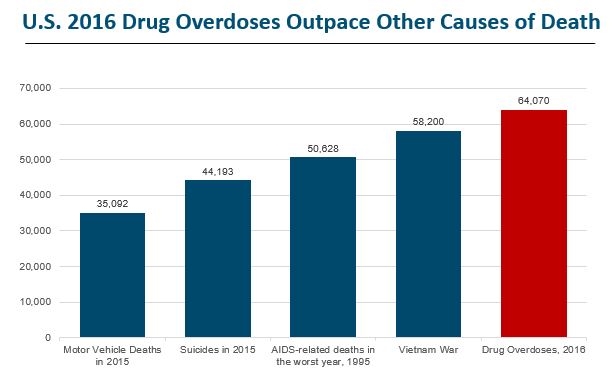
One convincing approach is to compare the number of deaths. When we compare the figure to deaths from car accidents, AIDS, and the Vietnam War, we see that, indeed, the deaths from drug overdoses are significant-at least compared to other death tolls we consider significant.
Here's an example of a simple bar chart to represent these numbers visually.
Image source (pills).
Discussion:
- What other comparisons could work well to convince an audience that drug addiction is a serious issue?
- A different approach is to personalize the crisis. I heard an interview with someone who almost died from an overdose, and he said that, about every six months, someone he knows dies from an overdose of opioids. How compelling do you find this report? What are the potential downsides of using this type of description?
Pizza Hut and Papa John's Jump into NFL Controversy

Should CEOs get involved in political controversies? While some applaud "brand activism," others criticize business leaders who don't agree with their views.
Papa John's CEO has been vocal about the business impact of NFL players not standing during the national anthem. When explaining same-store sales, John Schnatter blamed NFL leadership:
"We are totally disappointed that the NFL and its leadership did not resolve the ongoing situation to the satisfaction of all parties long ago. This should have been nipped in the bud a year and a half ago."
Schnatter also said, "Leadership starts at the top, and this is an example of poor leadership." Schnatter contributed $1,000 to President Trump's election campaign and is aligned with the president's views on the subject. He blamed the "polarizing" actions of team members for causing declining viewership and fewer pizza orders.
But others say NFL viewership was declining long before this political controversy, and Pizza Hut jumped into the conversation. Greg Creed, CEO of Yum! Brands, Pizza Hut's parent company, said the NFL hasn't affected its sales at all.
Daniel Roberts tweeted stock comparisons on Yahoo to show that Papa John's (in red) has been declining for some time. Yum Brands is in blue. But we should be careful about comparing "apples and oranges" here.


Discussion:
- How is the stock comparison flawed? (Hint: What companies are compared?)
- What do you think of Papa John's CEO's statements? Should he stay out of it, or is he right to express his views?
- How is this story an issue of leader integrity?

Dove Takes a Hit for Ad Meant to Show Diversity
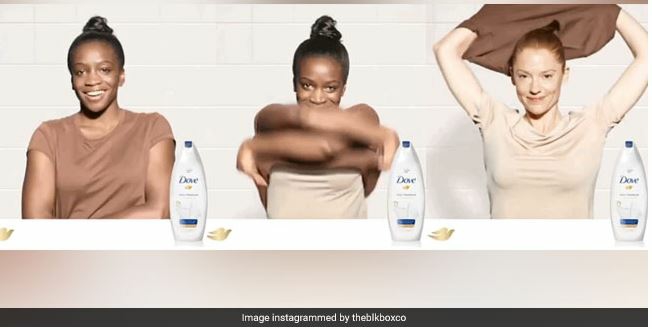 Dove has been touted for its "Real Beauty" campaign that shows real women, not models. But now the company is being criticized for an ad intended to show diversity. The ad includes women taking off a shirt to reveal another woman underneath.
The trouble is that the ad starts with a Black woman to reveal a White woman, implying to many critics that the Black person "got clean" and became White. In the ad, the White woman then takes off her shirt to reveal an Asian woman.
The company apologized and pulled the ad: "Dove is committed to representing the beauty of diversity. In an image we posted this week, we missed the mark in thoughtfully representing women of color and we deeply regret the offense that it has caused." A spokesperson also said the GIF, "was intended to convey that Dove Body Wash is for every woman and be a celebration of diversity, but we got it wrong and, as a result, offended many people."
Earlier this year, Nivea produced an ad, "White Is Purity." People didn't appreciate that one either.
Discussion:
- Dove says it will review its editorial process for creating ads. What changes do you think they could make?
- Some say screenshots of the ad are taken out of context because only the first two women are shown. What's your view?

Toyota Ads Vary by Ethnicity
 Toyota's new advertising approach is to tailor Camry commercials to people based on their assumed ethnicity. If your history shows that you watch Scandal or Sunday Night Football, you'll get a particular ad.
A New York Times article shows the differences for African-American, Hispanic, Asian-American, and "Transcultural Mainstream."

A group vice president for Toyota explains the strategy, "if a person of any group is looking for communication that is like them, that looks like them specifically, the good news is because of the breadth of something like a Camry campaign, they can find it." The NYT article explains more detailed strategies for eight ads targeted to ethnic groups.
Discussion:
- One argument against the tailored ads is that the U.S. is quite diverse, and people expect to see different ethnicities in ads anyway. What do you think?
- Read the strategies for eight examples in the article. Some, of course, are built on stereotypes. Is this wrong or a good marketing approach?

Harvey Weinstein's Plea
 Harvey Weinstein may have worsened his case by sending emails to friends asking for their defense. After several allegations of sexual harassment and at least two charges of assault over decades, the Hollywood producer's board of directors was getting ready to fire him from the company. Not willing to go quietly, Weinstein emailed people, including Jeffrey Katzenberg, the chairman of Walt Disney Studies. But he didn't get the response he was expecting.
Weinstein's email is below. He demonstrates some vulnerability but fails to take full responsibility, instead saying "a lot of the allegations are false as you know":
My board is thinking of firing me. All I'm asking, is let me take a leave of absence and get into heavy therapy and counseling. Whether it be in a facility or somewhere else, allow me to resurrect myself with a second chance. A lot of the allegations are false as you know but given therapy and counseling as other people have done, I think I'd be able to get there.
I could really use your support or just your honesty if you can't support me.
But if you can, I need you to send a letter to my private gmail address. The letter would only go to the board and no one else. We believe what the board is trying to do is not only wrong but might be illegal and would destroy the company. If you could write this letter backing me, getting me the help and time away I need, and also stating your opposition to the board firing me, it would help me a lot. I am desperate for your help. Just give me the time to have therapy. Do not let me be fired. If the industry supports me, that is all I need.
With all due respect, I need the letter today.
Instead, Katzenberg emailed Weinstein and made his response public. In part, he says, "You have done terrible things to a number of women over a period of years," yet Katzenberg calls him a friend and offers his help.
An interesting part of this story is the criticism of men who have come forward with a preface such as, "As a father of two daughters." A writer for Vulture explains this perspective.
Discussion:
- What's your view of Weinstein's letter to his friends? What other approaches could he take knowing his board is planning to fire him?
- How do you assess Katzenberg's response and his choice to make the email public? Is he a bad friend? What is he trying to accomplish for himself and for Weinstein in his response?
- Finally, what's your view of people referencing their wives and daughters? Is the Vulture writer's perspective spot on, too harsh, or something else?
Pro-Life Congressman Resigns
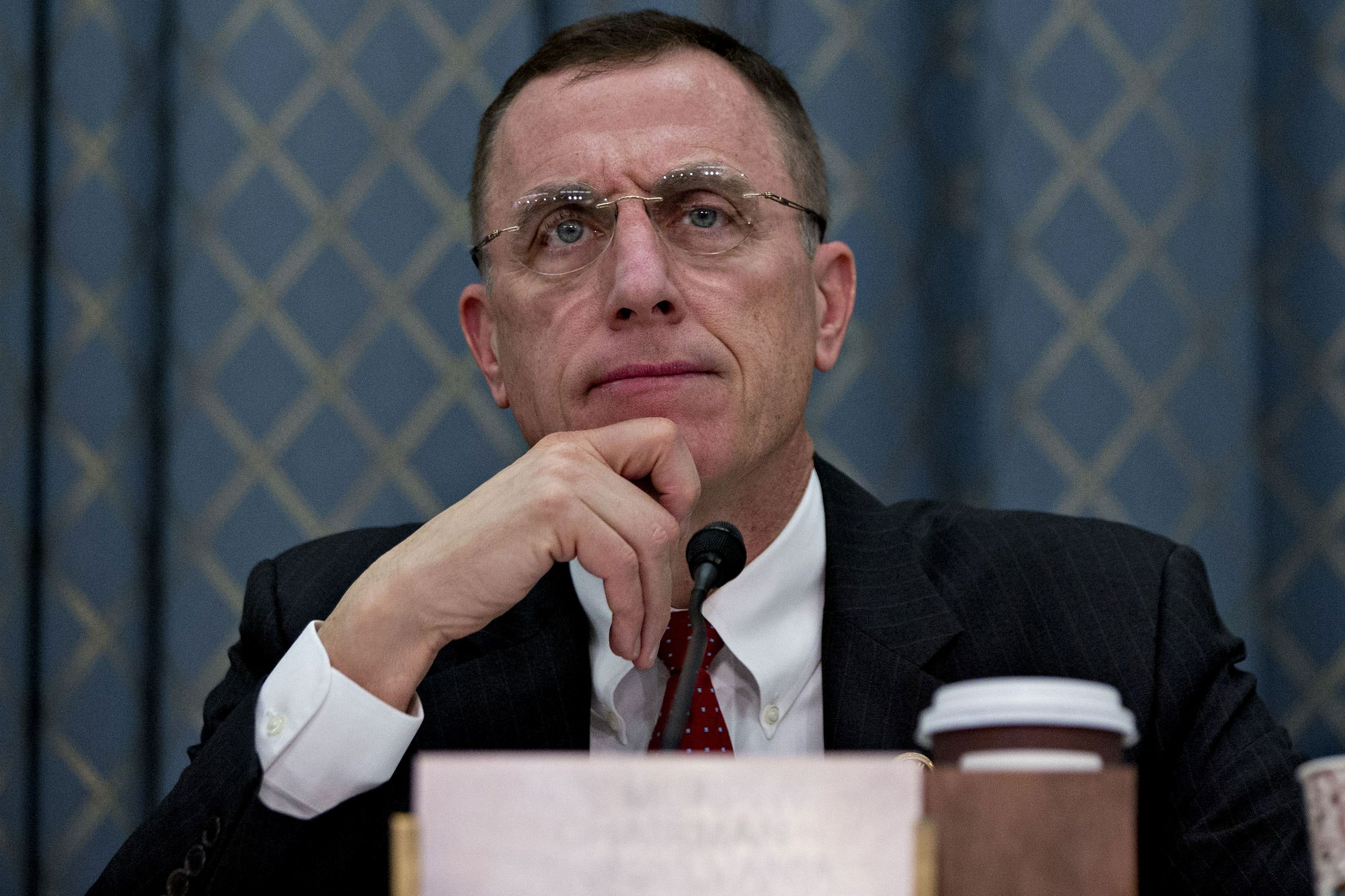
 We might expect a congressman who serves on the U.S. government's House Pro-Life Caucus to be against abortion in his personal life. But Representative Tim Murphy reportedly suggested that his girlfriend get an abortion if she is pregnant.
A women who says she was having an affair with Murphy went public with text messages:
She: "...zero issue posting your pro-life stance all over the place when you had no issue asking me to abort our unborn child just last week when we thought that was one of the options."
He: "I've never written them. Staff does them. I read them and winced. I told staff don't write any more."
Curiously, he didn't dispute her allegation about the abortion request. Pro-life advocates criticized Murphy for his "hypocrisy."
Although the woman wasn't pregnant, Murphy resigned from his position. House Speaker Paul Ryan announced the decision, saying "I think it's appropriate he move on to the next chapter in his life." Murphy said he'll "take personal time to seek help as my family and I continue to work through our personal difficulties."
Murphy also posted a statement on his website:
Statement From Congressman Tim Murphy
For Immediate Release: October 4, 2017
Contact: Carly Atchison 202.225.2301
WASHINGTON, DC - Today Congressman Tim Murphy (PA-18) released the following statement:
"After discussions with my family and staff, I have come to the decision that I will not seek reelection to Congress at the end of my current term.
"I plan to spend my remaining months in office continuing my work as the national leader on mental health care reform, as well as issues affecting working families in southwestern Pennsylvania.
"We have accomplished much in the past year through the Helping Families in Mental Health Crisis Act and there is much work yet to be done.
"In the coming weeks I will take personal time to seek help as my family and I continue to work through our personal difficulties and seek healing. I ask you to respect our privacy during this time."
Discussion:
- Assess Murphy's statement. How well does his address the situation? What else, if anything, could he say, or what could he say differently?
- In what ways is this situation an issue of integrity? Do you see a contradiction, or do you believe Murphy's political stance and personal stance may differ?

Wells Fargo on the Hot Seat Again
 Again, Wells Fargo executives faced angry lawmakers, and again, Senator Elizabeth Warren encouraged the CEO to leave. This time, she told CEO Timothy Sloan, "You should be fired." Last year, around this time, she told former CEO John Stump, "You should resign." She also referred to Stumpf's actions as "gutless leadership."
Senator John Neely Kennedy had tough words for the CEO too:
What in God's name were you thinking? I am not against big, but with all due respect, I am against dumb. I am against a business practice that has puts Wells Fargo first and customers second.
Sloan defended the board and his leadership by saying that a "throughout, independent investigation" has been made public. He said that he's "been making change at this company for 30 years," his actions have resulted in "fundamental change at the company," and that he has "the support of 270,000 people."
Discussion:
- How convincing do you find Sloan's testimony? Should he continue at Wells Fargo or leave the company?
- Analyze Elizabeth Warren's arguments. Do you find her criticism too harsh, on point, or something else?
- From this longer video segment, do you believe Sloan is holding himself accountable? What tells you he takes responsibility, or what else would he need to do to convince you?

NBA Reinforces Rule: Stand for the Anthem
 The NBA is speaking out about the controversy over whether players can "take a knee"-or kneel-during the national anthem, which NFL players have been criticized for doing. In a memo from deputy commissioner Mark Tatum, the message is loud and clear-but hidden towards the end:
"...players, coaches and trainers stand respectfully for the anthem. The league office will determine how to deal with any possible instance in which a player, coach or trainer does not stand for the anthem. (Teams do not have the discretion to waive this rule)."
Most of the memo avoids the issue entirely and instead encourages players to continue to be active within the community.
TO: NBA BOARD OF GOVERNORS, TEAM PRESIDENTS,GENERAL MANAGERS
FROM: MARK TATUM, DEPUTY COMMISSIONER &CHIEF OPERATING OFFICER
CC: LEAGUE OFFICE
DATE: SEPTEMBER 29, 2017
RE: NEXT STEPS: BUILDING STRONGER, SAFER COMMUNITIESAs a follow-up to our discussions at this week's Board of Governors meetings, this document outlines suggested steps each team could take as we prepare for the start of the season and continue to develop impactful community programs.
I. ENGAGING PLAYERS AND SENIOR LEADERSHIP
If you have not done so already, we suggest organizing discussions between players, coaches, general managers and ownership to hear the players' perspectives.
One approach would be for team leadership to review existing team and league initiatives and encourage players to share their thoughts and ideas about them. Following those conversations, teams could develop plans prior to the start of the regular season for initiatives that players and senior leadership could participate in, such as:
- Hosting Community Conversations with youth, parents, community leaders and law enforcement about the challenges we face and our shared responsibility to create positive change.
- Creating "Building Bridges Through Basketball" programs that use the game of basketball to bring people together and deepen important bonds of trust and respect between young people, mentors, community leaders, law enforcement and other first responders.
- Highlighting the importance of mentoring with the goal of adding 50,000 new mentors to support young people through our PSA campaign.
- Engaging thought leaders and partners. A variety of experts, speakers and partner organizations are available to players and teams as you continue these conversations and develop programming.
- Establishing new and/or enhancing ongoing team initiatives and partnerships in the areas of criminal justice reform, economic empowerment and civic engagement.
II. OPENING WEEK
As we approach opening week, each team could explore ways to use their first home game as an opportunity to demonstrate your commitment to the NBA's core values of equality, diversity, inclusion and serve as a unifying force in the community, including:
- A joint address to fans featuring a player or coach prior to the National Anthem. This could include a message of unity and how the team is committed to bringing the community together this season.
- A video tribute or PSA featuring players, community leaders, faith leaders and team leadership speaking about the issues they care about and photos from past community events.
III. KEY MESSAGES
- These are difficult and nuanced issues.
- We support and encourage players to express their views on matters that are important to them.
- The NBA has a rule that players, coaches and trainers stand respectfully for the anthem. The league office will determine how to deal with any possible instance in which a player, coach or trainer does not stand for the anthem. (Teams do not have the discretion to waive this rule).
- Our team's focus remains on unity and collective action that leads to meaningful change in society. The players have embraced their roles in those efforts and we are proud of the work they do in our communities.
- We believe sports are a unifier and this is an opportunity for the NBA to once again lead by its core values of equality, inclusion and unity and to bridge divides and bring people together.
In a video statement, NBA commissioner Adam Silver echoed Tatum's memo. Silver said he expected players to follow the league's rules of standing for the anthem. Although he encouraged freedom of expression, he also said, "It's my hope that our players will continue to use that as a moment of unity."
A writer for Yahoo sports argues that players should be able to take a knee. Part of his argument follows:
Let's be clear: Athletes are not possibly putting their careers at risk, opening themselves up to jeering fans in arenas and on social media, because they are anti-national anthem, anti-flag, anti-America, anti-military or any other "anti" that has been used to diffuse any honest discourse. That those arguments have distracted from the true purpose of this activism only goes to show why it is necessary. Change won't come if no one listens. It certainly won't come if a league that presents itself as progressive and forward-thinking discourages civil methods used to bring about awareness.
Discussion:
- Analyze the NBA memo against principles of business writing. Who are the primary and secondary audiences? What are Tatum's objectives? How does he organize the memo?
- How well does the memo capture the league's perspective? How do you think players might have reacted?
- Analyze Michael Lee's argument in the Yahoo article. What are his strongest and weakest arguments?

Miracles Happen: An Apology from Uber
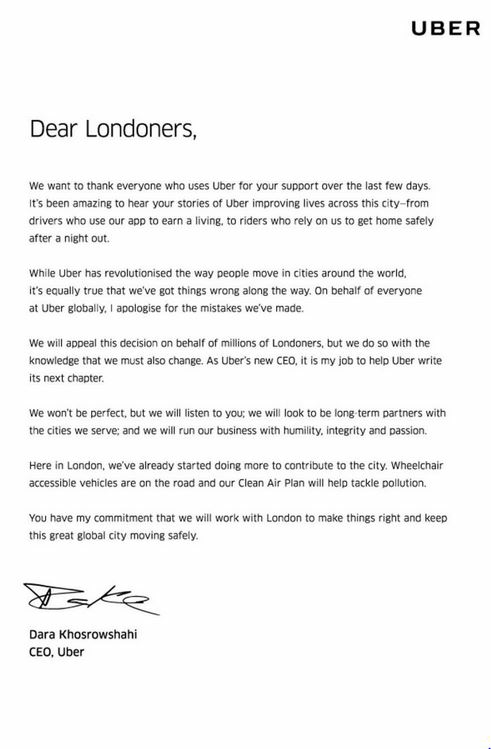
 The typically non-apologetic Uber is apologizing. Two factors likely caused the company's change: 1) a new CEO, and 2) losing its operating license in London.
The new CEO has already demonstrated his vulnerability by talking about his emotions and showing us more of who he is as a person. An article in The Guardian explains why the city decided not to renew the company's license, which expires September 30:
TfL [Tranport for London] said last week Uber was not a "fit and proper" private car-hire operator and cited four areas of concern, including its approach to reporting criminal offences and carrying out background checks on drivers. But sources close to TfL indicated that a change of conduct from the taxi firm, the culture of which is being reformed by its new chief executive, could leave the door open to a fresh licence application.
The London decision is a blow for the ride-sharing company, and Uber is doing what it can to rebuild its image.
London Mayor Sadiq Kahn responded to the apology:
"I welcome the apology from Dara Khosrowshahi, the Uber CEO. Obviously I am pleased that he has acknowledged the issues that Uber faces in London. Even though there is a legal process in place, I have asked TfL to make themselves available to meet with him."
Discussion:
- Assess Khosrowshahi's apology. What works well, and what could be improved? (Hint: What organization principles apply?)
- What is the value of an apology? In this case, how does Uber's apology help its position with London?

Updates About the Florida Nursing Home
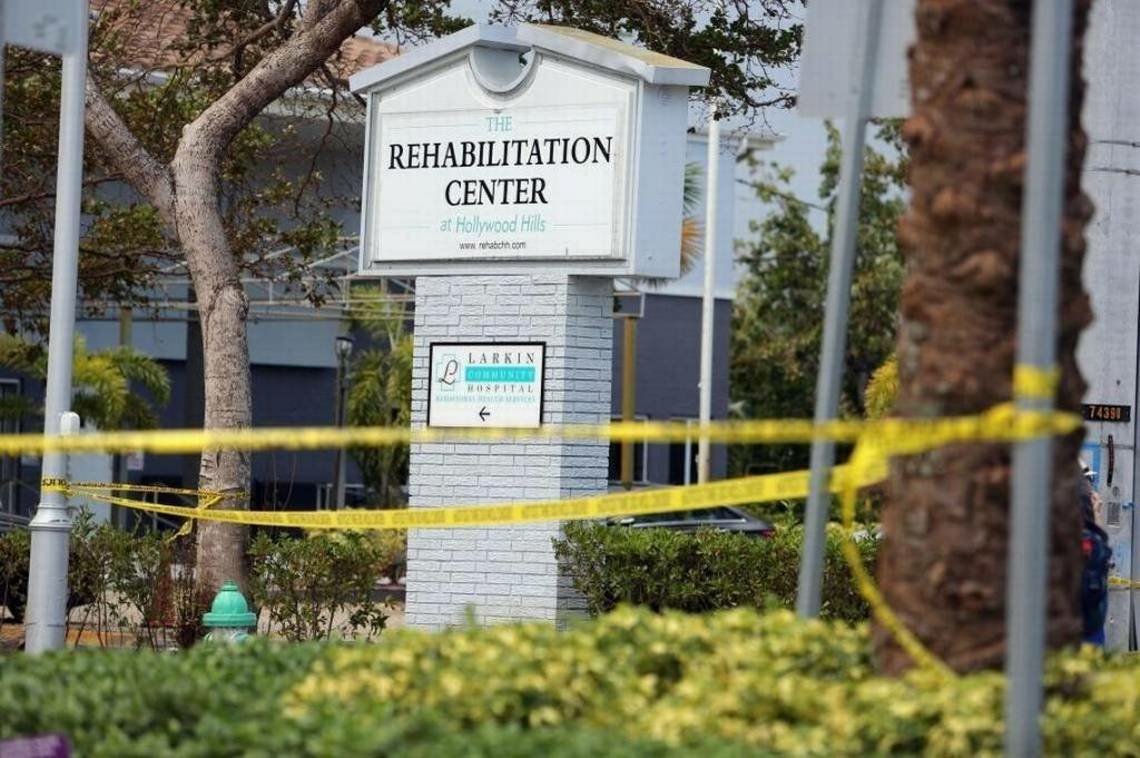 New information has surfaced about patient deaths at the Rehabilitation Center at Hollywood Hills. The toll is up to 11 residents, who died from heat exhaustion, heart failure, and other issues related to extreme heat at the facility.
Now we have new questions about accountability. Administrators at the facility made several calls to Florida Power and Light (FPL) requesting they restore power. Some parts of the facility had lost power, including a transformer needed to run the air conditioning. Although they were told that help was on the way, FPL didn't arrive for days.
Another turn in the story is about Governor Rick Scott's responsibility. Before the storm, he gave his cell number to nursing homes and encouraged them to call with emergencies.Because they didn't get a response from FPL, rehab center administrators left a message on Scott's cell phone. The call was returned, and administrators were told to call 911, which they did. When they still didn't get assistance, they called Scott's cell two more times. The governor's office released a statement:
"Every call made to the Governor from facility management was referred to the Agency for Health Care Administration and the Florida Department of Health and quickly returned."
FPL also released a statement about the case:
"The tragic and senseless loss at Hollywood Hills Rehabilitation Center is the subject of a criminal homicide investigation by law enforcement," the DOH [Department of Health] noted. "Let's be clear – this facility is located across the street from one of Florida's largest hospitals, which never lost power and had fully operating facilities. It is 100 percent the responsibility of healthcare professionals to preserve life by acting in the best interest of the health and well-being of their patients."
FPL spokesperson Peter Robbins also said, "What we know now is that a portion of the facility did, in fact, have power, that there was a hospital with power across the parking lot from this facility, and that the nursing home was required to have a permanently installed, operational generator."
The nursing home is under criminal investigation and has lost its license to operate and its ability to accept Medicare funding.
Discussion:
- How is this story an issue of accountability, integrity, and compassion? What failures contributed to the deaths?
- How well did the FPL and governor respond to criticism? How convincing do you find their statements?
- Critics say the rehab center staff should have moved residents, for example, to the hospital across the street. What's your view of their responsibility?

Coca-Cola Works on Brand Image
 You won't hear the word "soda" in this Coca-Cola ad. The company is focusing on corporate advertising and trying to associate the brand with good things, such as employing people throughout the United States.
In the video, the narrator says, "We make much more than our name suggests," for example, tea and juice. The commercial emphasizes water sustainability and helping people go to college.
Clearly, the company is downplaying its connection to soda because of research and negative press. A Harvard nutrition page summarizes research linking sugary drinks to heart disease, type 2 diabetes, and other health problems. The site encourages people to choose different beverages.
Discussion:
- How closely is the Coca-Cola name tied to soda? What else could the company do to improve brand image and perception of social responsibility?
- What's your assessment of the commercial? What are the objectives, and does the ad meet them?
- To what extent is the commercial an issue of integrity? Is the company consistent and whole?

Talking About Climate Change: Too Soon?
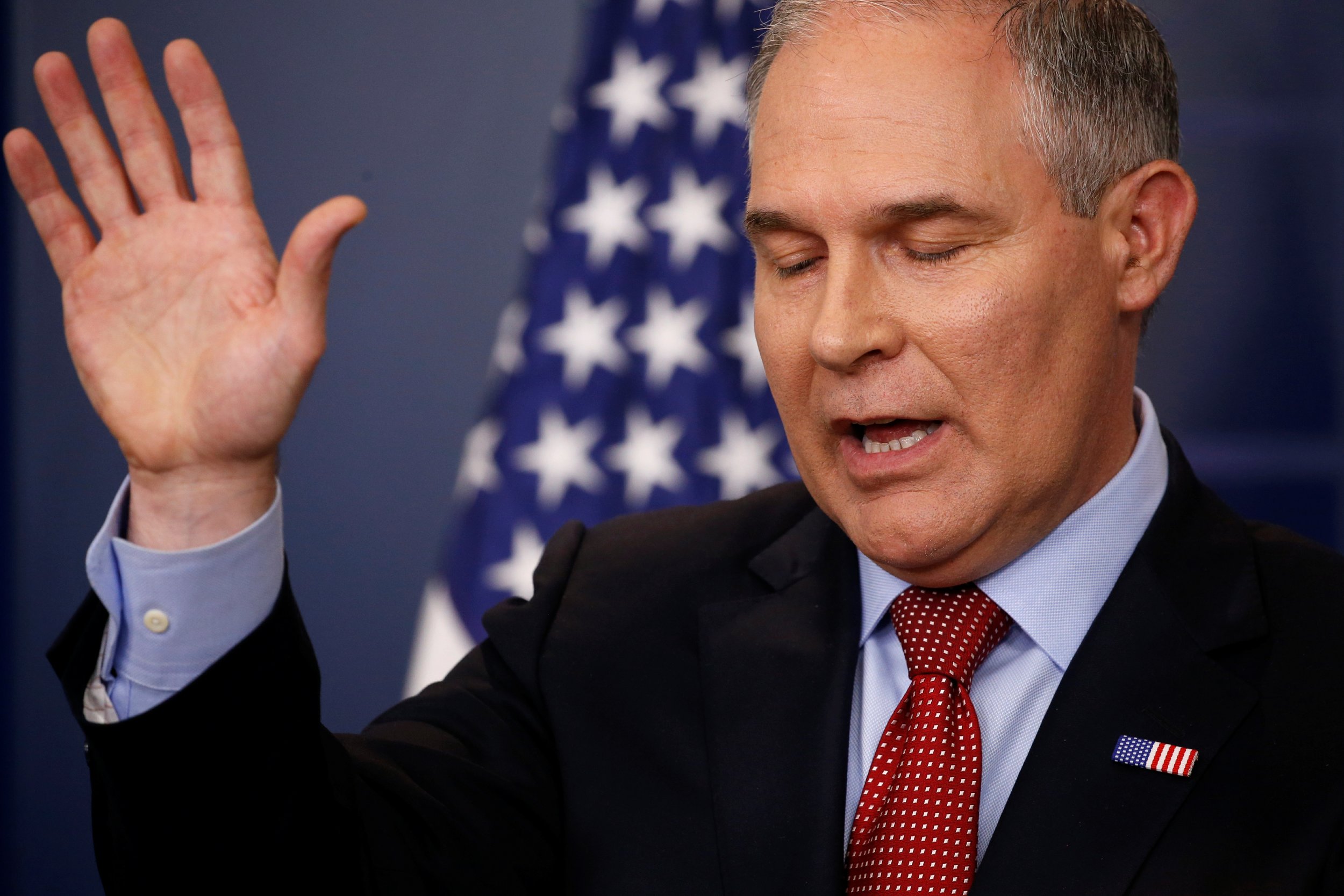 EPA chief Scott Priutt says it's "insensitive" to talk about climate change as people are wrestling with hurricanes. The response follows a request from Miami Mayor Tomás Regalado the Friday before Hurricane Irma hit Florida:
"This is the time to talk about climate change. This is the time that the president and the EPA and whoever makes decisions needs to talk about climate change," said Regalado, who flew back to Miami from Argentina Friday morning to be in the city during the storm. "If this isn't climate change, I don't know what is. This is a truly, truly poster child for what is to come."
Pruitt said,
"To have any kind of focus on the cause and effect of the storm versus helping people, or actually facing the effect of the storm, is misplaced," and "To use time and effort to address it at this point is very, very insensitive to this people in Florida."
Pruitt has also said that he doesn't believe that carbon dioxide emissions is a major contributor to climate change. Scientists report changing "climate change" in their documentation to other words.
In a Los Angeles Times opinion article, "Harvey and Irma say this is the right time to discuss global warming," the reporter calls Pruitt's response "patently absurd." He compares the hurricanes to shootings, when it is the right time to talk about gun control.
Discussion:
- What's your view? Should we discuss climate change as the hurricanes are happening? What are the arguments on both sides?
- How, if at all, might your opinion change if you or your family were victims of the hurricane?
- For leadership character, this could be an issue of accountability and compassion. How do you see these dimensions playing a role in the debate?