New Facebook Policies for Targeted Ads

TempFacebook is taking responsibility for ads that target audiences based on self-reported information. In their profiles, users wrote descriptions about their hatred of certain groups, and ads displayed for them based on that quality.

Identifying hate groups wasn't the original intent of targeted ads, which Facebook describes as a way to "Connect with the people who will love your business." Yet an article in Verge says the "problems were baked in from the start." The design did allow people to choose a way to identify, and the descriptors weren't monitored.

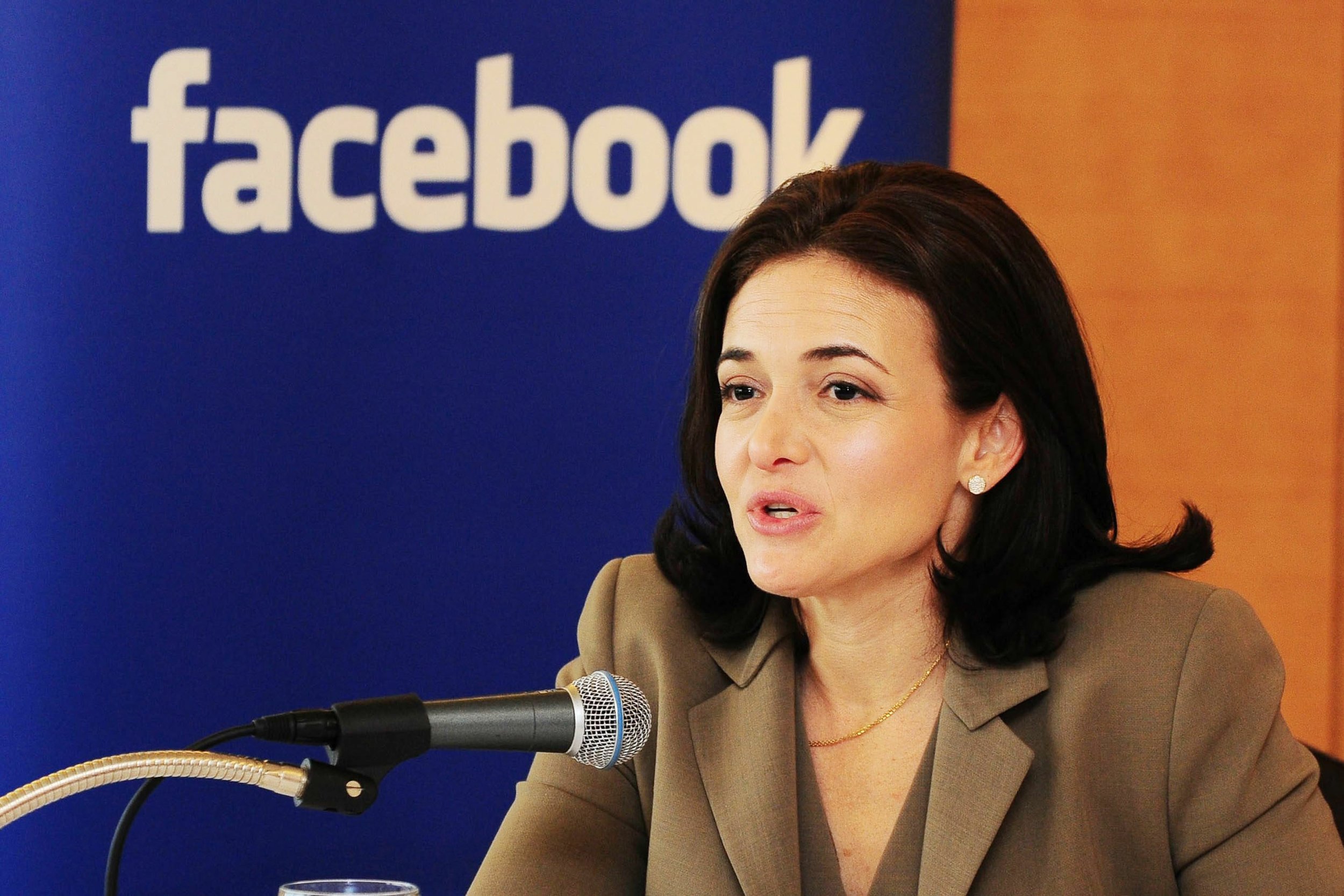
COO Sheryl Sandberg expressed her disappointment:

"Seeing those words made me disgusted and disappointed – disgusted by these sentiments and disappointed that our systems allowed this," Sandberg said in a Facebook post. "Hate has no place on Facebook – and as a Jew, as a mother, and as a human being, I know the damage that can come from hate. The fact that hateful terms were even offered as options was totally inappropriate and a fail on our part."

"We removed them and when that was not totally effective, we disabled that targeting section in our ad systems."

She also talked about how Facebook's internal systems failed:

"Such targeting has always been in violation of our policies and we are taking more steps to enforce that now," Sandberg said. "We never intended or anticipated this functionality being used this way – and that is on us. And we did not find it ourselves – and that is also on us."

Image source.

Discussion:

  • What responsibility does Facebook have in this situation? Should the company have been monitoring people's descriptors and how ads targeted specific groups?
  • What else, if anything, should the company do now?
Read More

News Conference about Deaths at Florida Nursing Home

TempEight people died in a nursing home from heat after Hurricane Irma. Local police, the medical director of a nearby hospital, and the city mayor held a news conference to describe the situation. Although the video references six people, two additional have died for a total of eight at Rehabilitation Center at Hollywood Hills. No one was present from the facility.

Florida Governor Rick Scott called the situation "unfathomable" and "inexcusable." The facility didn't lose power, but the air conditioning wasn't working. It's not clear why people weren't transferred to another facility, for example, the hospital across the street. Patients died of heart attacks, dehydration, and other issues related to the extreme heat.

Critics say that some business in Florida, such as gas stations, are required to have backup generators, but this is not the case for nursing homes. A criminal investigation has begun. The owner of the facility has a criminal past involving kickbacks; the case was settled for $15.4 million

At this point, the facility has been evacuated, and people are being accommodated at other locations.

Image source.

Discussion:

  • Who should be held accountable in this situation?
  • Assess the three statements in the news conference. How appropriate was each to the person's role?
  • We're obviously missing someone from the rehabilitation facility. Would representation help or hurt their case?
  • For the questions we hear in English, how well does the police chief respond? What strategies does he use to deflect questions he can't or won't answer?
Read More

Talking About Climate Change: Too Soon?

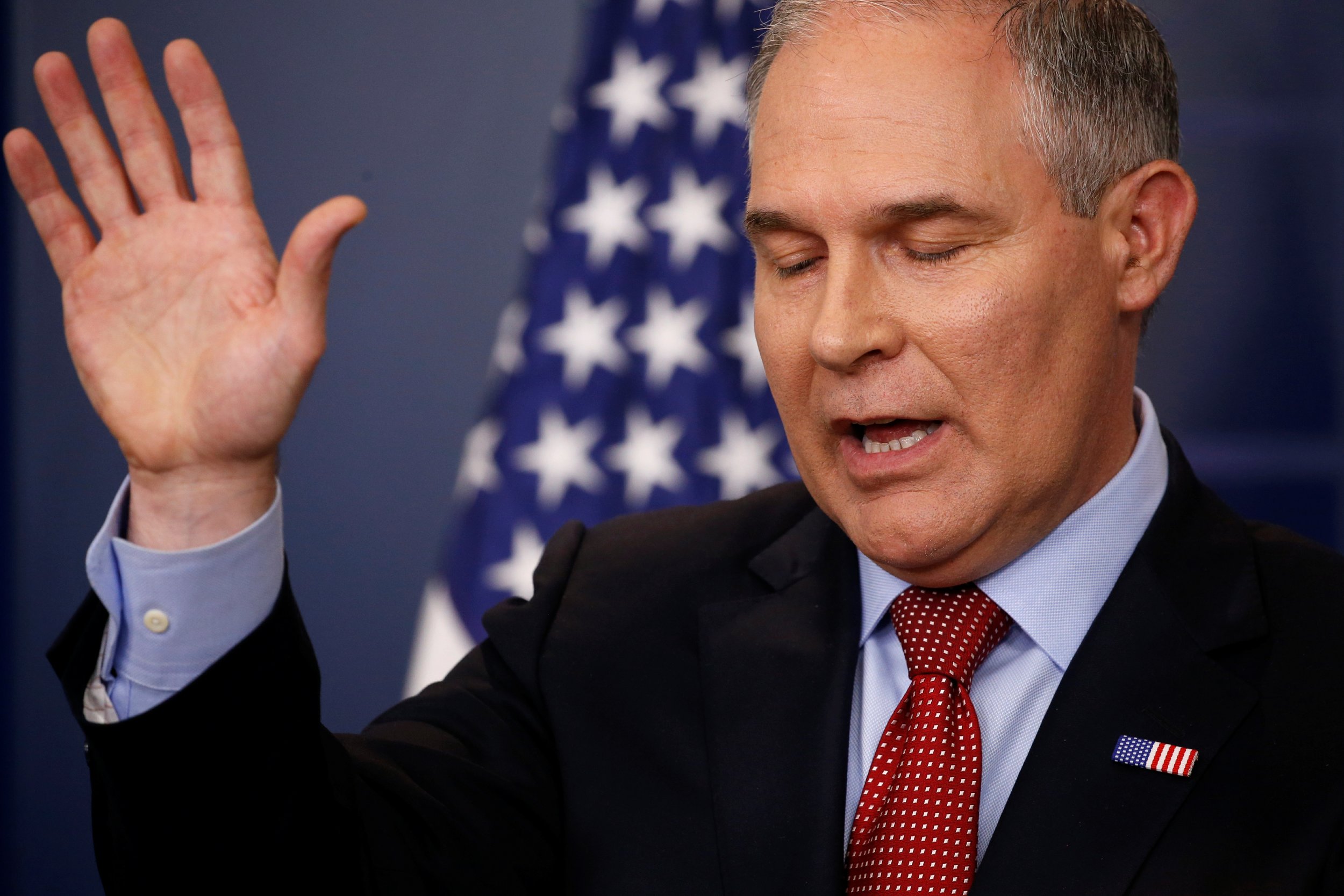
TempEPA chief Scott Priutt says it's "insensitive" to talk about climate change as people are wrestling with hurricanes. The response follows a request from Miami Mayor Tomás Regalado the Friday before Hurricane Irma hit Florida:

"This is the time to talk about climate change. This is the time that the president and the EPA and whoever makes decisions needs to talk about climate change," said Regalado, who flew back to Miami from Argentina Friday morning to be in the city during the storm. "If this isn't climate change, I don't know what is. This is a truly, truly poster child for what is to come."

Pruitt said,

"To have any kind of focus on the cause and effect of the storm versus helping people, or actually facing the effect of the storm, is misplaced," and "To use time and effort to address it at this point is very, very insensitive to this people in Florida."

Pruitt has also said that he doesn't believe that carbon dioxide emissions is a major contributor to climate change. Scientists report changing "climate change" in their documentation to other words.

In a Los Angeles Times opinion article, "Harvey and Irma say this is the right time to discuss global warming," the reporter calls Pruitt's response "patently absurd." He compares the hurricanes to shootings, when it is the right time to talk about gun control.

Image source.

Discussion:

  • What's your view? Should we discuss climate change as the hurricanes are happening? What are the arguments on both sides?
  • How, if at all, might your opinion change if you or your family were victims of the hurricane?
  • For leadership character, this could be an issue of accountability and compassion. How do you see these dimensions playing a role in the debate?
Read More

Bank of America and Other Companies Step Up

TempBank of America and other companies are lending support following Hurricane Harvey. In addition, Houston-area companies have been generous in giving employees time off and resources to get their houses and lives back in order, as much as possible. A Wall Street Journal article questions how long this generosity will last, but for now, employees have some much needed help.

Airlines in Florida have capped or reduced fares for people needing to evacuate, which of course, is the right thing to do. We saw businesses practice price gouging during Harvey, and the publicity wasn't good. 

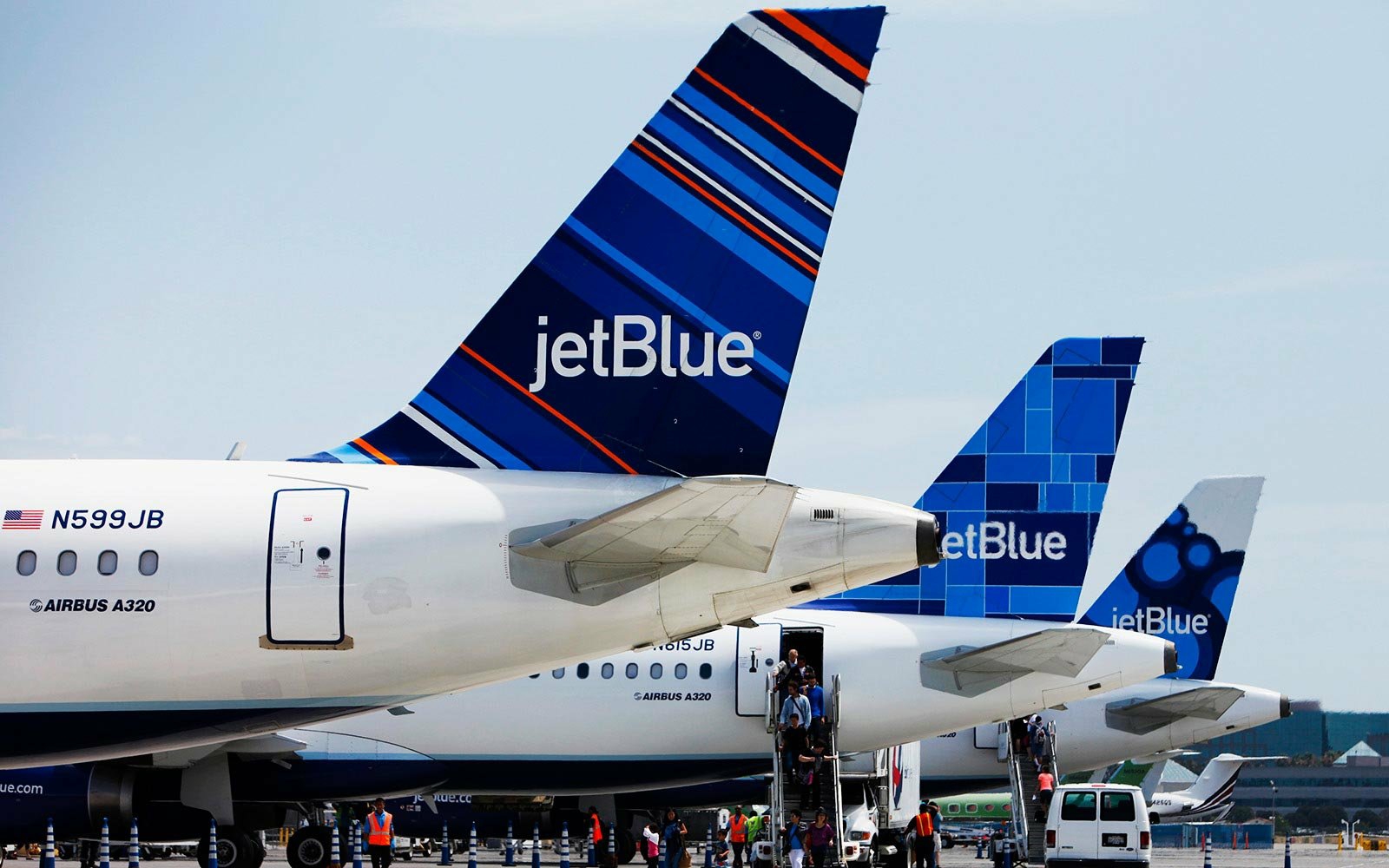
During Hurricane Irma, JetBlue, for example, dropped fares to $99 or $159, and American Airlines and Delta promised to keep lower fares through September 15. This will be helpful to people returning to the area and to others traveling to help.

Delta corrected at least one issue and blamed Expedia for listing a high price. A customer tweeted, "Shame on you @delta. Jacking from $547 to over $3200 for people trying to evacute (sic) responsibly?" Delta corrected the problem for this traveler and a spokesperson told BuzzFeed, "When they reached out directly to Delta, she was given a much lower fare. We're looking into why Expedia listed that price, but it was not the correct fare. We have not increased any fares in response to the hurricane. In fact, as the storm approach we reduced the price level of our highest fare."

Image source.

Discussion:

  • What other positive examples have you seen from businesses?
  • What do you see as the role of business during a natural disaster? What are the advantages and downsides of businesses getting involved and offering help?
Read More

Equifax Statement About Security Breaches

TempA cyberattack on credit reporter Equifax revealed personal information about 143 million people. What makes this breach worrying is the type of information that was stolen: Social Security numbers, birth dates, addresses and, driver's license numbers.

On the home page of its website, Equifax has a red post directing readers to a statement for more information. They are also offering identity protection for people affected.

Temp

But the company isn't making it easy. When I entered my information, I saw a message that I may be affected, and then I saw the message at right, saying, in order to enroll, I would need to revisit in 4 days for some reason. Temp

The company fixed another criticism: if you signed up for their protection, there was some question about whether you were waiving rights to sue. The company clarified: "In response to consumer inquiries, we have made it clear that the arbitration clause and class action waiver included in the Equifax and TrustedID Premier terms of use does not apply to this cybersecurity incident."

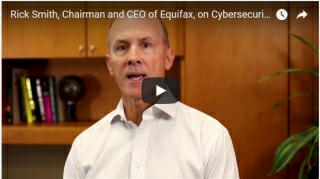
Overall, the company is accepting responsibility. The Chairman and CEO Rick Smith explained the situation on a video.

Discussion:

  • Assess Equifax's statement. What principles of bad news are followed, and how could it be improved.
  • Now assess Rick Smith's video statement. Consider the question above as well as delivery skills.
Read More

Comms About Hurricane Harvey

TempAs Texas prepares for Hurricane Harvey, government officials and news organizations are preparing communications to help:

  • President Trump issued a statement about monitoring the storm and encouraging people to evacuate if they are in the Hurricane's path. The president is also tweeting about the storm.
  • His statement points to Ready.gov, a website rich with resources for preparing families in case of flooding, hurricanes, or extreme heat.
  • CNN's website shows live updates of the storm's path.
  • The National Hurricane Center is posting coastal warnings and a visual of the cone.
  • Texas Governor Greg Abbott was interviewed by BBC and is hosting a meeting to plan emergency operations. (His website includes a tweet but nothing else yet about the storm.)

And, of course, the media is covering the storm with bold headlines:

Image source.

Discussion:

  • Explore Ready.gov. What do you notice about the key messages, organization, and use of visuals? How easy is it to find information?
  • Ready.gov, as of now, doesn't feature Hurricane Harvey; it's generic. Should the site be updated to feature the storm? Why or why not?
  • Also explore Governor Abbott's website. Does this site feature the hurricane yet? How do you think the hurricane should be positioned here?
Read More

Irvine Finds Room for Admitted Students

TempUniversity of California, Irvine, is trying to do right by 800 students who accepted the college's admissions offer above the expected number. When making admissions decisions, colleges always consider their "yield," or the percentage of students who will enroll. Admissions officers admit more students than they have space for, assuming some won't come because of financial reasons or school preference.

Initially, Irvine rescinded offers from about 500 students, but it was too late for them to enroll in other schools by that time. They informed students during the summer about transcript and other issues, which happens in a few cases each year, but this is an extraordinary number.

Then university administrators began softening. They admitted that they used standards that were too strict in order to lower their enrollment numbers. The vice chancellor wrote a message to students, including this excerpt:

We heard from some students that this year's process was too stringent and our customer-service approach needs improvement. I acknowledge that we took a harder line on the terms and conditions this year and we could have managed that process with greater care, sensitivity, and clarity about available options. Also contributing to the angst many of you have experienced is our traditional communication and outdated telephone systems that did not serve us well in this circumstance. For those who felt ignored or mistreated, I sincerely apologize.

We are making every effort to do better, immediately. I have directed the admissions team to step up the personal outreach to notified students. We're bringing in more people to review appeals and answer phones. We are committed to correcting any errors swiftly and providing the help you need in an empathetic and understanding way.

A few days later, Irvine's chancellor also apologized, and the university found a way to accommodate 290 more students. His message included this excerpt:

The stories of our students whose college dreams were crushed by our decision to withdraw admissions to hundreds of students are heartbreaking. And unacceptable.

This process is not working. We are a university recognized for advancing the American Dream, not impeding it. This situation is rocking us to our core because it is fundamentally misaligned with our values.

The apology is notable because we see so few of them from university presidents. Writers for The New York Times and Insider Higher Ed commented on the rarity of apologies, partly because of the complexity of academic institutions.

Image source.

Discussion:

  • Analyze the chancellor's and vice chancellor's messages. What communication principles do they use? How do the messages compare in content, tone, word choice, and organization?
  • What should Irvine have done differently in this situation? What are all of the touch points with students that could have been improved?
Read More

Communication Gaps Found Between Doctors and Home Health Care Nurses

TempThe findings aren't surprising for anyone who has cared for an elderly parent (as I have). Researchers at University of Colorado Anschutz Medical Campus identified major communication gaps when a patient is released from the hospital. 

According to the study, published in Journal of General Internal Medicine, discrepancies in medication lists and a lack of accountability are key problems that cause issues for patients. Home health care agency workers also report difficulty in contacting physicians. Study authors identify the following solutions:

  • Hospitals and primary care physicians could provide HHC agencies direct access to Electronic Medical Records and direct phone lines to doctors.
  • Enact laws allowing nurse practitioners and physician's assistants to write HHC orders. A bill was under consideration to do this but was not acted upon by Congress.
  • Clearly establishing accountability for hospital clinicians to manage HHC orders until a primary care physician can see a patient and help HHC nurses with questions.
  • Create better communication methods with PCPs to ensure safer transitions

A page on the Family Caregiver Alliance website offers advice for patients when preparing for a medical appointment, meeting with a doctor, spending time in emergency rooms, and, as this study focuses on, "Transitions to Home or Facility: Communications at Discharge Time." The site offers good advice, such as keeping a medical notebook and contacting advocacy groups.

An article in the Journal of Clinical and Diagnostic Research recommends ways for doctors to improve their communication. The advice will sound very basic to students of business communication, for example, "patient listening, empathy, and paying attention."

Image source.

Discussion:

  • What are your positive and negative experiences when communicating with medical professionals? What improvements would you recommend?
  • Communication gaps during transitions are common. What other examples can you identify (for example, transitioning from high school to college)?
Read More

Walmart Apologizes for Racist Description

TempWalmart blamed a seller for a racist description of a hair weaving net. The blurb included the "N-word" as an adjective with "brown" for the product color.

Walmart removed the description and issued an apology, shown here.

TempThe seller, Jagazi in the United Kingdom, said someone was using its name to sell products on Walmart's website. Jagazi wrote a statement denying connection with the product but didn't mention the racial slur.

We woke up this morning to the news that someone has used our name, Jagazi, to list an item. Please beware that we are reporting this to as many people as we can and trying to get all the listings pulled down. The real Jagazi is a 100% black company for black people. People have often used our brand name to try and sell their products. Please be aware. Very sorry for all the distress this has caused. We are feeling the pain here as well. Most shocking!
 

An AOL article author criticizes Jagazi for "indicating some offense to the racial slur and much offense to someone selling fake Jagazi on Walmart's website." Do you agree or disagree?

Image source.

Discussion:

  • How does a mistake like this happen?
  • How well did Walmart handle the apology? Should the company take more responsibility? Why or why not?
  • Assess Jagazi's response. What, if anything, should Jagazi have done differently?
  • The AOL article has a punctuation error. Can you find it?
Read More

YouTube Continues to Fight Extremist Videos

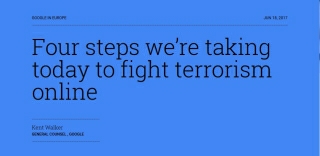
Google logoGoogle announced new policies to fight offensive and inappropriate videos on YouTube and other sites. The company is responding most recently to videos promoting terrorism.

When videos violate community guidelines, they will be immediately removed. In addition, in a blog post, the company identified four new strategies:Google blog post

  • Increasing technology to find terrorism-related videos
  • Expanding the network of people and organizations to flag videos
  • Applying restrictions to "inflammatory religious or supremacist content"
  • Expanding its "role in counter-radicalization efforts"

The third point is interesting. Judging a video for removal is difficult, so Google will diminish potentially damaging content by posting a warning and not allowing comments, endorsements, or monetization (they can't accept advertising). General Counsel Kent Walker writes, "That means these videos will have less engagement and be harder to find. We think this strikes the right balance between free expression and access to information without promoting extremely offensive viewpoints."

Discussion:

  • Analyze Walker's blog post. Who is the audience, and what are his communication objectives? How would you describe the writing style? What organizational strategy does he use?
  • How well do you think Google is balancing freedom of expression with damage and complaints from advertisers?
  • What are the potential dangers of Google's new policy? What are the benefits?
Read More

Hyundai's Whistleblower

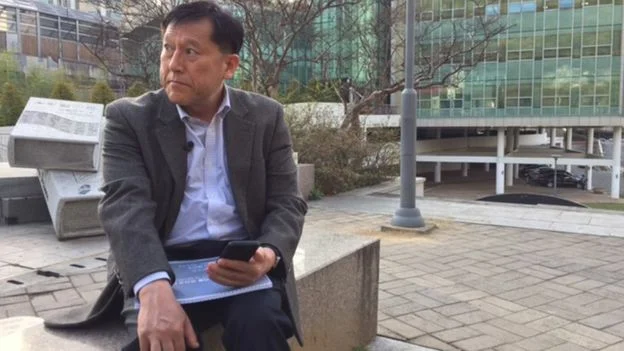
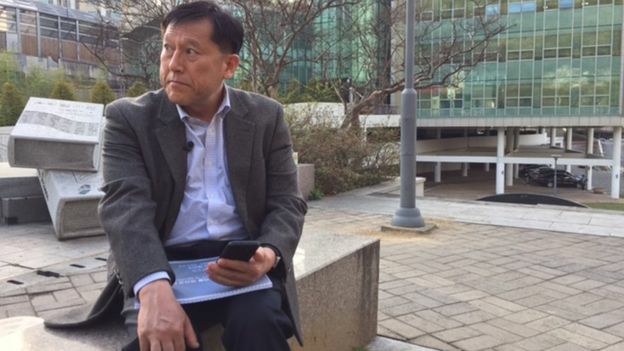
KimKim Gwang-ho took a big risk revealing safety issues at Hyundai, his employer for the past 26 years. The engineer reported failures in proper engine checks that could prevent accidents. Whistleblowing is extremely rare, as Kim describes, "I will be the first and last whistleblower in South Korea's auto industry. There are just too many things to lose." He also said, "I had a normal life and was better off, but now I'm fighting against a big conglomerate."

Hyundai denied allegations in a statement, as reported by Reuters: "The company promotes openness and transparency in all safety-related operations, and its decisions on recalls comply with both global regulators and stringent internal processes."

The company also defended its practices, arguing that they were investigating issues before Kim raised them: "Hyundai has taken appropriate steps to ensure safety, quality and compliance with applicable regulations in our markets, including all recalls Hyundai has conducted to date."

Meanwhile, investigators raided Kim's house and confiscated some documents. Kim said, "At first my wife asked me not to do it. She was worried about living costs if I'm fired. But I'm stubborn, and persuaded her that the problems will be buried forever without my confession."

But the company eventually rehired him and reimbursed him for lost work time.

Kim's complaints did inspire the South Korean government to mandate a recall-the first in the country's history. In addition to the 1.5 million cars voluntarily recalled by the Hyundai and Kia, the government requirement adds another 240,000 to the list. 

Image source.

Discussion:

  • Analyze how Hyundai is handling this situation and the statements made so far. What could be improved?
  • How believable do you find Hyundai's responses? Based on what language or other criteria are you forming your opinion?
Read More

Facebook Staffs Up

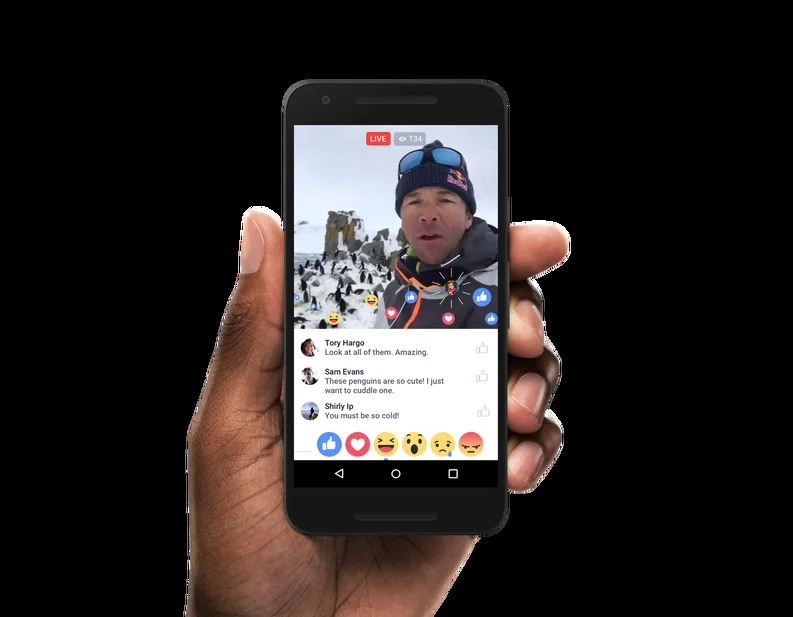
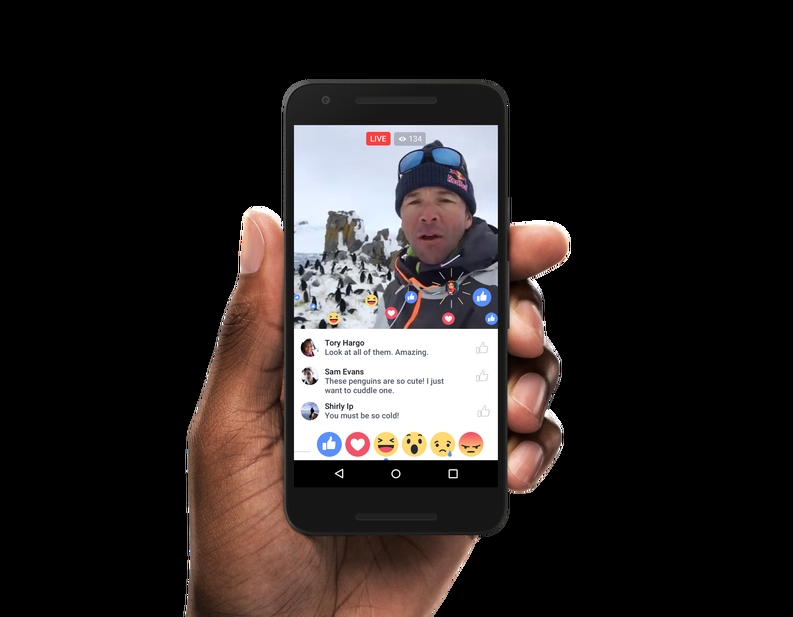
FB live videoFacebook is taking more action in response to criticism about fake news, offensive posts, and violent videos. The company will hire 3,000 more people to monitor videos, hoping to avoid another situation like the one when a man recorded himself murdering another man.

In a Facebook post, CEO Mark Zuckerberg wrote, 

"Over the last few weeks, we've seen people hurting themselves and others on Facebook - either live or in video posted later. It's heartbreaking, and I've been reflecting on how we can do better for our community.

"If we're going to build a safe community, we need to respond quickly. We're working to make these videos easier to report so we can take the right action sooner - whether that's responding quickly when someone needs help or taking a post down.

"Over the next year, we'll be adding 3,000 people to our community operations team around the world -- on top of the 4,500 we have today -- to review the millions of reports we get every week, and improve the process for doing it quickly."

COO Sheryl Sandberg commented on the post: "Keeping people safe is our top priority. We won't stop until we get it right."

Some say the move reflects Facebook's disappointment in artificial intelligence (AI). The long-term goal is to develop the technology so it can adequately identify and remove inappropriate content. But that may be a way off.

Discussion:

  • Assess Zuckerberg's post. Who is the audience, and what are his communication objectives? What works well, and what could be improved?
  • What else, if anything, can Facebook do to address these serious issues?
Read More

United Announces New Policies

United actionUnited Airlines CEO Oscar Munoz has found some strength and a way out of the situation that angered so many around the world. The company admits that dragging a man off of a flight two weeks ago wasn't the best way to make room for four United employees.

The company has published "Changes We're Making" in an email to loyalty members, in videos, on its website, in a report, and in an interview with NBC News. The website statement begins as follows:

We are making changes to ensure that we always put customers first

By United Airlines

Earlier this month, we disappointed our customers and ourselves when a passenger was forcibly removed from one of our planes. We can never say we are sorry enough for what occurred, but we also know meaningful actions will speak louder than words.

We committed to take action as a result of this incident, and today marks the first step in changing how we fly, serve and respect our customers.

 In the email with the subject line, "Actions Speak Louder than Words," United summarized its most significant policy changes:

We will increase incentives for voluntary rebooking up to $10,000 and will be eliminating the red tape on permanently lost bags with a new "no-questions-asked" $1,500 reimbursement policy. We will also be rolling out a new app for our employees that will enable them to provide on-the-spot goodwill gestures in the form of miles, travel credit and other amenities when your experience with us misses the mark. 

The $10,000 offer for re-booking is particularly clever: it's a generous amount, and it's unlikely the airline will have to pay that much.

Meanwhile, the airline settled with Dr. Dao for an undisclosed amount. Good idea to end the nightmare. The last thing United needs is more publicity about the case.

Discussion:

  • How are they doing? Analyze the audience, communication objectives, content, and writing and presentation styles. Also consider the timing and policy changes.
  • Read the full report. Which principles of report writing are allowed, and what could be improved?
  • To what extent will these communications and policy changes affect United's image?
Read More

Altercation on American

American AirEmotions are running high on airplanes. An altercation on an American flight-captured on video, of course-resulted in an employee's suspension.

Apparently, a flight attendant took a stroller forcefully from a woman, hitting her with it. The woman is seen crying, upset that the stroller also just missed her baby. The conflict arose because the woman wanted to keep the stroller with her in the back of the plane, and the attendant wouldn't allow it.

At some point, another passenger got involved and said to an attendant, "You do that to me and I'll knock you flat." An altercation ensues and the flight attendant can be heard saying back to the passenger, "Hit me! Come on, bring it on."

After the United incident when a man was dragged off the plane, American Airlines had to take decisive action. The airline suspended the employee, upgraded the woman and her family to first class on their next flight, and issued a statement:

"We are deeply sorry for the pain we have caused this passenger and her family and to any other customers affected by the incident."

The Association for Professional Flight Attendants (the union) spoke out against American Airlines for acting too quickly. Instead, the president blamed airline conditions, such as shrinking seats and overcrowding, for part of the issue. 

Image source.

Discussion:

  • Have we all gone mad? Who are the actors in this play, and what responsibility does each hold? In other words, could this scene have been avoided?
  • Assess the airline's response. To what extent do you think the United incident affected the response? Either way, did the company respond appropriately?
Read More

Choate Apologizes for Sexual Abuse

Choate
Choate

Private school Choate Rosemary Hall, in Wallingford, CT, has uncovered sexual abuse by 12 faculty members. According to a report commissioned by the board of trustees, abuse going back to the 1960s was mishandled:

"Sexual misconduct matters were handled internally and quietly. Even when a teacher was terminated or resigned in the middle of the school year because he or she had engaged in sexual misconduct with a student, the rest of the faculty was told little and sometimes nothing about the teacher's departure and, when told, was cautioned to say nothing about the situation if asked."

Some faculty were given recommendations to transfer to other schools.

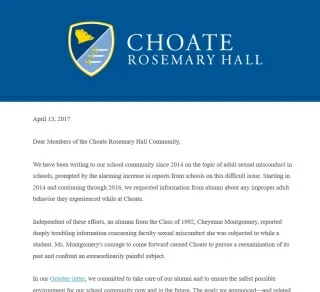
In a "Message to the Choate Rosemary Hall Community," posted on the website, the board chair and headmaster review the facts, thank the victims for coming forward, apologize, and promise action. The school hired Rape, Abuse & Incest National Network (RAINN) to review its policies and make recommendations. One conclusion in the letter follows:

RAINN has noted the strength of Choate's current confidentiality, amnesty, retaliation, and mandatory reporting policies; progressive training and education for students; and faculty and staff who are caring, empathetic, and supportive while preventing and responding to sexual misconduct on campus. Their recommendations call for continued codification of policies and procedures for reporting and investigating incidents, further review and refinement of adjudication processes, and additional training for faculty and staff who respond to incidents of sexual misconduct. We believe a commitment to constantly improving standards will provide more understanding and protection for our students.

Discussion:

  • I'm skeptical reading the excerpt above. So, your policies are great? You just need to follow them? And of course, you need to do training, which everyone seems to say in these situation. Read the entire letter and form your own opinion. Am I too harsh?
  • Should Choate have this letter prominently on its website? I followed a link from The New York Times, but I don't see any reference to the statement. What are the arguments for and against posted something, say, on the home page?
Read More
Accountability, 07: Persuasive Amy Newman Accountability, 07: Persuasive Amy Newman

Facebook Responds to Video of a Murder

FB imageFacebook is on the defense after a video of a murder was posted to the site. Steven Stephens filmed himself shooting a 74-year-old man for no reason except a dispute with his girlfriend, and he said it was his fourteenth killing. Stephens shot himself as police where closing in after a tip from McDonald's drive-thru employees.

Facebook is criticized for taking more than two hours to remove the video. CEO Mark Zuckerberg extended his sympathy to the victim's family: "Our hearts go out to the family and friends of Robert Godwin Sr., and we have a lot of work - and we will keep doing all we can to prevent tragedies like this from happening."

On its website, the company posted an article, "Community Standards and Reporting," about the incident and included a message from Zuckerberg. "Mark Zuckerberg, speaking at F8, Facebook's developer conference said today, 'We have a lot more to do here. We're reminded of this this week by the tragedy in Cleveland. Our hearts go out to the family and friends of Robert Godwin Sr. We have a lot of work and we will keep doing all we can to prevent tragedies like this from happening.'" The article also listed a timeline of events:

Timeline of Events
11:09AM PDT - First video, of intent to murder, uploaded. Not reported to Facebook.

11:11AM PDT - Second video, of shooting, uploaded.
11:22AM PDT - Suspect confesses to murder while using Live, is live for 5 minutes.
11:27AM PDT - Live ends, and Live video is first reported shortly after.
12:59PM PDT - Video of shooting is first reported.
1:22PM PDT - Suspect's account disabled; all videos no longer visible to public.

Here's Facebook's commitment to improving its process: 

In addition to improving our reporting flows, we are constantly exploring ways that new technologies can help us make sure Facebook is a safe environment. Artificial intelligence, for example, plays an important part in this work, helping us prevent the videos from being reshared in their entirety. (People are still able to share portions of the videos in order to condemn them or for public awareness, as many news outlets are doing in reporting the story online and on television). We are also working on improving our review processes. Currently, thousands of people around the world review the millions of items that are reported to us every week in more than 40 languages. We prioritize reports with serious safety implications for our community, and are working on making that review process go even faster.

Keeping our global community safe is an important part of our mission. We are grateful to everyone who reported these videos and other offensive content to us, and to those who are helping us keep Facebook safe every day.

Image source.

Discussion:

  • In the post, Facebook says it disabled the man's account 23 minutes after the video was reported. What do you think of that time frame?
  • According to the post, the first video, in which Stephen says he plans to kill, wasn't reported until 1 hour and 50 minutes after it was posted. Why do you think it took so long?
Read More

United CEO Speaks Out

SW competitionAfter an insufficient apology, United CEO Oscar Munoz has changed his tune. In an interview with ABC News, Munoz said, "This first thing I think is important to say is to apologize to Dr. Dau, his family, the passengers on that flight, our customers, our employees. That is not who our family at United is. You saw us at a bad moment."

Munoz also changed his view of the passenger. In a letter to employees, he seemed to blame the passenger, but in the interview, he said Dr. Dau wasn't at fault at all, although he did pause before saying so.

When asked why he didn't communicate "that shame" (he said he was "ashamed"), Munoz said he wanted to get the "facts and circumstances first." He also said his words didn't reflect what they were really feeling.

He explained that the incentive model needs to be re-evaluated because it clearly works better before people have boarded. For the future, Munoz said they will never bring a law enforcement official on a flight to remove a paying passenger again.

Discussion:

  • How did Munoz do in the interview? What principles of crisis communication did he demonstrate, and where did he fall short?
  • What else should Munoz have said?
  • Analyze Munoz's delivery skills. How would you advise him to approach future interviews?
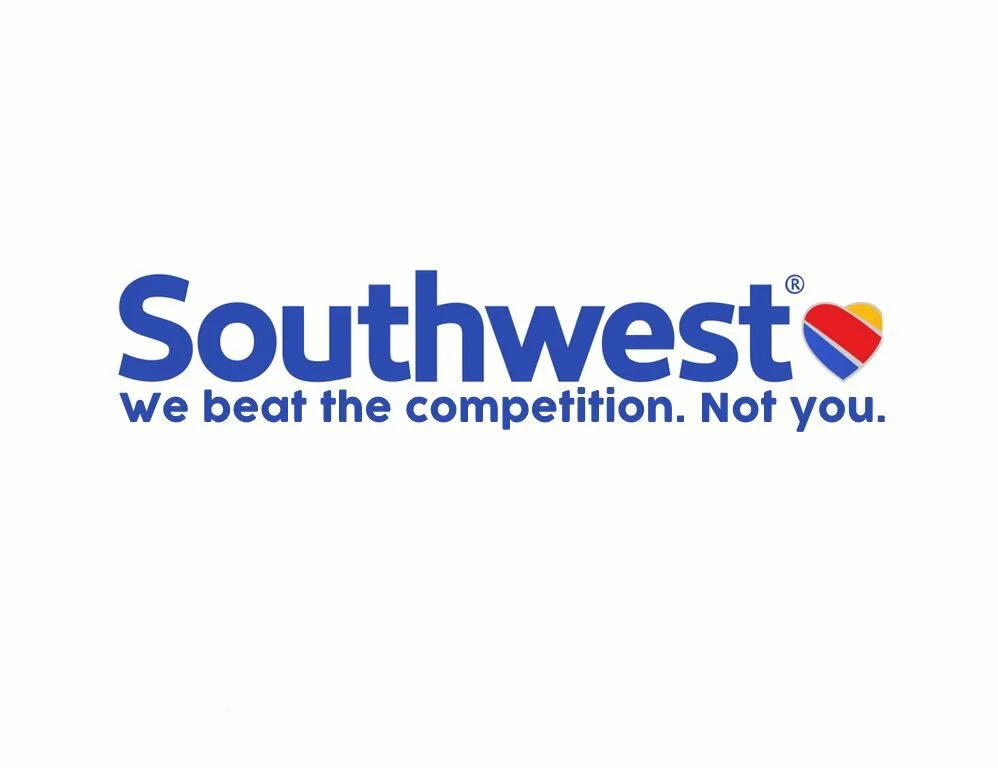
  • Southwest and other airlines are taking full advantage of the situation. What are the potential downsides of ads like the one here?
Read More

Wells Fargo Blames a Manager

Wells Fargo Traffic
Wells Fargo Traffic

An investigation led by Wells Fargo's board into the practices that led to thousands of false accounts blames Carrie Tolstedt, the former head of the retail division: 

The root cause of sales practice failures was the distortion of the Community Bank's sales culture and performance management system, which, when combined with aggressive sales management, created pressure on employees to sell unwanted or unneeded products to customers and, in some cases, to open unauthorized accounts.

The report also says the former CEO John Stumpf was "too slow" to investigate possible issues. The report is public on Wells Fargo's website.

Tolstedt's lawyers dispute the allegations. Stumpf once referred to Tolstedt as the "best banker in America." Reuters reported:

Tolstedt was perceived by high-level employees as having the support of Stumpf, with whom it was considered best to avoid raising problems with.

"Stumpf was ultimately responsible for enterprise risk management at Wells Fargo, but was not perceived within Wells Fargo as someone who wanted to hear bad news or deal with conflict," the report said.

Duke Law School Professor James Cox told Reuters, "There's a tremendous amount of pressure from regulators to throw someone under the bus. If they don't, then Wells Fargo is going to be even more in the crosshairs."

In a statement, "Wells Fargo Statement Regarding Board Investigation into the Community Bank's Retail Sales Practices," CEO and President Tim Sloan summarized actions the bank has taken: // <![CDATA[ // <![CDATA[ // <![CDATA[ // <![CDATA[ // if this line executes, then javascript is turned on and we'll therefore remove the no-js class from the HTML tag document.documentElement.className = document.documentElement.className.replace(/(^|\s)no-js(\s|$)/, '$1$2'); // ]]> // ]]> // ]]> // ]]</p></div>

Read More

New Facebook App for Spotting Fake News

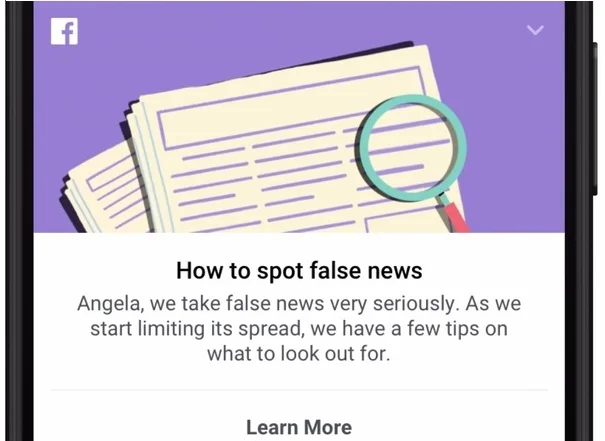
FB app3Facebook is launching a new app for spotting what the company is calling "false news and hoaxes." In a blog post titled "A New Educational Tool Against Misinformation," the company explains the new tool:

We know people want to see accurate information on Facebook – and so do we. False news and hoaxes are harmful to our community and make the world less informed. All of us have a responsibility to curb the spread of false news.

At Facebook we have been focusing on three key areas:

  • disrupting economic incentives because most false news is financially motivated;
  • building new products to curb the spread of false news; and
  • helping people make more informed decisions when they encounter false news.

Facebook and Google has been under pressure to address the increasing number of offensive and incorrect posts on their sites. This is Facebook's latest strategy to take responsibility and address the criticism that such sites are not doing enough.

The tool offers the following advice:

1. Be skeptical of headlines. False news stories often have catchy headlines in all caps with exclamation points. If shocking claims in the headline sound unbelievable, they probably are.

2. Look closely at the URL. A phony or look-alike URL may be a warning sign of false news. Many false news sites mimic authentic news sources by making small changes to the URL. You can go to the site and compare the URL to established sources.

3. Investigate the source. Ensure that the story is written by a source that you trust with a reputation for accuracy. If the story comes from an unfamiliar organization, check their "About" section to learn more.

4. Watch for unusual formatting. Many false news sites have misspellings or awkward layouts. Read carefully if you see these signs.

5. Consider the photos. False news stories often contain manipulated images or videos. Sometimes the photo may be authentic, but taken out of context. You can search for the photo or image to verify where it came from.

6. Inspect the dates. False news stories may contain timelines that make no sense, or event dates that have been altered.

7. Check the evidence. Check the author's sources to confirm that they are accurate. Lack of evidence or reliance on unnamed experts may indicate a false news story.

8. Look at other reports. If no other news source is reporting the same story, it may indicate that the story is false. If the story is reported by multiple sources you trust, it's more likely to be true.

9. Is the story a joke? Sometimes false news stories can be hard to distinguish from humor or satire. Check whether the source is known for parody, and whether the story's details and tone suggest it may be just for fun.

10. Some stories are intentionally false. Think critically about the stories you read, and only share news that you know to be credible.

Discussion:

  • To what extent do you think this will address the concerns about fake news?
  • Which of the suggestions for spotting fake news do you find most and least helpful? Which are more obvious than others?
  • What else, if anything, should Facebook do?
Read More