
Pro-Life Congressman Resigns

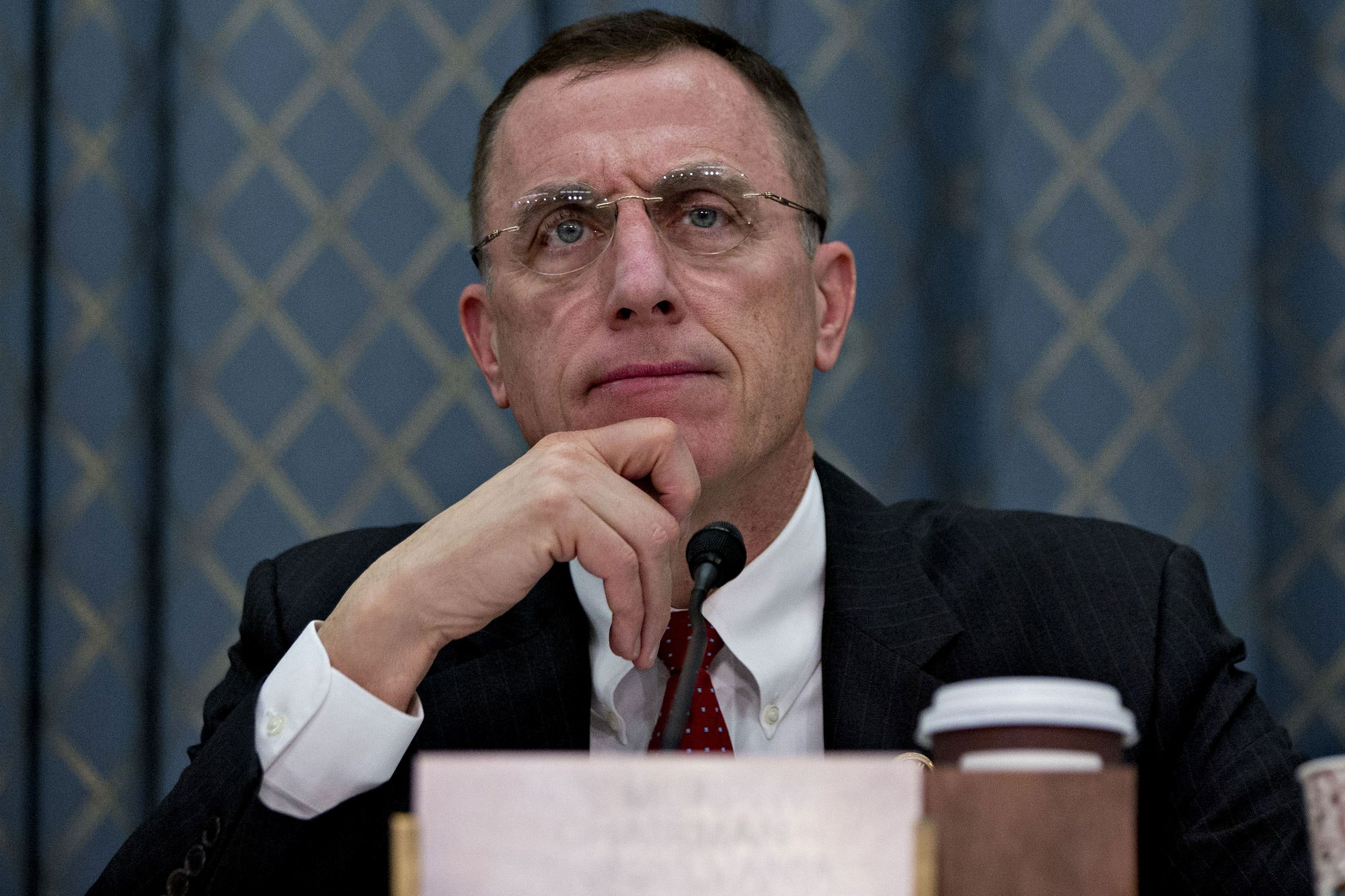
TempWe might expect a congressman who serves on the U.S. government's House Pro-Life Caucus to be against abortion in his personal life. But Representative Tim Murphy reportedly suggested that his girlfriend get an abortion if she is pregnant.

A women who says she was having an affair with Murphy went public with text messages:

She: "...zero issue posting your pro-life stance all over the place when you had no issue asking me to abort our unborn child just last week when we thought that was one of the options."

He: "I've never written them. Staff does them. I read them and winced. I told staff don't write any more."

Curiously, he didn't dispute her allegation about the abortion request. Pro-life advocates criticized Murphy for his "hypocrisy."

Although the woman wasn't pregnant, Murphy resigned from his position. House Speaker Paul Ryan announced the decision, saying "I think it's appropriate he move on to the next chapter in his life." Murphy said he'll "take personal time to seek help as my family and I continue to work through our personal difficulties." 

Murphy also posted a statement on his website:

Statement From Congressman Tim Murphy

For Immediate Release: October 4, 2017
Contact: Carly Atchison 202.225.2301

WASHINGTON, DC - Today Congressman Tim Murphy (PA-18) released the following statement:

"After discussions with my family and staff, I have come to the decision that I will not seek reelection to Congress at the end of my current term.
 
"I plan to spend my remaining months in office continuing my work as the national leader on mental health care reform, as well as issues affecting working families in southwestern Pennsylvania.
 
"We have accomplished much in the past year through the Helping Families in Mental Health Crisis Act and there is much work yet to be done.
 
"In the coming weeks I will take personal time to seek help as my family and I continue to work through our personal difficulties and seek healing. I ask you to respect our privacy during this time." 

Image source.

Discussion:

  • Assess Murphy's statement. How well does his address the situation? What else, if anything, could he say, or what could he say differently?
  • In what ways is this situation an issue of integrity? Do you see a contradiction, or do you believe Murphy's political stance and personal stance may differ?
Read More

Equifax Visits Congress

TempFormer Equifax CEO Richard Smith admitted failures during a House Energy and Commerce Committee hearing. Smith had already apologized in a video statement, but during the hearing, he mentioned his personal accountability:

"The criminal hack happened on my watch. I am truly and deeply sorry for what happened."

Yet critics say that Equifax is still not taking full responsibility. A TechCrunch article highlights Smith's testimony blaming one person: 

"The human error was that the individual who's responsible for communicating in the organization to apply the patch, did not."

The TechCrunch writer seems to think this is ridiculous:

"The notion that just one person didn't do their job and led to the biggest breach in history is quite an amazing claim and shows a fundamental lack of good security practices. But that's what Smith says led to this disaster."

Smith and Equifax's CIO retired from the company after the news became public, which took a while: executives apparently knew about a software issue back in March, but the company didn't announce the breach until September.

A Wired article cites "6 Fresh Horrors from the Equifax CEO's Congressional Hearing." In addition to the delayed admission, the article attack's Equifax's technology, including inadequate patching, failure to encrypt data, limited security reviews, and insufficient website capabilities.

Another twist is this case is why three top people in the company sold $1.8 million in stock around the time they would have learned of the breach. Smith denies questions of integrity:

"I've know these individual for up to 12 years. They're men of integrity. I have no indication that they had any knowledge of the breach when they made this sale." 

Image source.

Discussion:

  • Assess Smith's testimony. What parts do you find most and least convincing? 
  • What else, if anything, should Equifax do now to rebuild trust?
  • In what ways is this case an issue of integrity?
Read More

Wells Fargo on the Hot Seat Again

TempAgain, Wells Fargo executives faced angry lawmakers, and again, Senator Elizabeth Warren encouraged the CEO to leave. This time, she told CEO Timothy Sloan, "You should be fired." Last year, around this time, she told former CEO John Stump, "You should resign." She also referred to Stumpf's actions as "gutless leadership."

Senator John Neely Kennedy had tough words for the CEO too:

What in God's name were you thinking? I am not against big, but with all due respect, I am against dumb. I am against a business practice that has puts Wells Fargo first and customers second.

Sloan defended the board and his leadership by saying that a "throughout, independent investigation" has been made public. He said that he's "been making change at this company for 30 years," his actions have resulted in "fundamental change at the company," and that he has "the support of 270,000 people."

Image source.

Discussion:

  • How convincing do you find Sloan's testimony? Should he continue at Wells Fargo or leave the company?
  • Analyze Elizabeth Warren's arguments. Do you find her criticism too harsh, on point, or something else?
  • From this longer video segment, do you believe Sloan is holding himself accountable? What tells you he takes responsibility, or what else would he need to do to convince you?
Read More

New Facebook Policies for Targeted Ads

TempFacebook is taking responsibility for ads that target audiences based on self-reported information. In their profiles, users wrote descriptions about their hatred of certain groups, and ads displayed for them based on that quality.

Identifying hate groups wasn't the original intent of targeted ads, which Facebook describes as a way to "Connect with the people who will love your business." Yet an article in Verge says the "problems were baked in from the start." The design did allow people to choose a way to identify, and the descriptors weren't monitored.

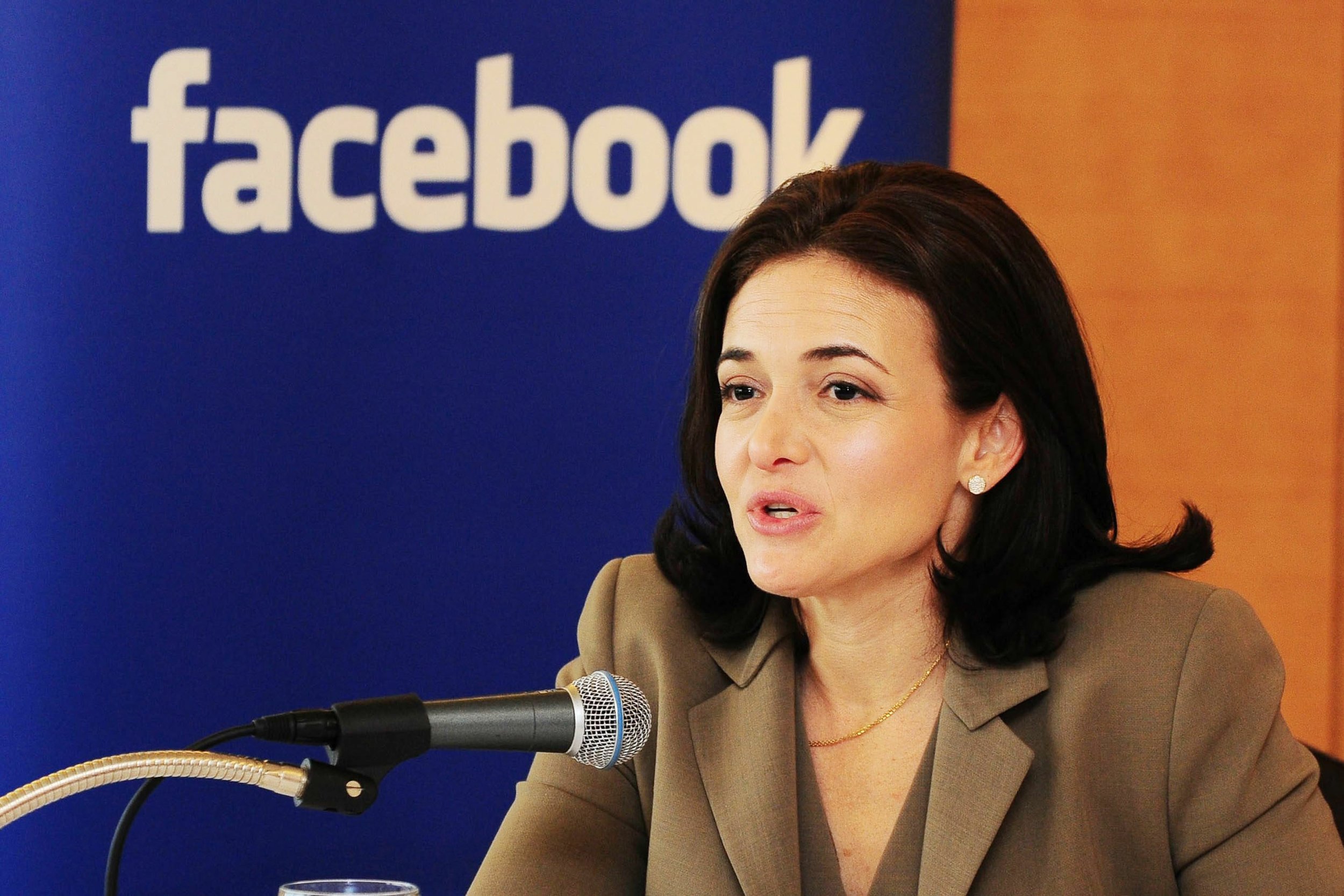
COO Sheryl Sandberg expressed her disappointment:

"Seeing those words made me disgusted and disappointed – disgusted by these sentiments and disappointed that our systems allowed this," Sandberg said in a Facebook post. "Hate has no place on Facebook – and as a Jew, as a mother, and as a human being, I know the damage that can come from hate. The fact that hateful terms were even offered as options was totally inappropriate and a fail on our part."

"We removed them and when that was not totally effective, we disabled that targeting section in our ad systems."

She also talked about how Facebook's internal systems failed:

"Such targeting has always been in violation of our policies and we are taking more steps to enforce that now," Sandberg said. "We never intended or anticipated this functionality being used this way – and that is on us. And we did not find it ourselves – and that is also on us."

Image source.

Discussion:

  • What responsibility does Facebook have in this situation? Should the company have been monitoring people's descriptors and how ads targeted specific groups?
  • What else, if anything, should the company do now?
Read More

News Conference about Deaths at Florida Nursing Home

TempEight people died in a nursing home from heat after Hurricane Irma. Local police, the medical director of a nearby hospital, and the city mayor held a news conference to describe the situation. Although the video references six people, two additional have died for a total of eight at Rehabilitation Center at Hollywood Hills. No one was present from the facility.

Florida Governor Rick Scott called the situation "unfathomable" and "inexcusable." The facility didn't lose power, but the air conditioning wasn't working. It's not clear why people weren't transferred to another facility, for example, the hospital across the street. Patients died of heart attacks, dehydration, and other issues related to the extreme heat.

Critics say that some business in Florida, such as gas stations, are required to have backup generators, but this is not the case for nursing homes. A criminal investigation has begun. The owner of the facility has a criminal past involving kickbacks; the case was settled for $15.4 million

At this point, the facility has been evacuated, and people are being accommodated at other locations.

Image source.

Discussion:

  • Who should be held accountable in this situation?
  • Assess the three statements in the news conference. How appropriate was each to the person's role?
  • We're obviously missing someone from the rehabilitation facility. Would representation help or hurt their case?
  • For the questions we hear in English, how well does the police chief respond? What strategies does he use to deflect questions he can't or won't answer?
Read More

Defense After Nurse Is Arrested

TempA nurse at a Utah hospital was arrested for disobeying an officer's request, and everyone seems to be apologizing. An officer asked Alex Wubbels to draw blood from a man who was unconscious, and she refused. Wubbels said, in order to draw blood, the patient would need to be under arrest, and she would need to see a warrant. She said she had authority from hospital administrators to maintain her position.

The police officer, Jeff L. Payne, became angry and said she would be arrested if she didn't comply. And then he followed through while Wubbels screamed for help. It seems that Officer Payne's anger may have impaired his judgment.

Statements from the Salt Lake City major and the chief of police offer apologies for the incident:

Mayor Jackie Biskupski:

"Like many of you, I watched the video of police officers interacting with University of Utah Medical Center nurse Alex Wubbles for the first time through the media late yesterday. What I saw is completely unacceptable to the values of my Administration and of the values of the Salt Lake City Police Department. I extend a personal apology to Ms. Wubbles for what she has been through for simply doing her job.

There is currently an Internal Affairs investigation examining the actions, and the Civilian Review Board is conducting a parallel investigation. I have reiterated to Chief Brown that I expect the highest level of professionalism and integrity from his team. I have also instructed Chief Brown to conduct a thorough review of all policies and trainings to ensure respect for all individuals, in all situations. Following the incident Salt Lake City Police Department command met with hospital administration. We immediately changed policies that may have been a factor in this encounter, and the officer's duties have been modified.

I take these incidences very seriously. Since I took office, I have been working with Salt Lake City Police Department to increase our use of de-escalation techniques and we have had great success, and this incident is a troubling set back to those efforts. No medical professional in Salt Lake City should be hindered from performing their duties, and certainly not be fearful of the police officers they so often partner with to save lives."

Chief Mike Brown:

"I was alarmed by what I saw in the video with our officer and Ms. Wubbles. I am sad at the rift this has caused between law-enforcement and the nurses we work so closely with. I want to be clear, we take this very seriously. Immediate steps were taken and within 12 hours, body cam footage was reviewed and an internal affairs investigation started. We've looked at the actions that took place, the policies that could have prevented it, and the training that must be done. Within 24 hours of this incident, Salt Lake City Police Department took steps to ensure this will never happen again. We met with hospital CEO and COO, Nursing Management Team, their legal representation team, and University of Utah Chief Brophy. 

Most notable of all these conversations were that we apologized for the incident and promised to find a solution. Additionally, our policy management team continues to work closely with the hospital staff on improved policies and training. 

To date, we have suspended the officer from the blood draw program. We have already replaced our blood draw policy with a new policy. All remaining officers on the blood draw program have reviewed, and are operating under the new policy and protocol.

It is my sincere desire to get back to a very cooperative, respectful, and friendly relationship with our "brothers and sisters in white" we work so closely with. Salt Lake City Police Officers have a very soft spot in our hearts for all medical professionals. We know that if we are ever hurt in the line of duty, it is their caring hands that will perhaps save our lives one day. 

I believe we can learn from mistakes and from building strong relationships with everyone we work with and serve. By doing that we become a stronger police department." 

In addition, Mayor Jackie Biskupski apologized during a news conference and announced an internal investigation. Biskupski also said they met with hospital administrators and changed some policies. Police Chief Mike Brown also apologized  and said they would put steps in place to make sure this type of incident doesn't happen again.  

Discussion:

  • How effective are the apologies from the mayor and police chief? What works well, and what could be improved?
  • How well did they answer questions? What were their best responses?
  • In what ways did the nurse demonstrate courage? What risks did she take to stand by her position?
  • How did she also demonstrate integrity?
Read More

Pastor Responds to Criticism

TempJoel Osteen, senior pastor at Lakewood Church in Houston, Texas, has a large following, but he has taken a hit since Hurricane Harvey. Critics say Osteen should have offered his mega-church, which seats 16,8000, to people needing housing after the storm. Instead, Osteen tweeted his prayers, and people say it wasn't enough.

Church officials said the building experienced "severe flooding," but pictures told a different story. In TV interviews, Osteen defended the church's practices. He said, "The main thing is, the city didn't ask us."

 In an article on PR Daily, Brad Phillips raised the issue of authenticity:

If you're cynical about televangelists, Osteen's tone in the Today show interview probably struck you as smarmy and self-satisfied. If you're one of the millions of people who watch his sermons and read his books, you probably viewed him as sincere.

Phillips also questioned why the church didn't have plans in place and, specifically, why the leaders didn't coordinate with Houston city officials ahead of time. 

The social media response has not been kind: memes abound.

Discussion:

  • What's your view of the church's actions during and after the hurricane?
  • How well did Osteen respond to criticism? What are his main arguments? Which are strongest, and which fall short?
  • Given Phillips' question about Osteen's authenticity, how do you view his interview on the Today show?
  • What's your view of the social media response and memes: cruel, justified, or something else?
  • How do your own religious beliefs or practices influence your assessment of the situation and of Osteen, particularly? 
Read More

Airbnb Steps Up During Hurricane Harvey

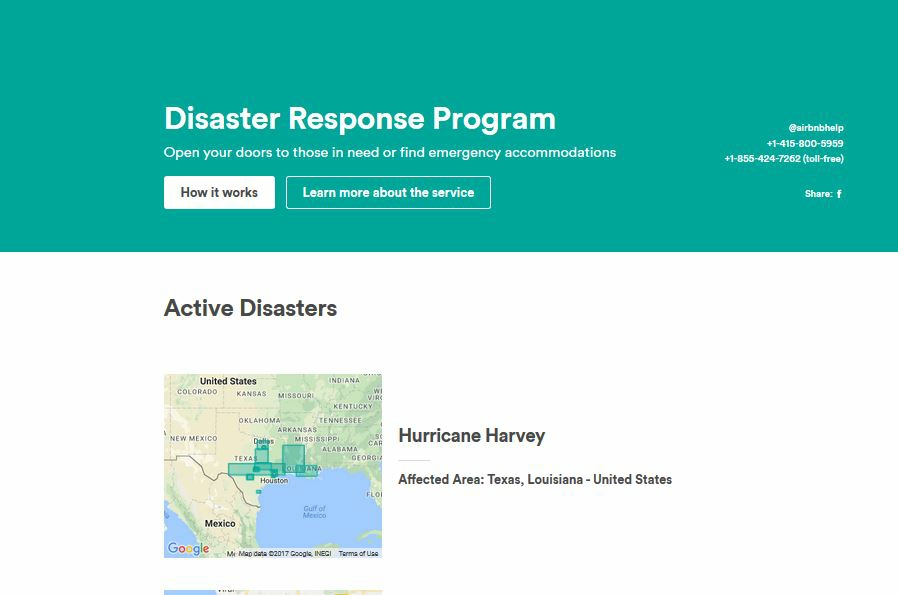
TempAirbnb is offering free rooms for people who had to leave their homes because of Hurricane Harvey. Evacuees won't have to pay fees to hosts through September 25. Originally, the offer was through September 1, but the company extended it after seeing the storm's devastation. Free listings appear for homes in Houston, Dallas, Austin, and San Antonio.

Conditions are explained on Airbnb's Disaster Response site. Currently, the site lists programs for Hurricane Harvey and for the Mumbai floods.

Other sharing companies have stepped up following the hurricane. Uber, Lyft, and WeWork are offering free services and other promotions. 

Discussion:

  • What examples of generosity have you seen during Hurricane Harvey?
  • How should a small business owner decide what to offer? What are the advantages and disadvantages of, for example, a restaurant offering free food?
Read More

Companies Criticized for Price Gouging

As Texans are desperate for housing and food in the aftermath of Hurricane Harvey, some companies are taking advantage. People reported hundreds of examples of price gouging for items like bottled water, groceries, gas, and hotel rooms. Temp

A Best Buy near Houston was selling a case of water for $42; others reported prices up to $99. Price gouging is illegal after natural disasters, as the Texas attorney general's site explains.

Best Buy issued a statement that this was the act of one store.Temp

A Best Western in Robstown was also over-charging: $321.89 a night compared to its usual price of $119. In addition to raising the room rate, the hotel added extra fees. The PR manager for Best Western's corporate office issued this statement:

"Best Western was founded on the principles of honesty, integrity, compassion, and service. We are deeply offended and saddened by the actions taken by this hotel. As a result, we are immediately severing any affiliation with the hotel. This hotel's actions are contrary to the values of Best Western. We do not tolerate this type of egregious and unethical behavior."

The hotel has been removed from Best Western's website.

Image source.

Discussion:

  • What's your view of raising prices during disasters? How is this different from revenue management?
  • Analyze Best Buy's statement. How well does this meet audience needs and communication objectives?
  • Did Best Western do the right thing in severing the hotel from the company? What will be the consequences of this action?
Read More

How Not to Apologize

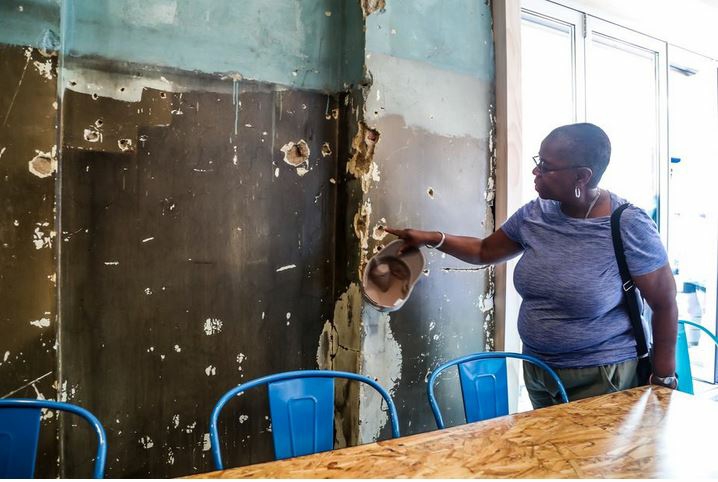
TempThe owner of a bar in Crown Heights, Brooklyn, has faced her critics but didn't handle the apology well. Former corporate tax attorney Becca Brennan wrote a press release encouraging people to visit her new bar and photograph the wall of bullet holes.

It was a bad joke: the holes weren't from bullets. Brennan played on previous violence in a gentrifying neighborhood. The NY Eater summarizes the issue:

Nostrand Avenue between Eastern Parkway and Atlantic is quickly gentrifying, and increasingly, bars and restaurants targeting young and primarily white new residents have opened. Summerhill may be the first business to capitalize on historic violence and poverty in Crown Heights as a point of the decor - making it an easy lightning rod for existing tensions.

Neighbors took offense, and some considered the promotion racist. Brennan issued an apology:

"I truly never meant it in that way, but I recognize that it was insensitive. I was excited to keep the wall as a shout out to the different businesses that occupied the space before us, but my intention was misinterpreted, and I'm sorry for that."

A month later, a town hall meeting was supposed to ease tensions but didn't. In response to criticism, Brennan said, "I'm sorry I have a sense of humor," and "I'm very sorry you were offended." These are classic mistakes in apology.

From her perspective, Brennan can't say anything right. She told reporters, "I mean, you see me try to talk, and nothing I say will ever be good enough." At the same time, she refuses to cover the damaged wall.

Image source.

Discussion:

  • What makes a good apology, and how did Brennan's fall short?
  • What would you suggest for Brennan to demonstrate vulnerability?
  • Should she cover the damaged wall or stick to her plan, as she says, to "keep the integrity of an 100-year-old building"?
  • At this point, how, if at all, can she improve relations with neighbors?
Read More

Is Poland Spring Water from Poland Spring?

Poland.jpg

A consumer lawsuit accuses Pepsi of falsely promoting Poland Spring Water. The product is marketed as "100% Poland Spring water," but the plaintiff group of 11 say it's really ground water. The company is accused of false advertising and misleading customers, and the plaintiffs seek $50 million in damages.

According to the Food and Drug Administration (FDA), spring water has a specific definition: "Spring water shall be collected only at the spring or through a bore hole tapping the underground formation feeding the spring. There shall be a natural force causing the water to flow to the surface through a natural orifice." Although a Poland Spring did exist in Maine, according to the suit, it dried up almost 50 years ago.

The accusations are an issue of behavioral integrity, as my colleague Tony Simons defines it: doing what you say you will do. In other words, does Nestle Water promise something it doesn't deliver?

Nestle Waters denies the claims. In response to the suit, the company created an extensive web page with a brief statement, two videos, and an infographic. The statement reads as follows:

For more than 170 years, Poland Spring® has delivered great tasting spring water from Maine to millions of people in the Northeast. The claims made in the lawsuit are without merit and an obvious attempt to manipulate the legal system for personal gain. Poland Spring® is 100% spring water. It meets the U.S. Food and Drug Administration regulations defining spring water, all state regulations governing spring classification for standards of identity, as well as all federal and state regulations governing spring water collection, good manufacturing practices, product quality and labeling. We remain highly confident in our legal position.

They are taking a strong approach to counter the claims, and they accuse the plaintiffs of seeking personal gain. One of the videos, only 30 seconds, demonstrates principles of persuasion: emotional appeal, logical argument, and credibility.

Discussion:

  • What elements of persuasion (pathos, logos, ethos) do you find in the video example? What other communication strategies does Nestle Water use on its web page?

  • Analyze the full infographic from this page. What communication design principles does the infographic illustrate? How could it be improved?

  • Given what little we know so far about the case, what's your view? Do you side more with the plaintiffs or with Nestle Water?

Read More

Email Persists

TempA survey shows that CIOs (73%) and office workers (53%) agree that email will continue as the primary internal communication tool through at least 2020. When instant messaging became popular around 2004, analysts predicted it would outpace email, which obviously hasn't happened. Reports of email's demise were common until about 2010, when people may have realized how stubborn the technology is.

Email's persistence isn't because it's a great tool. According to the MediaPost survey, CIOs did rate email best for daily communications (41%), but this is compared to other channels: in-person meetings (22%), instant messaging (13%), phone calls (9%), internal social networks (8%), and video conferencing (7%). I would argue that the channel depends on the purpose and audiences. Otherwise, this is a difficult question to answer.

The survey reporters criticized instant messaging because people expect an immediate response. But, again, this doesn't consider that IM has a different purpose and will often solve immediate problems. Academic research shows that people who use IM, perhaps paradoxically, feel they have more control over their work, possibly because they get work accomplished through IM instead of having to wait longer for an email response. Then again, in some circles, people are expected to respond to email immediately as well.

Image source.

Discussion:

  • What's your view of email compared to other communication tools, such as, instant messaging? 
  • What's the real value of email compared to other tools? Why do you think it has persisted?
  • What's your biggest frustration with email?
  • What, if any, tools, such as Slack, have you used to help manage email? What have you found helpful?


Read More

Comparing CEO Statements

TempA writer for The New York Times doesn't condemn CEOs for leaving President Trump's business advisory councils, but she says that we should expect more, particularly from those who gave what she considers vague statements. Zoe Greenberg writes,

It's fine to thank these executives for doing the right thing. But to look to these men as brave leaders? Let's not lower our standards, both politically and morally, so far that we're cheering for the absolute bare minimum of human decency.

She gives the example of Brain Krzanich of Intel's statement:

 I resigned to call attention to the serious harm our divided political climate is causing to critical issues, including the serious need to address the decline of American manufacturing.

The Los Angeles Times rounded up 15 CEOs' statements about their decision to leave, some before the Charlottesville incident. Comparing the statements and the reasons they identified is an interesting exercise. Some executives used the opportunity to promote their companies, and some gave more specific reasons that others.

Image source.

Discussion:

  • Which executives most used the opportunity to promote their company?
  • Which gave the most vague and most specific reasons for leaving?
  • What other differences do you notice?
  • Which statements do you find most effective and why?
Read More

CEOs Leave President Trump's Business Advisory Councils

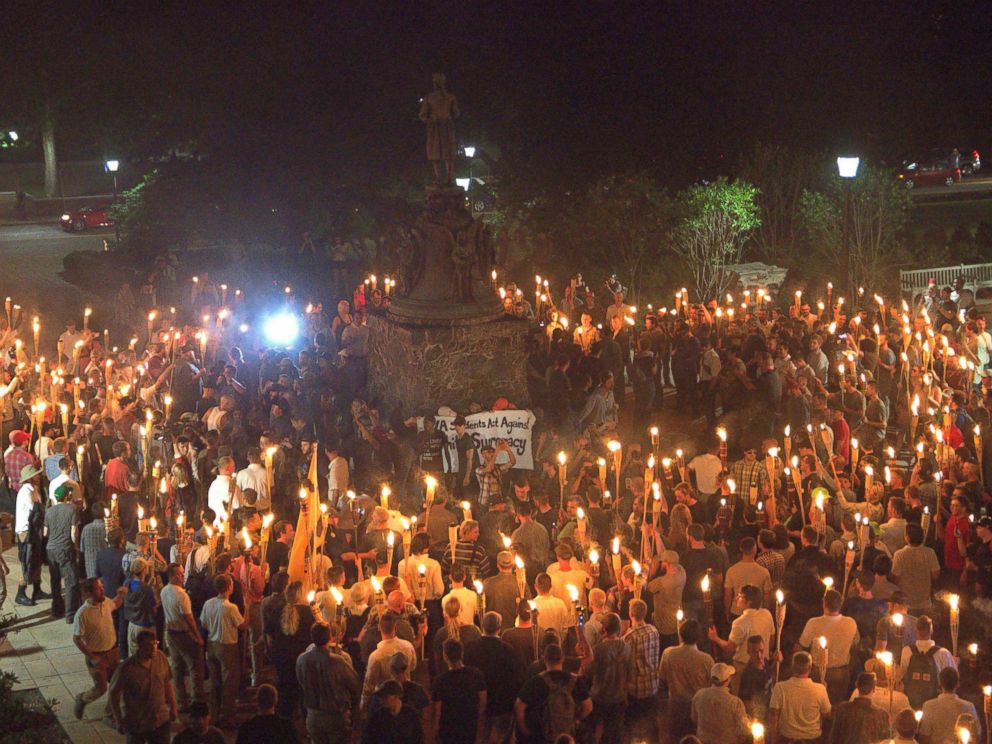
TempSeveral CEOs have left or were planning to leave President Trump's business advisory councils after his response to the Charlottesville, VA, incident. President Trump has been stalwart in blaming "both sides" of the protests in Charlottesville, which escalated in violence. For some CEOs, the response wasn't strong enough in condemning white supremacists. In a news conference, President Trump said there was violence among the liberal contingent as well as those wanting to, for example, defend confederate statues. He drew an analogy between George Washington and Thomas Jefferson, who owned slaves, with Robert E. Lee, who led the confederate army during the U.S. civil war.

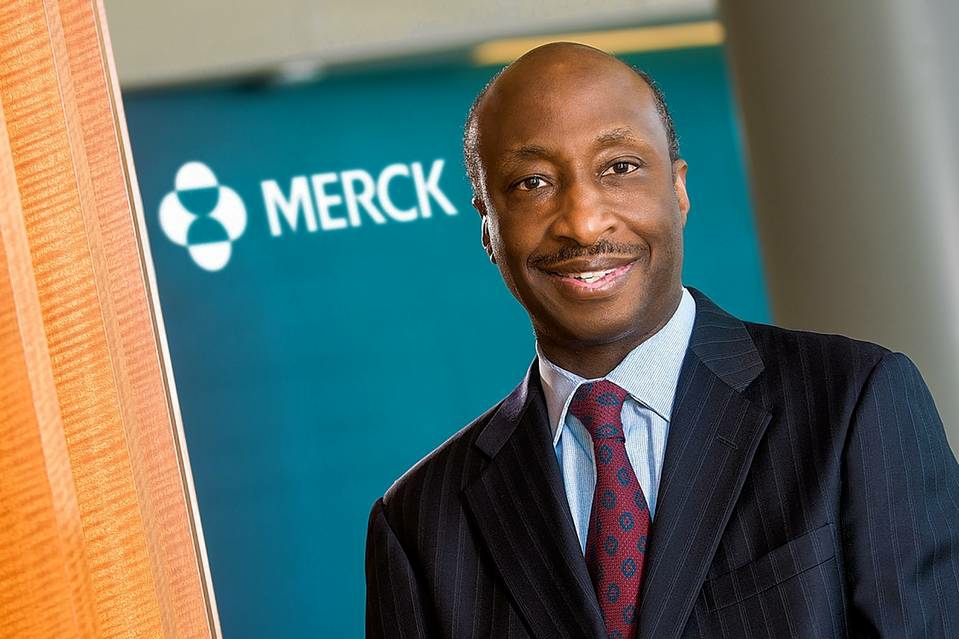
Merck chief executive Ken Frazier was the first to resign from the president's manufacturing council. Others filed suit, and still others planned to resign, including Indra Nooyi of Pepsi, Jamie Dimon of JP Morgan, Alex Gorsky of J&J, and Jeff Immelt of GE.

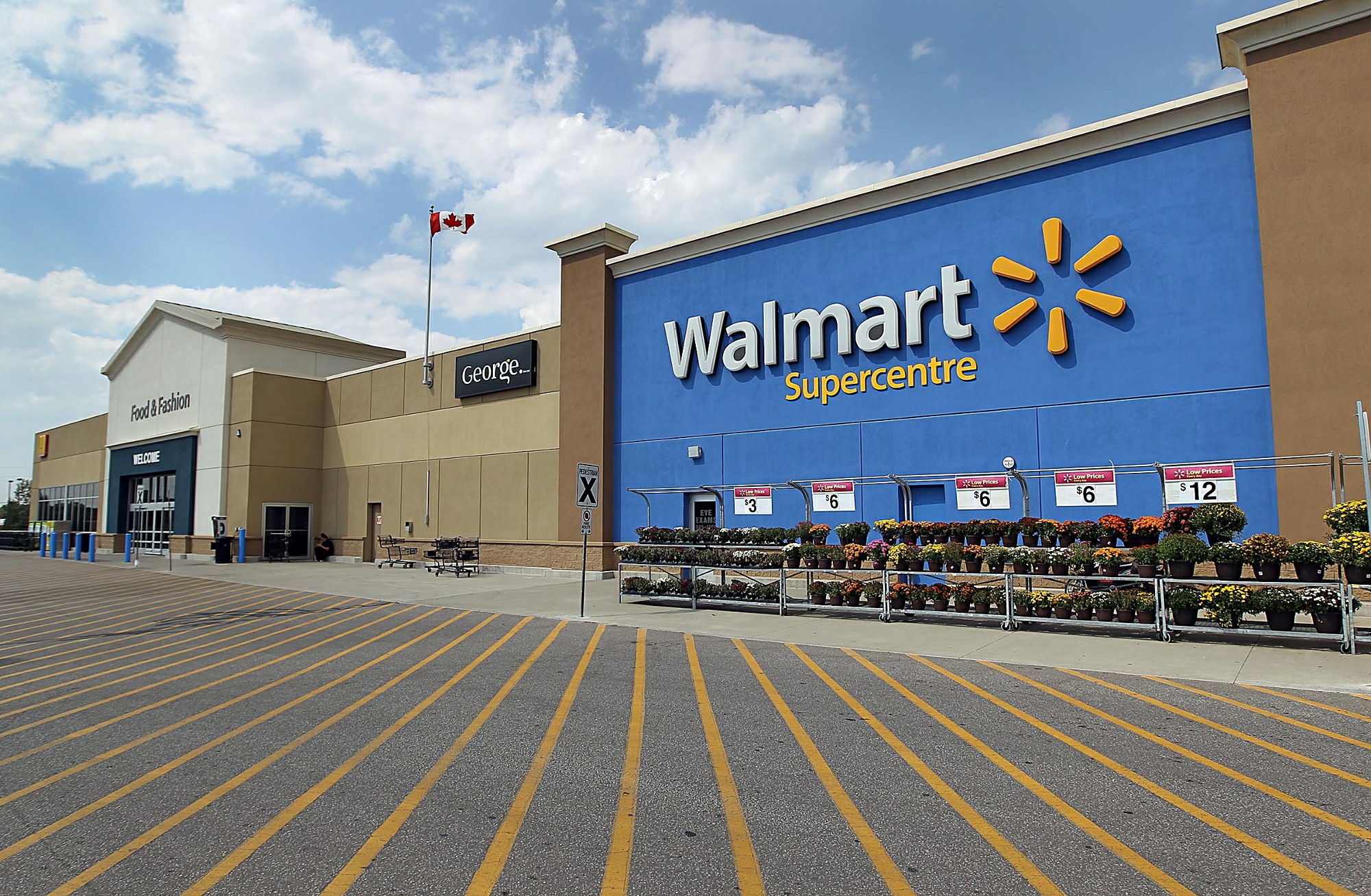
Doug McMillon, Walmart's chief executive, has been vocal and has faced criticism from Walmart customers. In a memo to employees, McMillion explained his position:

 Respect for the individual is one of our core beliefs at Walmart. And the role we play in communities around the country to build a more diverse and inclusive society is more critical than ever as the tragic events in Charlottesville over the weekend painfully reminded us. Our prayers are with the victims and their families. 

As we watched the events and the response from President Trump over the weekend, we too felt that he missed a critical opportunity to help bring our country together by unequivocally rejecting the appalling actions of white supremacists. His remarks today were a step in the right direction and we need that clarity and consistency in the future.

Our country is facing some very difficult issues that require our elected officials, business leaders and community-based organizations to work together. Representing a company with the largest and one of the most diverse groups of associates in the U.S., and an even more diverse customer base of tens of millions of customers, we believe we should stay engaged to try to influence decisions in a positive way and help bring people together. I will continue to strongly advocate on behalf of our associates and customers, and urge our elected officials to do their part to promote a more just, tolerant and diverse society. 

Thank you for representing Walmart and our values today -- and every day.

Before another group, inspired by Nooyi of Pepsi, could resign, President Trump decided to disband all of his business advisory councils. The decision is a blow to the president, who prided himself on his business relationships when taking office.

Image source.

Discussion:

  • Did these business leaders do the right thing? Why or why not?
  • What did it take for Merck's CEO to take the lead, and for Pepsi's CEO to inspire the next wave? What was at risk for both of them and for other CEOs?
  • Besides addressing the Charlottesville situation differently, what could President Trump have done differently to maintain his relationships with these business leaders?
Read More

Should We Curse at Work?

TempA book, What the F: What Swearing Reveals About Our Language, Our Brains, and Ourselves, explains why cursing is good for us. Author Benjamin K. Bergen also argues that cursing is a social construct: certain words are "bad" only because we say they are.

Cursing has some benefits. One study showed that swearing in response to an injury helps us tolerate pain. Another showed that swearing improved performance in bicycle and hand-grip exercises. Bergen argues that cursing allows people to show their emotional state instead of hiding it. He also says cursing brings people of similar backgrounds or cultures together.

But what about swearing at work? This seems to vary based on industry, company, and work group. Some cursing, such as ethnic slurs, are offensive and would rarely be tolerated. However, many teams will curse among themselves, depending on the relationships and circumstances.  

Image source.

Discussion:

  • Do you curse? Why or why not? Under what circumstances would you curse or avoid it?
  • How do you feel about cursing in professional work environments? What are the advantages and disadvantages?
Read More

Cargill Muslim Employees Get EEOC Support

TempThe Equal Employment Opportunity Commission (EEOC) is siding with Cargill employees over their right to pray at work. Employees filed a claim against the company because their opportunities to pray during breaks had been curtailed. The EEOC's support means that Cargill management will have to reach an agreement with employees on prayer time.

The issue began in Colorado in 2015 when 150 employees walked off the job in protest. Supervisors told them they would no longer be able to prayer during breaks. The employees were terminated for attendance violations.

Employees report being closely monitored so they didn't pray, for example, in the bathroom. Cargill denies such claims.

The hope is for Cargill and the employees to reach a confidential agreement. If they fail, the employees can pursue a discrimination lawsuit.

Image source.

Discussion:

  • What protects U.S. employees' right to pray at work?
  • How would you describe the company's position?
  • Assess statements by the company in the Star Tribune article. Based on these quotes, how well is the company responding to the controversy?
Read More

Irvine Finds Room for Admitted Students

TempUniversity of California, Irvine, is trying to do right by 800 students who accepted the college's admissions offer above the expected number. When making admissions decisions, colleges always consider their "yield," or the percentage of students who will enroll. Admissions officers admit more students than they have space for, assuming some won't come because of financial reasons or school preference.

Initially, Irvine rescinded offers from about 500 students, but it was too late for them to enroll in other schools by that time. They informed students during the summer about transcript and other issues, which happens in a few cases each year, but this is an extraordinary number.

Then university administrators began softening. They admitted that they used standards that were too strict in order to lower their enrollment numbers. The vice chancellor wrote a message to students, including this excerpt:

We heard from some students that this year's process was too stringent and our customer-service approach needs improvement. I acknowledge that we took a harder line on the terms and conditions this year and we could have managed that process with greater care, sensitivity, and clarity about available options. Also contributing to the angst many of you have experienced is our traditional communication and outdated telephone systems that did not serve us well in this circumstance. For those who felt ignored or mistreated, I sincerely apologize.

We are making every effort to do better, immediately. I have directed the admissions team to step up the personal outreach to notified students. We're bringing in more people to review appeals and answer phones. We are committed to correcting any errors swiftly and providing the help you need in an empathetic and understanding way.

A few days later, Irvine's chancellor also apologized, and the university found a way to accommodate 290 more students. His message included this excerpt:

The stories of our students whose college dreams were crushed by our decision to withdraw admissions to hundreds of students are heartbreaking. And unacceptable.

This process is not working. We are a university recognized for advancing the American Dream, not impeding it. This situation is rocking us to our core because it is fundamentally misaligned with our values.

The apology is notable because we see so few of them from university presidents. Writers for The New York Times and Insider Higher Ed commented on the rarity of apologies, partly because of the complexity of academic institutions.

Image source.

Discussion:

  • Analyze the chancellor's and vice chancellor's messages. What communication principles do they use? How do the messages compare in content, tone, word choice, and organization?
  • What should Irvine have done differently in this situation? What are all of the touch points with students that could have been improved?
Read More

BMW Denies Collusion

TempGerman automakers felt another blow this weekend when they were accused of colluding. The news came as Daimler recalls 3 million cars, and Audi recalls 850,000 to lower their emissions.

German officials found documents related to a potential technology cartel when looking for evidence about potential anti-trust issues related to steel. To avoid penalties, VW and Daimler admitted meeting regularly with competitors. Spiegel magazine quoted VW as saying five German carmakers met "several times a year" and had been "co-ordinating the development of their vehicles, costs, suppliers, and markets for many years, at least since the Nineties, to the present day."

One area of discussion was about the size of the technology to hold AdBlue, a chemical cleaning substance. Automakers agreed on a smaller tank to reduce costs and allow more room for accessories, such as audio, but this meant less efficient cleaning of exhaust gases.

In a statement, BMW denied the accusations:

"BMW vehicles are not manipulated and comply with respective legal requirements," and "The BMW Group categorically rejects accusations that Euro 6 vehicles sold by the company do not provide adequate exhaust gas treatment due to AdBlue tanks that are too small."

VW may have learned a lesson from the emissions scandal. A New York Times article summarizes how earlier admissions may have helped avoided trouble:

If Volkswagen had been honest with American officials [in May 2014 when Winterkorn received a memo about the inconsistent test results], the damage to the company's reputation and finances would very likely have been serious but not devastating. Similar cases suggest that Volkswagen would have paid a fine in the hundreds of millions of dollars.

Image source.

Discussion:

  • Assess BMW's strategy. What principles of persuasion is the company using? What crisis communication techniques would be useful to the company at this point?
  • To what, specifically, is VW admitting? What, specifically, is BMW denying?
  • Where's the line between meeting and collusion?
Read More

Walmart Apologizes for Racist Description

TempWalmart blamed a seller for a racist description of a hair weaving net. The blurb included the "N-word" as an adjective with "brown" for the product color.

Walmart removed the description and issued an apology, shown here.

TempThe seller, Jagazi in the United Kingdom, said someone was using its name to sell products on Walmart's website. Jagazi wrote a statement denying connection with the product but didn't mention the racial slur.

We woke up this morning to the news that someone has used our name, Jagazi, to list an item. Please beware that we are reporting this to as many people as we can and trying to get all the listings pulled down. The real Jagazi is a 100% black company for black people. People have often used our brand name to try and sell their products. Please be aware. Very sorry for all the distress this has caused. We are feeling the pain here as well. Most shocking!
 

An AOL article author criticizes Jagazi for "indicating some offense to the racial slur and much offense to someone selling fake Jagazi on Walmart's website." Do you agree or disagree?

Image source.

Discussion:

  • How does a mistake like this happen?
  • How well did Walmart handle the apology? Should the company take more responsibility? Why or why not?
  • Assess Jagazi's response. What, if anything, should Jagazi have done differently?
  • The AOL article has a punctuation error. Can you find it?
Read More

Mika Brzezinski Responds to President Trump's Tweet

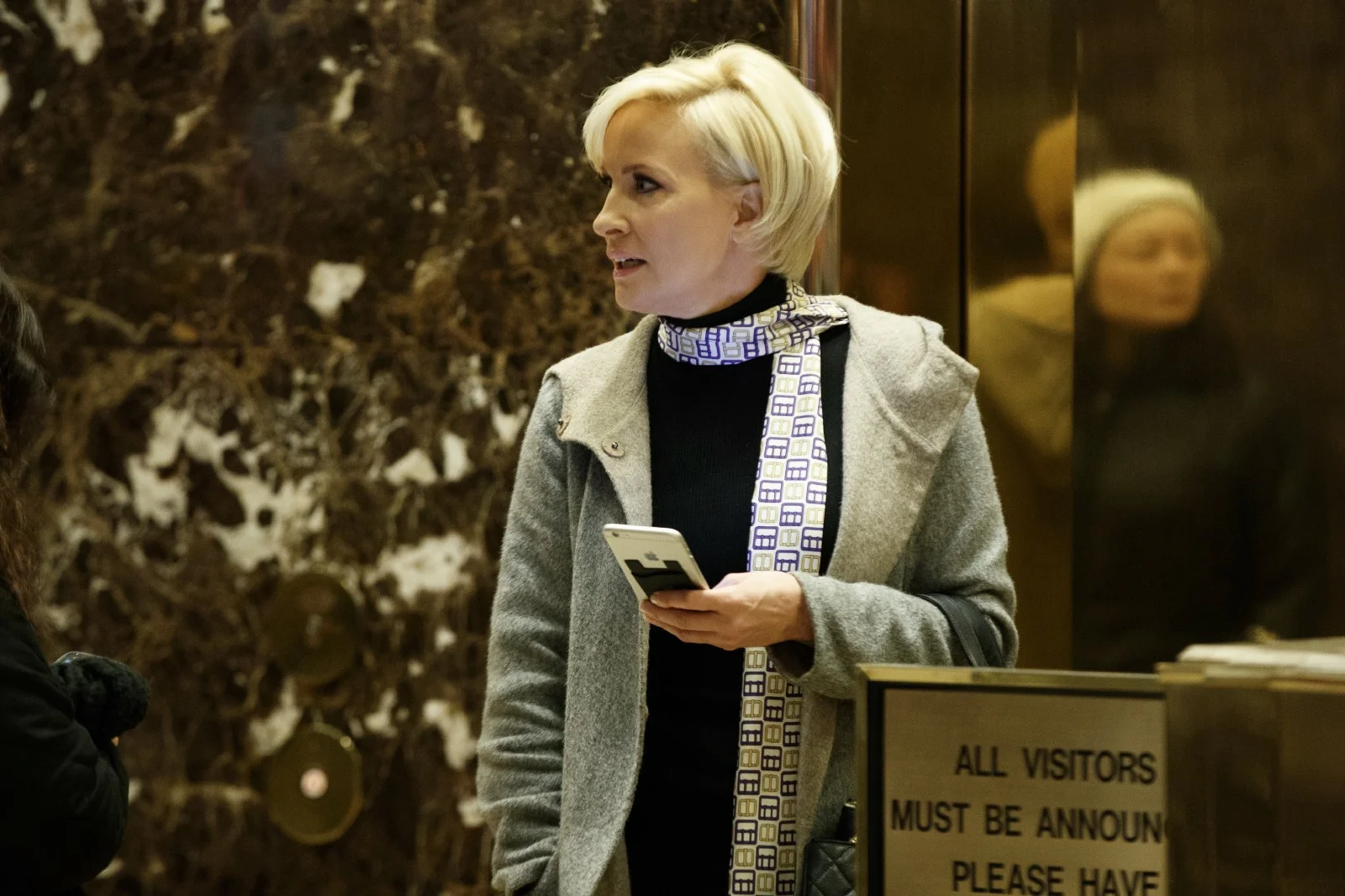
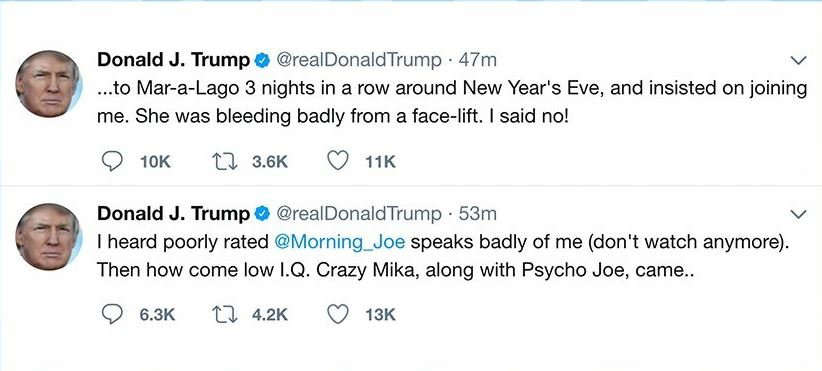
TempPresident Trump had contained some of his comments on Twitter since taking office-until now. He tweeted about Mika Brzezinski, co-host of Morning Joe, which continues the feud from last summer

Brzezinski and Joe Scarborough (engaged to be married) aren't keeping quiet about the situation. In a long piece in Vanity Fair, Brzezinski tells more gory details about meetings and her neck surgery. They wrote an op-ed for The Washington Post, and Temp

Business Insider describes the hosts refutation of Trump's claims.

The whole story sounds a bit high school: were they friends, and now they're not anymore?

Business Insider also reported Brzezinski's response about the tweet: 

Brzezinski said she was "fine" after the attack, adding that her family "brought me up really tough."

"This is absolutely nothing for me personally," she said. "But I'm very concerned about what this once again reveals about the president of the United States. ... It does worry me about the country."

"We're okay," Scarborough said. "The country is not."

Discussion:

  • The op-ed piece is titled, "Donald Trump is not well." Do you agree? Too harsh, just right, or something else?
  • How do you assess Brzezinski's reaction? Should she and Scarborough let it go? What are their motivations?
Read More