
Lincoln Project Statement
Frank Bruni is right his article, ”When You Don’t Have Trump to Hide Behind: There’s now space for other scandals. Witness the Lincoln Project.” I’ve been missing hearing about improprieties with the shadow of Trump for the past four years. Now trouble at the Lincoln Project, a political group started in 2018 by Republicans to prevent the re-election of the former president, has come to light.
The issue raises questions of integrity. As the organization criticized the former president for his actions, 21 young men accused one founder of sexual harassment, while organization leaders knew of but did nothing about their complaints. In addition, questions linger about whether group leaders misused funds for personal gain.
The one leader accused of “grooming young men online” responded in a statement:
I am so disheartened and sad that I may have brought discomfort to anyone in what I thought at the time were mutually consensual discussions. In living a deeply closeted life, I allowed my pain to cause pain for others. For that I am truly sorry to these men and everyone and for letting so many people down.
The Lincoln Project also issued an official statement. One, dated January 30, isn’t available because of a broken link on the homepage. But another, dated February 14, is below:
The Lincoln Project has retained the law firm of Paul Hastings to investigate allegations of inappropriate behavior by John Weaver as part of a comprehensive review of our operations and culture. The review process is currently underway.
We are committed to creating a positive, diverse, and inclusive workplace environment at The Lincoln Project and inappropriate behavior by anyone associated with the organization will not be tolerated under any circumstances. We have already taken decisive action to address internal concerns. Additionally, we are releasing staff and former staff from the confidentiality provisions in their employment agreements to discuss their workplace environment. Based on the findings of this review we will take all necessary action to correct any issues or deficiencies that are identified.
Concurrently, we are also working with outside counsel and professional consultants to strengthen our corporate governance, finance and operational structure, human resources, and leadership to position The Lincoln Project to further maximize our impact and lean into our important mission advancing democracy.
The Lincoln Project was founded to combat political forces who seek to undermine our democracy. We revolutionized how political action committees operate and spent $81 million last cycle to create and place more than 300 advertisements, host national town halls, conduct voter outreach, and launch a podcast and streaming video network that engaged millions of voters. Eighty percent of our funds went to voter contact and content production. Our historic results speak for themselves.
Moving forward, we have important work ahead of us and we have created a nationwide movement of Americans who support our objectives.
In order to continue fulfilling our promise to our millions of supporters and contributors, we must address any and all internal organizational issues immediately and put in place a governance and diverse leadership structure that reflects our core values and ensures we will continue to attract the best talent available.
The Lincoln Project will continue producing and distributing our popular content and commentary while these reviews are being conducted and we are operating at full capacity.
The statement start is unfortunate and squirrely. Perhaps an apology might be more appropriate? As an apology, if this is the intent, the statement doesn’t work very well. Apologies admit specific wrongdoing, acknowledge the impact, and describe positive steps planning for the future. I don’t see that here.
Wishing Someone Well
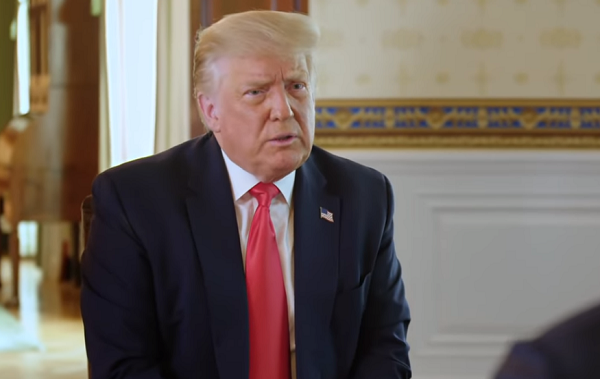
News outlets are reporting that President Trump wishes Ghislaine Maxwell “well.” An associate of Jeffrey Epstein, Maxwell is charged with child sex-trafficking and has pleaded not guilty.
President Trump knew Epstein and Maxwell and met them “numerous times over the years.” according to his interview with Axios. When an Axios interviewer questioned the president’s previous statement that he wishes her well, he explained what he meant:
"Her boyfriend died in jail, and people are still trying to figure out how did it happen. Was it suicide, was he killed? And I do wish her well.”
“I'm not looking for anything bad for her. I'm not looking bad [sic] for anybody.”
“I do. I wish her well.”
“I wish her well. I'd wish you well. I'd wish a lot of people well.”
Discussion:
What does it mean to “wish” someone “well”?
What's your view of President Trump’s comments? Appropriately empathic towards Maxwell, compassionate, insensitive towards victims of sexual abuse, polite, or something else?
The president defended his initial comments. Should he have done so or changed his approach? Why?

How to Check in on People in Difficult Times
A New York Times article, “How to Ask if Everything Is OK When It’s Clearly Not,” suggests ways to offer compassion. Here are Anna Goldfarb’s recommendations:
Check for signs of distress: moodiness, unkempt appearance
Check yourself first: Are you in a good place to engage?
Be specific about your observations: What behavior could indicate a problem?
Ask general or specific questions, depending on your relationship:
“Is anything on your mind?” or
“How are your kids adjusting to so many changes at school?”
Or just make a statement: “I’m wondering how you are.”
Talk about your own challenges; be vulnerable
Just listen; you don’t have to solve anyone else’s problem
Set a time to follow up
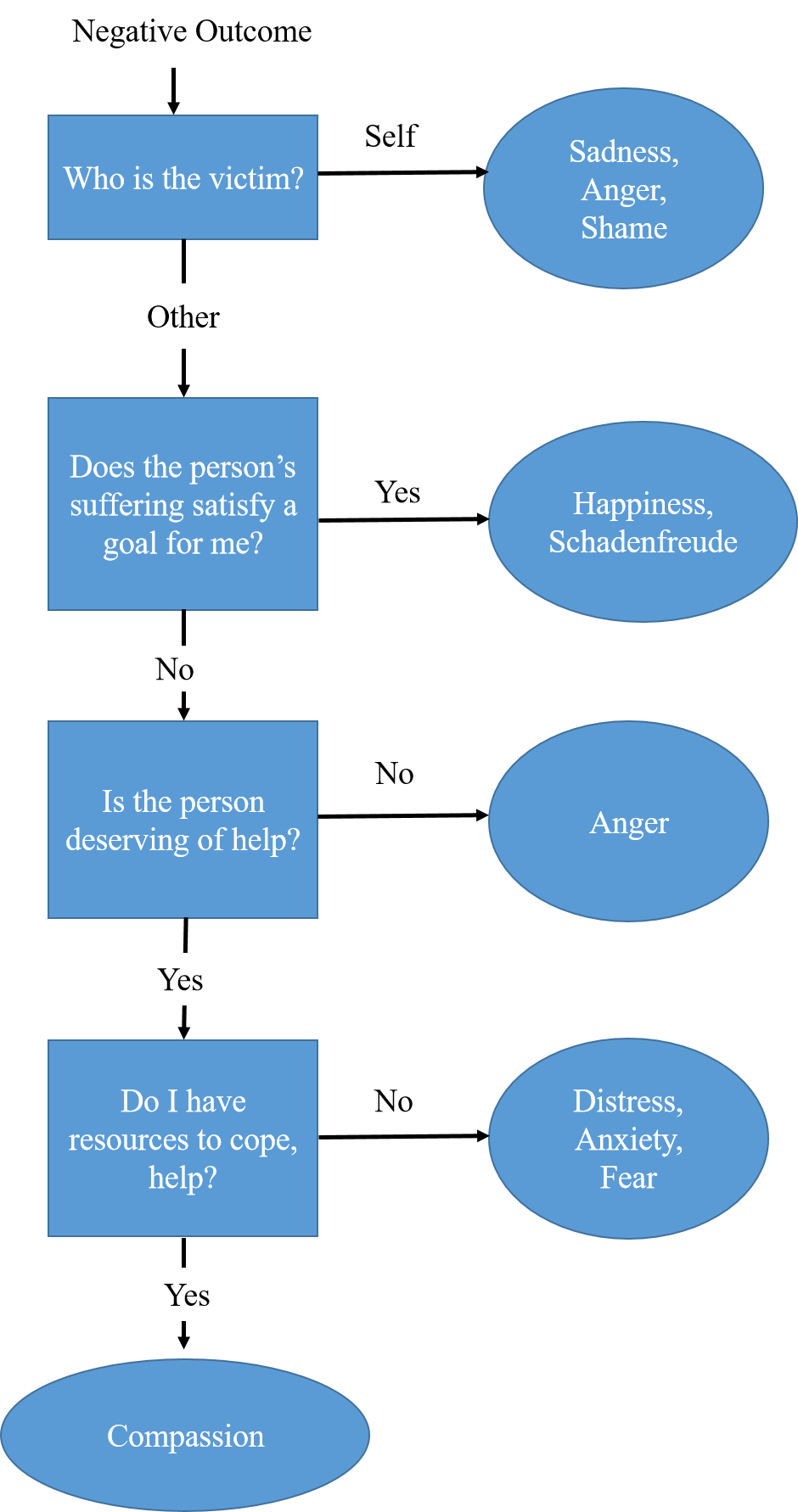
This article reminds me a model for appraising whether we offer compassion. This version is in Building Leadership Character, adapted from Jennifer Goetz, whose article was published in Psychological Bulletin.
Discussion:
How comfortable would you feel engaging someone in this way during the pandemic? What might prevent you from doing so?
Think of a time when you offered someone compassion. How does the appraisal model apply? How about a time when you didn’t offer someone compassion?

P&G Commercials Demonstrate Empathy
Two Proctor and Gamble ads illustrate the role of empathy in understanding aspects of being Black in America. The first ad here, “The Look,” shows how a Black man experiences others’ reactions to him throughout the day. The second ad allows the viewer to watch intimate conversations that Black families have about race.
Discussion:
How would you describe the role of empathy in addressing bias?
What are the objectives of these ads? How well do they meet those objectives?
What makes these ads effective—or not—in your opinion?

Atlanta Mayor Speaks to Protests
Atlanta Mayor Keisha Lance Bottoms delivered a speech from the heart and from her experience. Mayor Bottoms speaks from her experience as an African-American mother and implores people to protest peacefully.
Discussion:
Analyze the mayor’s speech: audience, communication objectives, organization, tone, delivery style, and so on. What works well, and what could be improved?
In what ways does this speech demonstrate authenticity? How does the mayor’s identity play a role in her message and her delivery?

Airlines CEOs Criticize Boeing CEO's Prediction

During an interview on the “Today” show, Savannah Guthrie asked Boeing CEO David Calhoun whether a major U.S. airline might not survive because of the pandemic. Calhoun said, “Well, I don’t want to get too predictive on that subject, but yes, most likely. Something will happen when September comes around.” He also said that “we believe we will return to a growth rate similar to the past, but it might take us three, five years to get there.”
The response angered major airline executives, who are currently negotiating for federal assistance.
Another Boeing executive defended Calhoun’s statement:
“Some weren’t keen on his sobering assessment of industry challenges ahead, but others appreciated him telling it like it is. It’s in his nature to be frank.”
Discussion:
What’s your view of Calhoun’s comment? One view is that, during a global pandemic, executives might need to be particularly sensitive. Another view is that this is a time for honest, direct talk.
What are the potential implications of his comment? Should he have avoided it?
What the entire interview. How did Calhoun do overall? What are his communication objectives and key messages?

A Leader Example in My Book Is Charged With Conspiracy
I was sad to see that Paul Kruse, former CEO of Blue Bell Creamery, has been charged with covering up the listeria breakout in 2015. In my book, Building Leadership Character, Kruse is a positive example of a leader who demonstrates vulnerability. His 2016 video announcing employee layoffs after the breakout was emotional and authentic.
Prosecutors say that Kruse delayed recalling tainted products, instructed employees to tell customers that product delays were caused by mechanical problems, and failed to take other appropriate action.
Blue Bell agreed to pay $19.5 million to the Department of Justice and posted a statement on its website, which focuses more on the future than on the past.
Discussion:
Can you reconcile both perspectives of Kruse as a leader? Could he be someone who covers up listeria and someone who gets emotional when talking about employee layoffs?
Assess the company’s statement. Who are the audiences, and what are the communication objectives?

Airbnb Layoff Message
Airbnb Co-Founder and CEO Brian Chesky wrote to employees to announce layoffs. Ask we see more and more, the company posted the message publicly on its blog, knowing it would likely go viral anyway.

In his message, Chesky announces the decision to lay off about 25% of the workforce as part of their more targeted business strategy. Airbnb is reducing investments in some services to focus on its core business.
Although he sends a mass email, Chesky tailors the last part to different groups:
To those of you staying,
One of the most important ways we can honor those who are leaving is for them to know that their contributions mattered, and that they will always be part of Airbnb’s story. I am confident their work will live on, just like this mission will live on.
To those leaving Airbnb,
I am truly sorry. Please know this is not your fault. The world will never stop seeking the qualities and talents that you brought to Airbnb…that helped make Airbnb. I want to thank you, from the bottom of my heart, for sharing them with us.
Brian
Discussion:
What’s your view of the message? Consider the audiences and objective.
It’s quite long. Is it too long or just right?
I wish that people who were staying in their current role could get a message too. It’s unclear whether that’s planned—only that they “will not receive a calendar invite.” Your thoughts?

United Airlines Message
The COVID-19 messages keep coming from airlines and other companies. Here’s one from United Airlines, encouraging us to fly by offering flexibility and promising cleanliness.
Dear Amy,
As we all adjust to this new normal, my thoughts are with you and your families and I hope you're staying safe and healthy. The last several weeks have been emotional and trying for all of us, but I continue to be inspired by the goodness in people and the genuine acts of kindness, large and small, that I see every day. These gestures of warmth, strength and caring give me the confidence that in time, we will emerge more United Together than ever before.
It's in that spirit that I wanted to share with you some good news about what the 100,000 family members of United Airlines have been doing for you as we tackle the biggest and most disruptive crisis we've faced in our 94‑year history.
Good news as you're making travel plans
Life is unpredictable in lots of ways right now. We know many of you started the year planning to fly with us to visit family, go to a game or concert, attend a trade show or just get away. And you might be feeling anxious about what to do about your upcoming travel plans. That's why we've waived the fees to change or cancel any trip with us through the end of 2020, including travel that was already planned as well as trips that you're hoping to take in the future. Every customer now has until May 31 to make changes to current reservations or book new flights that can be changed or canceled without a fee, and you'll be able to reschedule your trip for anytime in the next 12 months. So take the next few weeks and do what's best for you, your family and your work.
Good news for when you choose to fly
Safety has always been our top priority, and because of that, the social distancing and cleaning procedures that have become a way of life for all of us are now staples of the way we run our airline. When you're ready to fly, you'll see that a lot has changed at the airport and on board our aircraft. We're boarding fewer customers at a time and starting from the back of the plane to avoid crowding in the gate area, on the jet bridge and in the aisle. We're automatically blocking middle seats to give you enough space on board, requiring all our employees on board, including our flight attendants, to wear masks and, in early May, making masks available to our customers. Of course, these measures are in addition to our state‑of‑the‑art sanitization procedures like cleaning our aircraft with electrostatic sprayers, and extra precautions like taking our employees' temperatures before they start work to protect the well‑being of our customers and colleagues. Find a complete overview of what's changed at United to adapt to this new normal.
Good news for our communities
While we wait to welcome you back, we've been using our time and resources to do our part and support those on the frontlines of this crisis as well as the millions of families who have been affected by the most dramatic disruption of the labor market since the Great Depression. Leveraging the full power of our airline to do the right thing, we've flown more than 1,000 medical volunteers for free; donated 170,000 pounds of food; and used our fleet to get close to 20,000 stranded people home and medical supplies to the places that need them most. Here are just a few examples of how we're contributing in the fight against COVID‑19:
I'll end where I started: I hope you and your family continue to be well. This crisis has revealed a great deal about who we are as people and I'm moved by your continued resilience and resolve. We look forward to welcoming you the next time you take to the friendly skies.
Stay safe and be well,
Toby Enqvist
Chief Customer Officer
United Airlines
Discussion:
What principles of business communication does the United message follow? What could be improved?
How does this message compare to others you received recently?
After reading the Morning Consult report about messaging during COVID-19, what recommendations would you make to United?
Similar COVID-19 Ads
Are all COVID-19 ads the same? A digital marketer compiled excerpts from recent ads showing similar images, music, and phrases. He titled his video, “Every Covid-19 Commercial Is Exactly the Same.”
Sean Haney describes why so many ads are the same:

What's the deal? In reality, many companies have found themselves short on cash, almost overnight. They needed to get a message out - and quick. They asked their teams to throw something together. Since they can't film a new ad because of social distancing, they compiled old stock b-roll footage and found the most inoffensive royalty-free piano track they could find. This, combined with a decade of marketing trends dictated by focus groups and design-by-committee, released a tsunami of derivative, cliche ads all within a week of one another. It's not a conspiracy - but perhaps a sign that it's time for something new.
A Morning Consult report offers guidance for companies. From 2,200 Americans at the end of March, we learn how companies should communicate. For example, people say they are more likely to purchase from a company that provides “a public statement about support being given to laid-off employees” compared to other types of statements.
Discussion:
What’s your view of these company ads? How do you react when you see them? Do you react differently to different companies’ ads?
Read the report. Analyze the audience, objectives, tone, organization, visuals, and so on. What principles of business communication are followed?
What else do you learn from the report about how companies should communicate during COVID-19?

What Not to Say

An article posted on Medium, “11 Things Socially Aware People Don’t Say,” offers good advice during this crisis—and for other times. Michael Thompson suggests avoiding the following: “I told you so,” “I know how you feel,” “Good luck with that,” “It’s not my fault,” “It’s all in your head,” “That was stupid,” “You always/You never,” “Everything happens for a reason,” “As I said before,” and “With all due respect.”
I would add one: “Frankly” or “Honestly.” When people introduce a statement this way, I find myself disbelieving them and questioning what they say typically. Without the preface, I’ll assume you’re speaking frankly and honestly.
Discussion:
Many of these phrases have a positive or harmless intent, but how could the impact be harmful?
What could you say instead of these expressions?
What would you add to this list?

Governor Cuomo's Leadership
A Wall Street Journal article analyzes NY Governor Cuomo’s leadership during the coronavirus pandemic. Crisis communication experts conclude that, although he’s not a naturally gifted orator, he is doing what the public needs now.
People appreciate the governor’s focus on facts and his direct style as well as his discussions of emotion and his brother’s illness, which “humanize” him.
The article sites Cuomo’s current popularity: “Gov. Andrew Cuomo’s job-performance rating soared in March to its highest level ever, according to a poll conducted by the Siena College Research Institute.”
Performer Randy Rainbow produced a funny video, “ANDY!” to the tune of “Sandy” from the musical Grease about his appreciation.
Discussion:
Read the article for other conclusions about the governor’s leadership style. With which ideas do you agree and disagree?
What other examples have you seen of people stepping up when the situation required them to be leaders? How did they do?

FreshDirect Message

Dear FreshDirect Team Members, Suppliers, and Customers,
In the past few weeks, our community has come together in an extraordinary way as we navigate this ‘new normal’ of everyday life for the foreseeable future. Our team members, our suppliers, and our customers are all part of this evolving conversation so I thought it appropriate to address everyone together.
Thank you, first and foremost, to our remarkable FreshDirect employees who are receiving, preparing, packing and delivering food during this extremely challenging time, and working around the clock to serve even more customers. Your dedication and perseverance is inspiring, and I’m privileged and proud to be on your team. You are true heroes.
Thank you to all of our suppliers, particularly our food suppliers on farms, boats and ranches, who, even with their own challenges, tell us that they will stop at nothing to not let us down. Grocers are now being called heroes, but know that we consider all of you heroes as well – boots on the ground, ensuring that the quality food that you grow continues to roll.
Thank you to our loyal customers, for trusting us to serve you and your family during this unimaginable time, and for continually asking about our team members, sharing encouragement and appreciation for all they are doing to provide food. The shift of virtually all food consumption into the home has strained the entire food industry, and we are all working tirelessly to address the resulting shortage in time slots.
Together, as a community, we are going to be doing even more to help others.
In just the last 10 days, the FreshDirect customer community has donated over $75,000 to the NY Common Pantry, an organization that for years has been helping others and now needs a helping hand. The FreshDirect employee community continues to support them as well, by packing and delivering thousands of boxes every week.
And this week, we are launching a new public/private partnership with the five NYC Borough Presidents, which we’ve dubbed Operation 5 Borough Food Drive. Starting Tuesday, the FreshDirect team will be donating and packing 2,000 boxes of food staples each weekday. These boxes will be delivered at the direction of each Borough President to those in need, free of charge, thanks to the generosity of our suppliers.
Thank you, and stay healthy and strong.
David
Discussion:
Analyze the message: the audiences, communication objectives, and so on.
What works well, and what could be improved?
How do you assess the message, given criticism of the Fast Company article?
Starbucks Communication
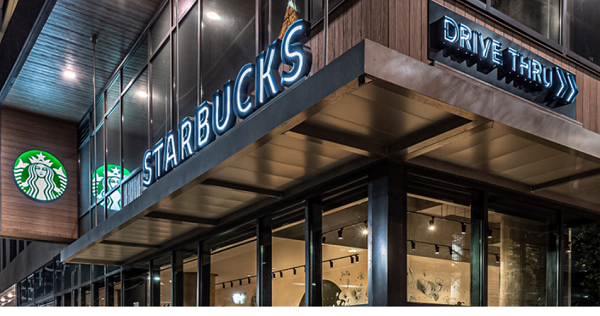
The Starbucks website has been updated regularly with news about the company’s response to COVID-19. Near the top of the page is a link to “At-a-glance: What customers need to know about Starbucks response to COVID-19.”

The big news is that stores will offer only drive-thru service for the next two weeks. In a letter to Starbucks partners (employees), the company promised 30 days of pay whether they work or not.
Discussion:
Analyze both the public website and the letter to partners. Describe the audiences and communication objectives of each.
What organizational structure is used for these bad-news messages?
What does Starbucks do well in its communications? How can communications be improved?
How well does the company balance emotional appeal and logical arguments?
In this post, you see “Starbucks response” on the company’s website and “Starbucks partners” in my text. Neither has an apostrophe. Is that correct?
Singapore PM Lee Hsien Loong
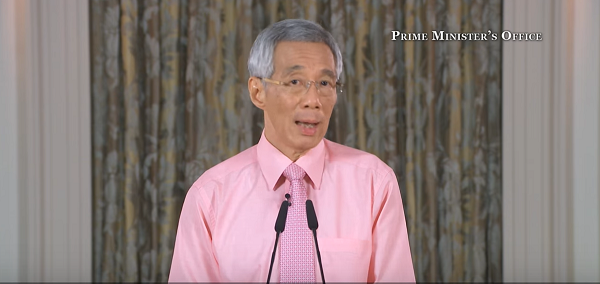
Two students sent me Singapore Prime Minister Lee Hsien Loong’s news conference as a positive example. I can see why: he gives a model speech, balancing emotional appeal and straight talk. He is proud of Singapore’s response, and yet he is honest about the challenges ahead. The PM also gives examples from other countries and the lessons learned.
Discussion:
What are the strengths of the Prime Minister’s speech?
Assess his delivery skills.
How have leaders in other countries followed this example—or how have they fell short?
Which leadership character dimensions does the PM demonstrate in his speech?

Comparing Airlines Messages About COVID-19

Transportation companies would like to see more people travel, yet people are wary of COVID-19. Compare these emails to travelers:
Discussion:
Analyze the messages: audience, communication objectives, organization, writing style, etc.
In what ways are the messages similar and different? How might the travel mode—airline or bus—affect the communication choices?
Which messages are most and least effective and why?
What’s your view of the American Airlines video? How does the media choice affect the message?

Communications About Kobe Bryant
NBA superstar Kobe Bryant, his daughter, and seven others died in a helicopter crash, and many are mourning the loss. At the Emmy’s, celebrities paid tribute to his life, and the NBA postponed a Lakers—Clippers game.
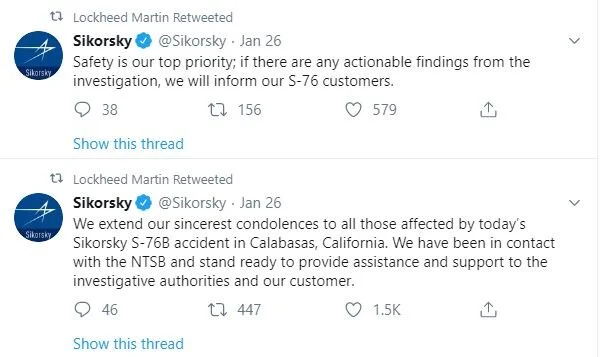
The helicopter company, Sikorsky, owned by Lockheed Martin, posted two tweets and a short statement on its website:
We extend our sincerest condolences to all those affected by the January 26th Sikorsky S-76B accident in Calabasas, California. We have been in contact with the NTSB and stand ready to provide assistance and support to the investigative authorities and our customer. Safety is our top priority; if there are any actionable findings from the investigation, we will inform our S-76 customers.
Discussion:
Analyze the Sikorsky messages. Who are their primary and secondary audiences? What are the communication objectives, and how well did the company achieve them?
Have you seen other communications from Sikorsky? Should the company do or say more? If so, what?
Boeing's Crisis Communication Plan

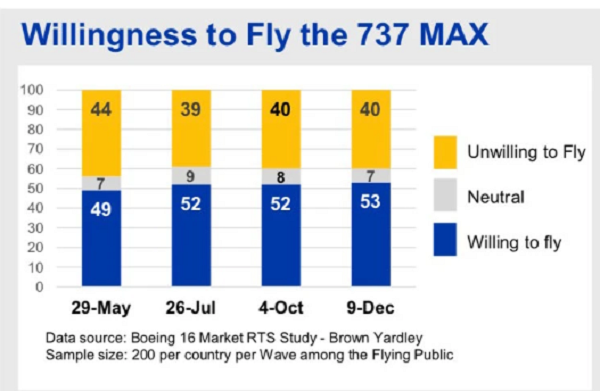
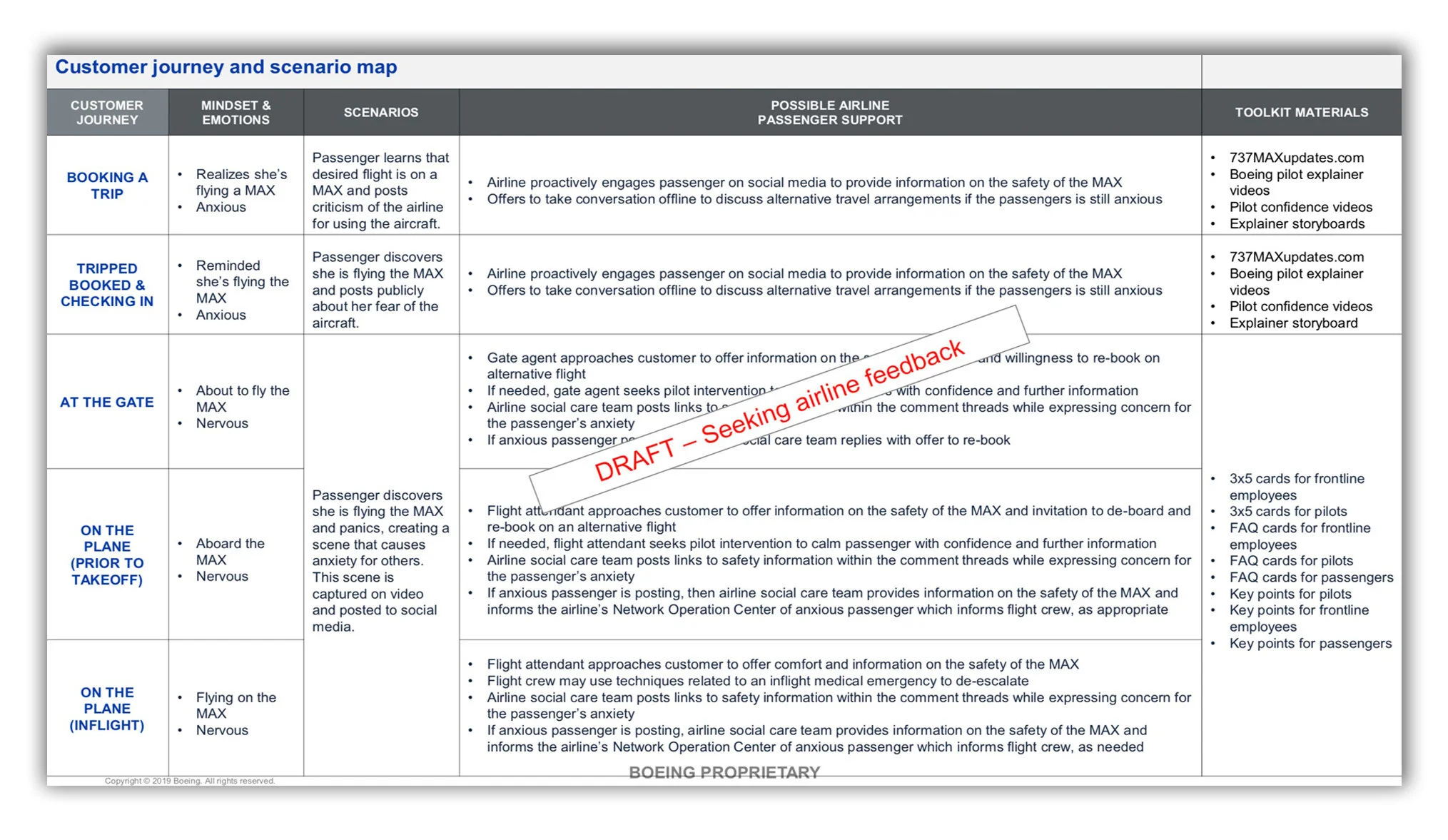
During the holiday break, several news items about Boeing were relevant to business communication and character. In one article, the New York Times revealed internal Boeing documents showing a company trying to rebuild its image after two MAX crashes within a year..
The documents give us an inside view of how the company plans to use persuasive strategies to win back customers. In one graphic, we see customers’ willingness to fly. In another, we see customer concerns and ways Boeing can address them, for example, with FAQ cards, “pilot confidence videos,” or personal connections (for example, “Flight attendant offers comfort and information on the safety of the MAX”).
Discussion:
What persuasive strategies does the company plan? Try to find examples of logical argument, emotional appeal, and credibility.
What are the consequences of this information becoming public? Does it likely endear the public to the company’s concerns, embarrass the company, or something else?
JPMorgan Recorded Phone Conversation
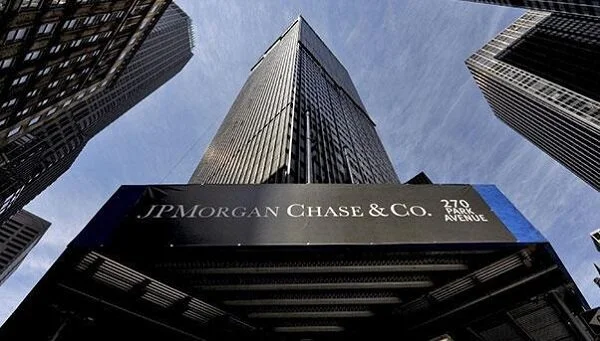
Jimmy Kennedy, an African-American former National Football League player, tried to open a private wealth account at JPMorgan but had trouble getting attention. He recorded a conversation with an African-American employee, Richardo Peters, who said, “You’re bigger than the average person, period. And you’re also an African-American. We’re in Arizona. I don’t have to tell you about what the demographics are in Arizona. They don’t see people like you a lot.”
In a New York Times article that published the recording, Peters recounted a specific example of discrimination against a Black customer. When he was trying to bring on another new client, who had received a large settlement, his manager said, “You’ve got somebody who’s coming from Section 8, never had a nickel to spend, and now she’s got $400,000, What do you think’s going to happen with that money? It’s gone.” His manager’s position was that the customer would not invest money with the bank.
Other incidents at the bank led to Peters’ termination, and he is suing for racial discrimination. JPMorgan also recently settled a class-action lawsuit for $24 million to Black employees who claimed discrimination: according to a New York Times report, “in some cases by isolating them from colleagues and dumping them in poorer branches.”
A few days later, CEO Jamie Dimon addressed the situation in a memo to employees.
Discussion:
How do you assess this situation at JPMorgan? Read more in the NYT article.
A February Essence article describes and praises JPMorgan’s Advancing Black Pathways program to support the Black community. What’s your view of the effort in light of this news?
How do you assess CEO Jamie Dimon’s response in the memo? We don’t see the entire memo, but CNBC posted quotes.

Letter from WeWork Employees
As WeWork plans layoffs, employees are asking for input into what happens to them and their peers. Referring to themselves as WeWorkers Coalition, the employees wrote a letter to the management team.
To the We Company Management Team:
WeWork’s company values encourage us to be “entrepreneurial, inspired, authentic, tenacious, grateful and together.” Today, we are embracing these qualities wholeheartedly as we band together to ensure the well-being of our peers.
We come from many departments across the company: building maintenance, cleaning, community, design, product, engineering and more. We believe that in the upcoming weeks we have the unique opportunity to demonstrate our true values to the world. This is a company that has inspired many of us, challenged us, and has been a formative personal and professional experience for those of us who began our careers here. WeWork has been not just a workplace, but a source of friendships and inspiration along the way.
We also believe our product can have a lasting positive impact on the world. We want to improve workplace happiness for millions of office workers and support small and medium sized businesses in their entrepreneurial efforts. We have been proud to support these goals and dedicate our time and talent to achieve them. This has been our story so far.
Recently, however, we have watched as layers are peeled back one-by-one to reveal a different story. This story is one of deception, exclusion and selfishness playing out at the company’s highest levels. This is a story that reads as a negation of all our core values. But this story is not over.
Thousands of us will be laid off in the upcoming weeks. But we want our time here to have meant something. We don’t want to be defined by the scandals, the corruption, and the greed exhibited by the company’s leadership. We want to leave behind a legacy that represents the true character and intentions of WeWork employees.
In the immediate term, we want those being laid off to be provided fair and reasonable separation terms commensurate with their contributions, including severance pay, continuation of company-paid health insurance and compensation for lost equity. We are not the Adam Neumanns of this world — we are a diverse work force with rents to pay, households to support and children to raise. Neumann departed with a $1.7 billion severance package including a yearly $46 million “consulting fee” (higher than the total compensation of all but nine public C.E.O.s in the United States in 2018). We are not asking for this level of graft. We are asking to be treated with humanity and dignity so we can continue living life while searching to make a living elsewhere. In consideration of recent news, we will also need clarity around the contracts our cleaning staff will be required to sign in order to keep their jobs, which are being outsourced to a third party. Those of us who have visas through WeWork need assistance and adequate time to find a new employer to sponsor our respective visas.
In the medium term, employees need a seat at the table so the company can address a broader range of issues. We’ve seen what can happen when leadership makes decisions while employees have no voice. We will need to see more transparency and more accountability.
We also need the thousands who maintain our buildings and directly service members to receive full benefits and fair pay, rather than earning just above minimum wage.
We need allegations of sexual misconduct and harassment to be taken seriously, acted on immediately and resolved with transparency.
We need diversity and inclusion efforts to materialize into real actions, not just talking points at company meetings.
We need salary transparency so we can surface and address systemic inequalities.
We need an end to forced arbitration contracts, which strip employees of their right to pursue fair legal action against the company.
We need all of this, and more.
In the long term, we want the employees who remain at WeWork, and those who join in the future, to inherit something positive we left behind. We want them to never find themselves in this position again, and for that to happen, they need a voice.
With this letter we are introducing ourselves, the WeWorkers Coalition. We are taking full advantage of our legal right to establish this coalition, and in doing so, we hope to give the future employees of WeWork the voice we never had.
We want to work with you. Please join us in writing a better ending to this chapter of the WeWork story.
By this Thursday at 5:00 p.m. EST, we would like to receive confirmation of your receipt of this letter and an indication of your willingness to meet us.
The WeWorkers Coalition
@weworkersco • info@weworkersco.org • #weworkers-coalition
Discussion:
What principles of business writing do the employees follow?
What persuasive strategies do they use in the letter? Find examples of logical argument, emotional appeal, and credibility.
What do you consider the strongest and weakest arguments?
What leadership character dimensions are illustrated in this situation?