

Questions Are Different for Women in Economics
A working paper shows that women in economics receive more and tougher questions than do their male counterparts. Researchers analyzed data from 462 presentations at seminars and job talks, when candidates present their research to prospective faculty colleagues.
Controlling for fields, types of seminars, and other factors, the researchers found that women receive 12% more questions and more “hostile” or “patronizing” questions. One concern is that woman might be discouraged from presenting their work or applying for positions, which hurts the field of economics.
The authors note that less than one percent of presenters were Black or Hispanic, so no conclusions could be drawn about how these groups are treated.
The authors acknowledge that these questions may not result from ill intent but may be a result of implicit bias or part of a more systemic male-dominated culture. Sadly, the authors say that some comments are “demoralizing,” and again, they warn of the negative impact on the field:
“Many of us have heard stories of friends and colleagues whose bad experiences in seminars have led them to re-evaluate whether a career in economics is really the best choice for them.”

Workers Want to Stay Home

Employees aren’t anxious to return to an office, which may forever change communication. Studies show that, since the pandemic, 61% of people would prefer to work from home full time, compared to 27% before the pandemic. Also, although about 32% didn’t want to work from home at all before the pandemic, 4% now have the same sentiment.
Employees report positive results from working from home, including greater efficiency. Although many have been challenged with children at work, overall, the unintended experiment has been successful.
Because more people will work from home, at least part time, teams need to be better collaborators, and managers need to be better managers. We have relied too heavily on simplistic measures, such as time spent in the office, with no better measures of accountability, output, and impact.
Leaders will need to find ways to keep employees connected to their organizations and to each other. Many employees are feeling “Zoomed out,” but we’ll need ways to socialize and build informal connections that help develop trust and make work easier to manage.

How to Check in on People in Difficult Times
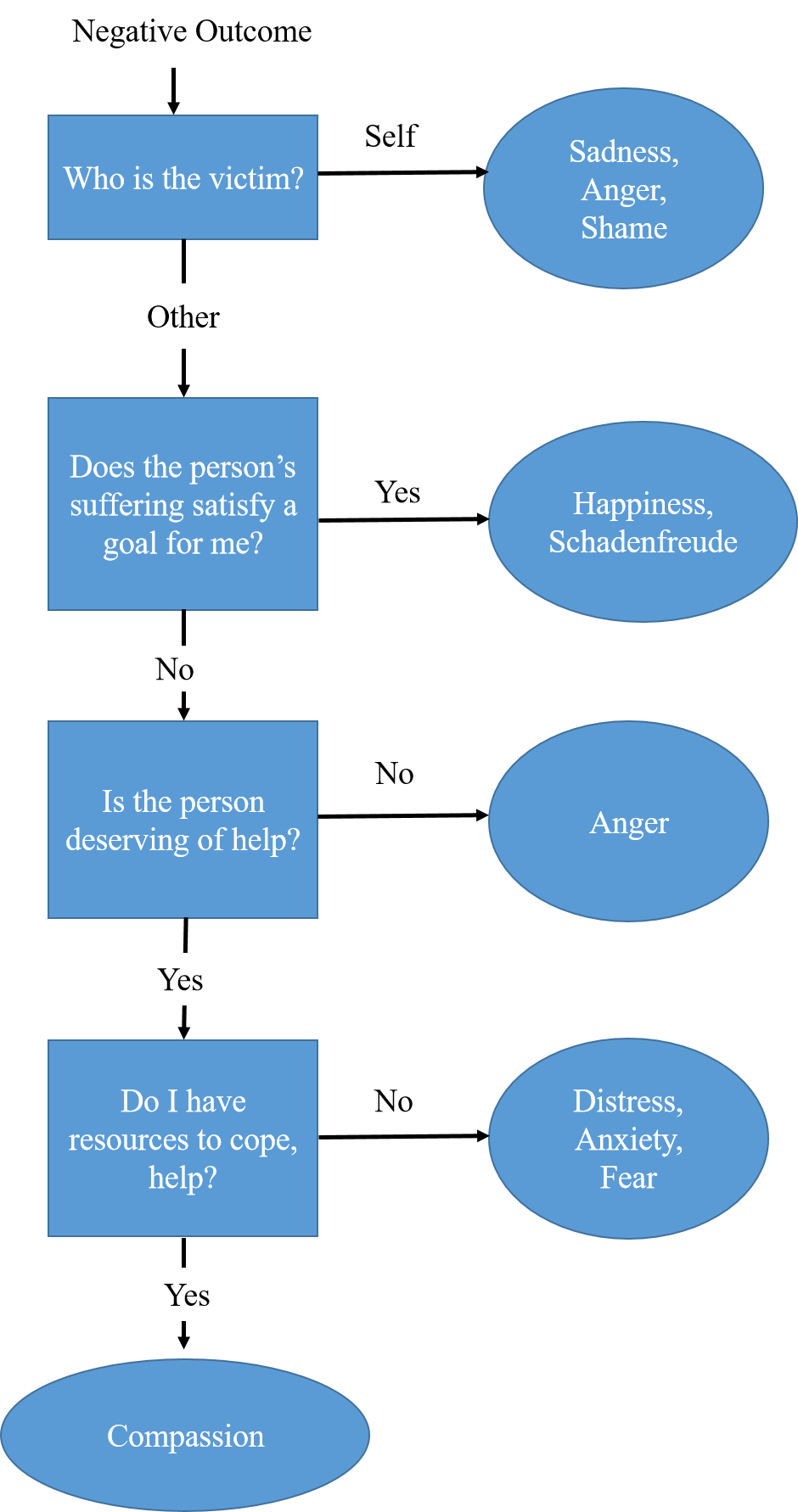
A New York Times article, “How to Ask if Everything Is OK When It’s Clearly Not,” suggests ways to offer compassion. Here are Anna Goldfarb’s recommendations:
Check for signs of distress: moodiness, unkempt appearance
Check yourself first: Are you in a good place to engage?
Be specific about your observations: What behavior could indicate a problem?
Ask general or specific questions, depending on your relationship:
“Is anything on your mind?” or
“How are your kids adjusting to so many changes at school?”
Or just make a statement: “I’m wondering how you are.”
Talk about your own challenges; be vulnerable
Just listen; you don’t have to solve anyone else’s problem
Set a time to follow up
This article reminds me a model for appraising whether we offer compassion. This version is in Building Leadership Character, adapted from Jennifer Goetz, whose article was published in Psychological Bulletin.
Discussion:
How comfortable would you feel engaging someone in this way during the pandemic? What might prevent you from doing so?
Think of a time when you offered someone compassion. How does the appraisal model apply? How about a time when you didn’t offer someone compassion?

P&G Commercials Demonstrate Empathy
Two Proctor and Gamble ads illustrate the role of empathy in understanding aspects of being Black in America. The first ad here, “The Look,” shows how a Black man experiences others’ reactions to him throughout the day. The second ad allows the viewer to watch intimate conversations that Black families have about race.
Discussion:
How would you describe the role of empathy in addressing bias?
What are the objectives of these ads? How well do they meet those objectives?
What makes these ads effective—or not—in your opinion?

Company Statements About George Floyd's Murder

Business Insider has assembled a list of companies’ statements and promised actions following the killing of George Floyd and the public protests.
TikTok, General Motors, McDonald’s—many brands are jumping into the conversation and posting messages that are both placating and inspiring.
Discussion:
Read the list of statements and actions. Which sound most meaningful to you?
Should all brands post a message? Which should, and what is important to convey?

Atlanta Mayor Speaks to Protests
Atlanta Mayor Keisha Lance Bottoms delivered a speech from the heart and from her experience. Mayor Bottoms speaks from her experience as an African-American mother and implores people to protest peacefully.
Discussion:
Analyze the mayor’s speech: audience, communication objectives, organization, tone, delivery style, and so on. What works well, and what could be improved?
In what ways does this speech demonstrate authenticity? How does the mayor’s identity play a role in her message and her delivery?

Facebook's Position on Twitter's Labeling
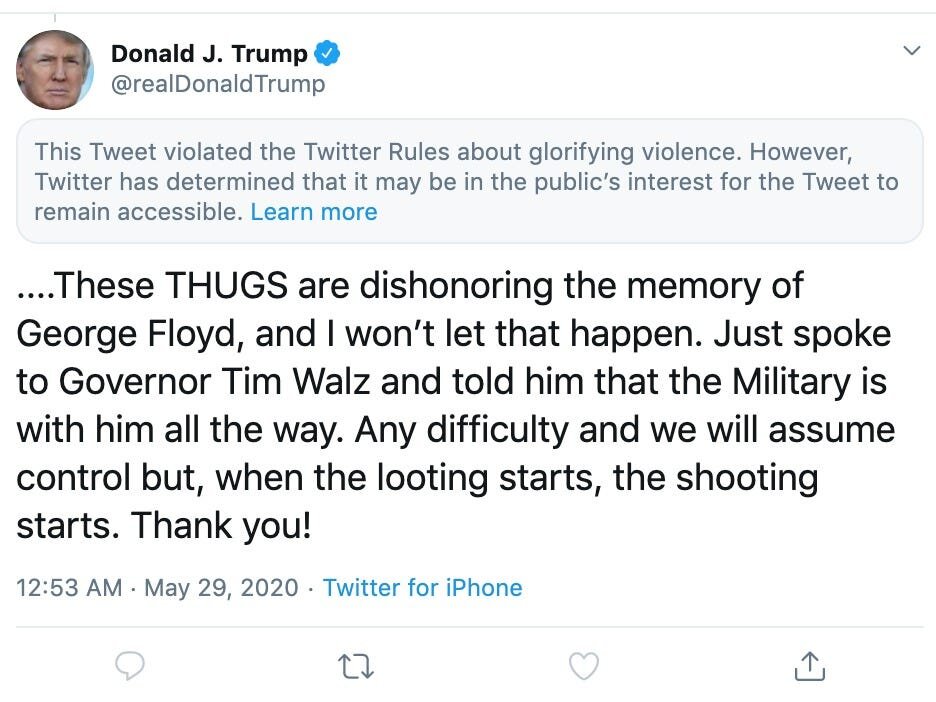
Facebook CEO Mark Zuckerberg weighed in on Twitter’s decision to fact-check and label some of President Trump’s tweets. In response to protests after the death of George Floyd, one tweet promised “when the looting starts, the shooting starts.” Twitter hid the tweet with a note that it “violated the Twitter Rules about glorifying violence.”
Another tweet claimed that “mail-in voting will lead to massive fraud and abuse,” and Twitter posted a warning to “get the facts.” Until now, Twitter had not enforced its policies for the president’s tweets.
Facebook is taking a different tack. CEO Mark Zuckerberg described the company’s position:
"I believe strongly that Facebook shouldn't be the arbiter of truth of everything that people say online. I think in general, private companies shouldn't be, especially these platform companies, shouldn't be in the position of doing that."
The Wall Street Journal editorial board defended Zuckerberg’s decision: “We wish Facebook would take a lighter touch when it comes to political speech overall.”
Discussion:
What’s your view of Twitter’s actions? Why do you think the company began labeling President Trump’s tweets now?
Should Facebook follow suit? How might each company’s mission play a role in its actions?

A Leader Example in My Book Is Charged With Conspiracy
I was sad to see that Paul Kruse, former CEO of Blue Bell Creamery, has been charged with covering up the listeria breakout in 2015. In my book, Building Leadership Character, Kruse is a positive example of a leader who demonstrates vulnerability. His 2016 video announcing employee layoffs after the breakout was emotional and authentic.
Prosecutors say that Kruse delayed recalling tainted products, instructed employees to tell customers that product delays were caused by mechanical problems, and failed to take other appropriate action.
Blue Bell agreed to pay $19.5 million to the Department of Justice and posted a statement on its website, which focuses more on the future than on the past.
Discussion:
Can you reconcile both perspectives of Kruse as a leader? Could he be someone who covers up listeria and someone who gets emotional when talking about employee layoffs?
Assess the company’s statement. Who are the audiences, and what are the communication objectives?

United Airlines Message
The COVID-19 messages keep coming from airlines and other companies. Here’s one from United Airlines, encouraging us to fly by offering flexibility and promising cleanliness.
Dear Amy,
As we all adjust to this new normal, my thoughts are with you and your families and I hope you're staying safe and healthy. The last several weeks have been emotional and trying for all of us, but I continue to be inspired by the goodness in people and the genuine acts of kindness, large and small, that I see every day. These gestures of warmth, strength and caring give me the confidence that in time, we will emerge more United Together than ever before.
It's in that spirit that I wanted to share with you some good news about what the 100,000 family members of United Airlines have been doing for you as we tackle the biggest and most disruptive crisis we've faced in our 94‑year history.
Good news as you're making travel plans
Life is unpredictable in lots of ways right now. We know many of you started the year planning to fly with us to visit family, go to a game or concert, attend a trade show or just get away. And you might be feeling anxious about what to do about your upcoming travel plans. That's why we've waived the fees to change or cancel any trip with us through the end of 2020, including travel that was already planned as well as trips that you're hoping to take in the future. Every customer now has until May 31 to make changes to current reservations or book new flights that can be changed or canceled without a fee, and you'll be able to reschedule your trip for anytime in the next 12 months. So take the next few weeks and do what's best for you, your family and your work.
Good news for when you choose to fly
Safety has always been our top priority, and because of that, the social distancing and cleaning procedures that have become a way of life for all of us are now staples of the way we run our airline. When you're ready to fly, you'll see that a lot has changed at the airport and on board our aircraft. We're boarding fewer customers at a time and starting from the back of the plane to avoid crowding in the gate area, on the jet bridge and in the aisle. We're automatically blocking middle seats to give you enough space on board, requiring all our employees on board, including our flight attendants, to wear masks and, in early May, making masks available to our customers. Of course, these measures are in addition to our state‑of‑the‑art sanitization procedures like cleaning our aircraft with electrostatic sprayers, and extra precautions like taking our employees' temperatures before they start work to protect the well‑being of our customers and colleagues. Find a complete overview of what's changed at United to adapt to this new normal.
Good news for our communities
While we wait to welcome you back, we've been using our time and resources to do our part and support those on the frontlines of this crisis as well as the millions of families who have been affected by the most dramatic disruption of the labor market since the Great Depression. Leveraging the full power of our airline to do the right thing, we've flown more than 1,000 medical volunteers for free; donated 170,000 pounds of food; and used our fleet to get close to 20,000 stranded people home and medical supplies to the places that need them most. Here are just a few examples of how we're contributing in the fight against COVID‑19:
I'll end where I started: I hope you and your family continue to be well. This crisis has revealed a great deal about who we are as people and I'm moved by your continued resilience and resolve. We look forward to welcoming you the next time you take to the friendly skies.
Stay safe and be well,
Toby Enqvist
Chief Customer Officer
United Airlines
Discussion:
What principles of business communication does the United message follow? What could be improved?
How does this message compare to others you received recently?
After reading the Morning Consult report about messaging during COVID-19, what recommendations would you make to United?

What Not to Say

An article posted on Medium, “11 Things Socially Aware People Don’t Say,” offers good advice during this crisis—and for other times. Michael Thompson suggests avoiding the following: “I told you so,” “I know how you feel,” “Good luck with that,” “It’s not my fault,” “It’s all in your head,” “That was stupid,” “You always/You never,” “Everything happens for a reason,” “As I said before,” and “With all due respect.”
I would add one: “Frankly” or “Honestly.” When people introduce a statement this way, I find myself disbelieving them and questioning what they say typically. Without the preface, I’ll assume you’re speaking frankly and honestly.
Discussion:
Many of these phrases have a positive or harmless intent, but how could the impact be harmful?
What could you say instead of these expressions?
What would you add to this list?

Governor Cuomo's Leadership
A Wall Street Journal article analyzes NY Governor Cuomo’s leadership during the coronavirus pandemic. Crisis communication experts conclude that, although he’s not a naturally gifted orator, he is doing what the public needs now.
People appreciate the governor’s focus on facts and his direct style as well as his discussions of emotion and his brother’s illness, which “humanize” him.
The article sites Cuomo’s current popularity: “Gov. Andrew Cuomo’s job-performance rating soared in March to its highest level ever, according to a poll conducted by the Siena College Research Institute.”
Performer Randy Rainbow produced a funny video, “ANDY!” to the tune of “Sandy” from the musical Grease about his appreciation.
Discussion:
Read the article for other conclusions about the governor’s leadership style. With which ideas do you agree and disagree?
What other examples have you seen of people stepping up when the situation required them to be leaders? How did they do?
WHO Official Bungles Interview
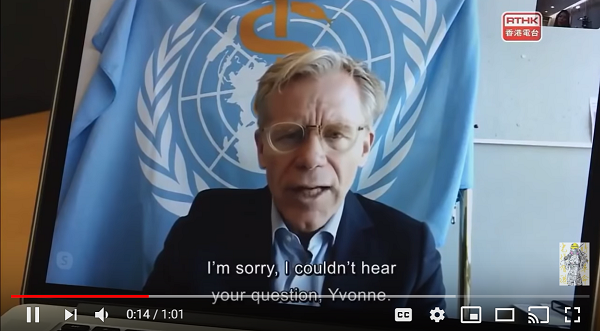
World Health Organization (WHO) senior adviser Bruce Alyward wanted to avoid a reporter’s question about Taiwan becoming a member of the organization. A video of the interview shows an awkward exchange, with Alyward remaining silent (but we still see him moving and hear sounds), saying “Sorry, I couldn’t hear your question,” asking the reporter to move onto another question, and then, finally, ending the call. During a follow-up call, Alyward refers to China and then abruptly ends the call.
Taiwan has had good success in controlling COVID-19, and the government claims to have warned the WHO back in December 2019 about the contagion.
As of today, Alyward’s name is removed from WHO’s website listing advisers to the organization.
Discussion:
What is a better way for Alyward to have handled the reporter’s question?
Why do you think the WHO ignored warnings from the Taiwanese government?

Too Many COVID-19 Emails?

A Fast Company article criticizes brands for sending emails without real connections to customers. Consumers are getting annoyed at seemingly random emails from companies that happen to have their email. The author offers this advice:
The best way that brands should be responding is if they actually have something to say or contribute. Our patience for marketing fluff is low at the best of times, but now it’s positively toxic.
Discussion:
Think about the emails you have received recently. Which were more useful or meaningful to you than others? Why is that the case?
What advice do you have for companies debating whether and what types of emails to send?

FreshDirect Message

Dear FreshDirect Team Members, Suppliers, and Customers,
In the past few weeks, our community has come together in an extraordinary way as we navigate this ‘new normal’ of everyday life for the foreseeable future. Our team members, our suppliers, and our customers are all part of this evolving conversation so I thought it appropriate to address everyone together.
Thank you, first and foremost, to our remarkable FreshDirect employees who are receiving, preparing, packing and delivering food during this extremely challenging time, and working around the clock to serve even more customers. Your dedication and perseverance is inspiring, and I’m privileged and proud to be on your team. You are true heroes.
Thank you to all of our suppliers, particularly our food suppliers on farms, boats and ranches, who, even with their own challenges, tell us that they will stop at nothing to not let us down. Grocers are now being called heroes, but know that we consider all of you heroes as well – boots on the ground, ensuring that the quality food that you grow continues to roll.
Thank you to our loyal customers, for trusting us to serve you and your family during this unimaginable time, and for continually asking about our team members, sharing encouragement and appreciation for all they are doing to provide food. The shift of virtually all food consumption into the home has strained the entire food industry, and we are all working tirelessly to address the resulting shortage in time slots.
Together, as a community, we are going to be doing even more to help others.
In just the last 10 days, the FreshDirect customer community has donated over $75,000 to the NY Common Pantry, an organization that for years has been helping others and now needs a helping hand. The FreshDirect employee community continues to support them as well, by packing and delivering thousands of boxes every week.
And this week, we are launching a new public/private partnership with the five NYC Borough Presidents, which we’ve dubbed Operation 5 Borough Food Drive. Starting Tuesday, the FreshDirect team will be donating and packing 2,000 boxes of food staples each weekday. These boxes will be delivered at the direction of each Borough President to those in need, free of charge, thanks to the generosity of our suppliers.
Thank you, and stay healthy and strong.
David
Discussion:
Analyze the message: the audiences, communication objectives, and so on.
What works well, and what could be improved?
How do you assess the message, given criticism of the Fast Company article?

Quantifying a Tweet
When someone in an organization goes rogue and sends a tweet, what’s the potential damage? The NBA found out the hard way that the financial impact could be significant.
In October 2019, Houston Rockets General Manager Daryl Morey supported Hong Kong protests in a tweet. As a result, Chinese advertisers pulled their ads and broadcasters wouldn’t air games. Now, NBA commissioner Adam Silver admits the loss will total “hundreds of millions” of dollars and “probably less than $400 million.” Silver expanded on the damage:

“It’s substantial. I don’t want to run from that. We were taken off the air in China for a period of time, and it caused our many business partners in China to feel it was therefore inappropriate to have ongoing relationships with us. But I don’t have any sense that there’s any permanent damage to our business there.”
Discussion:
Review the situation from October. What lessons can managers learn?
What’s your view of Silver admitting the loss? What are the arguments for and against his honesty?

Communications About Kobe Bryant
NBA superstar Kobe Bryant, his daughter, and seven others died in a helicopter crash, and many are mourning the loss. At the Emmy’s, celebrities paid tribute to his life, and the NBA postponed a Lakers—Clippers game.
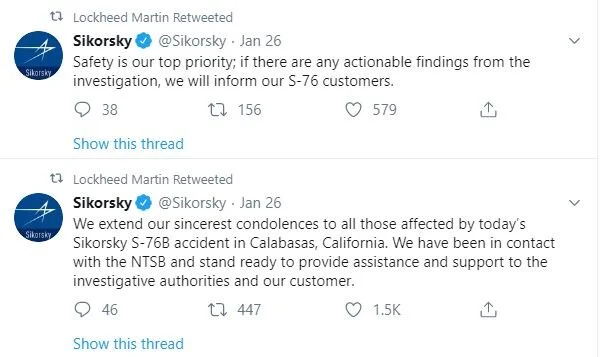
The helicopter company, Sikorsky, owned by Lockheed Martin, posted two tweets and a short statement on its website:
We extend our sincerest condolences to all those affected by the January 26th Sikorsky S-76B accident in Calabasas, California. We have been in contact with the NTSB and stand ready to provide assistance and support to the investigative authorities and our customer. Safety is our top priority; if there are any actionable findings from the investigation, we will inform our S-76 customers.
Discussion:
Analyze the Sikorsky messages. Who are their primary and secondary audiences? What are the communication objectives, and how well did the company achieve them?
Have you seen other communications from Sikorsky? Should the company do or say more? If so, what?
Panera Extends Social Media Listening
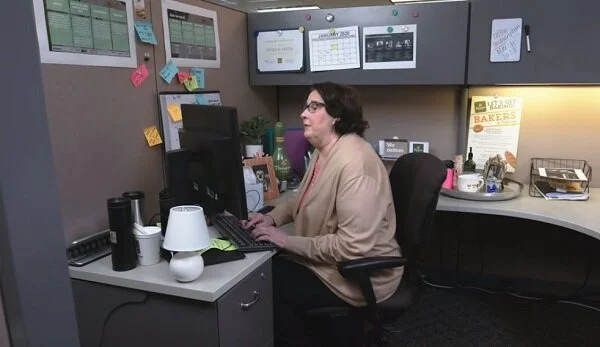
Panera responded to complaints about its Bistro French Onion soup with a clever approach: hiring the character Phyllis from “The Office” TV show.
The restaurant chain had promised that the soup would return, but it didn’t, and fans protested on social media. In addition to actively responding to customer complaints on social sites, Panera created a video showing a fake social media manager and Phyllis, as a social media coordinator.
The approach shows that Panera is listening and responding to customers, and it helps customers see the company’s point of view.
Discussion:
What’s your view of the video? How would you describe the potential impact in a few words?
More specifically, what are the communication objectives for this video message? Consider the audience and what the company hopes customers will do, think, and feel differently after watching the video.

Boeing Internal Documents Don't Reflect Well on Safety

The lead article in today’s The Wall Street Journal is titled, “Internal Boeing Documents Show Cavalier Attitude to Safety.” In 150 pages of emails and other documentation, employees worry that they don’t have enough time to correct safety issues and refer to regulators as “morons” and “stupider.”
In February 2018, one employee wrote, “Would you put your family on a MAX simulator trained aircraft? I wouldn’t.” A pilot wrote, “I still haven’t been forgiven by god for the covering up I did last year. Can’t do it one more time. Pearly gates will be closed.” Still another employee wrote, “This airplane is designed by clowns, who in turn are supervised by monkeys.”
A defense attorney argues that employees were just “blowing off steam” in their emails.
In the past few months, Boeing’s culture has come to light—once lauded as a place where people felt proud to work but now a place where people feel stressed and remorseful. CEO Doug Muilenberg has since been terminated and replaced temporarily by CFO Doug Smith.
Discussion:
Read more about the internal communications. What lessons can employees and their managers take away from this story?
What’s your view of the emails? Do they indicate big problems at the company, or is the attorney right that employees are just venting to each other? How does the concept of “cherry picking” come into play?
What should Boeing do to manage this situation? Consider this news in light of the company’s crisis communication planning you read about in another post.

Facebook Memo Goes Public

Facebook executive Andrew Bosworth wrote a 2,551-word memo about the company’s role in the upcoming election and more. Bosworth compliments President Trump’s use of Facebook ads and admits that the site impacted the 2016 U.S. election. A Vox article describes Boswell’s logic:
Bosworth’s memo has much more in there, which is getting plenty of deserved attention, including the assertion that Facebook did indeed help Donald Trump win the 2016 election — by giving him the tools to run “the single best digital ad campaign I’ve ever seen from any advertiser. Period.” And the memo also reveals that Bosworth, a self-described “committed liberal,” fantasizes about using Facebook to prevent Trump from winning in 2020, but won’t.
The memo is also attracting attention because Bosworth compares Facebook to sugar and places responsibility on the user: “At the end of the day we are forced to ask what responsibility individuals have for themselves."
Bosworth ends the memo with a question:
To bring this uncharacteristically long and winding essay full circle, I wanted to start a discussion about what lessons people are taking away from the press coverage. My takeaway is that we were late on data security, misinformation, and foreign interference. We need to get ahead of polarization and algorithmic transparency. What are the other big topics people are seeing and where are we on those?
Discussion:
Read the entire memo . What surprises you most?
How damaging is the memo to Facebook’s image, particularly with another election coming up? How does a memo like this—posted on an internal site—become public?
What business writing principles does Bosworth follow, and how could he improve the memo?
JPMorgan Recorded Phone Conversation
Jimmy Kennedy, an African-American former National Football League player, tried to open a private wealth account at JPMorgan but had trouble getting attention. He recorded a conversation with an African-American employee, Richardo Peters, who said, “You’re bigger than the average person, period. And you’re also an African-American. We’re in Arizona. I don’t have to tell you about what the demographics are in Arizona. They don’t see people like you a lot.”
In a New York Times article that published the recording, Peters recounted a specific example of discrimination against a Black customer. When he was trying to bring on another new client, who had received a large settlement, his manager said, “You’ve got somebody who’s coming from Section 8, never had a nickel to spend, and now she’s got $400,000, What do you think’s going to happen with that money? It’s gone.” His manager’s position was that the customer would not invest money with the bank.
Other incidents at the bank led to Peters’ termination, and he is suing for racial discrimination. JPMorgan also recently settled a class-action lawsuit for $24 million to Black employees who claimed discrimination: according to a New York Times report, “in some cases by isolating them from colleagues and dumping them in poorer branches.”
A few days later, CEO Jamie Dimon addressed the situation in a memo to employees.
Discussion:
How do you assess this situation at JPMorgan? Read more in the NYT article.
A February Essence article describes and praises JPMorgan’s Advancing Black Pathways program to support the Black community. What’s your view of the effort in light of this news?
How do you assess CEO Jamie Dimon’s response in the memo? We don’t see the entire memo, but CNBC posted quotes.