
Using Alt Text for Its Intended Purpose

An alternative-text feature allows blind readers and those with low vision to hear descriptions of what they can’t see online. The point is to improve digital accessibility. NASA uses the feature with an “ALT” link that opens an “Image Description.”
This Harvard Digital Accessibility guide provides tips for writing good alt text:
Add alt text all non-decorative images.
Keep it short and descriptive, like a tweet.
Don’t include “image of” or “photo of.”
Leave alt text blank if the image is purely decorative
It's not necessary to add text in the Title field.
I would amend this list by suggesting that writers limit the number of “purely decorative” images in favor of meaningful ones.
Twitter users and others are frustrated by alt text that doesn’t meet these criteria and, worse, is used for purposes other than increasing accessibility. Unfortunately, people are using this feature for source information, additional captions, or jokes. Of course, this does nothing to help users who need assistance navigating web content—the intended purpose of alt text.
Starbucks Message About Store Safety

Responding to employee concerns about crime, drug use, and other challenging incidents in several stores, Starbucks announced 16 store closings. The company promised to redeploy partners in those locations and reassured all workers that safety is a priority.
As usual, Starbucks posted a message on its public blog. The title, “Message to Starbucks partners: Safety in our stores,” starts with empathy, acknowledging that employees’ concerns have been heard. Two senior VPs of operations wrote, “We read every incident report you file—it’s a lot.”
The message provides eight ways the company will ramp up safety protections for store employees. Training, policies, alarm systems, counselors, health benefits, etc. demonstrate accountability and compassion.
Of course, this communication comes on the heels of increased union activity in Starbucks stores. Still, the company does seem to be "doing the right thing” for its employees, and the message is clear, well organized, and audience focused. One example of audience focus is mentioning the possibility of closing stores but not announcing the specific closures, which affect some employees but not all, as this message is intended.
Companies Navigate Comms After Roe v. Wade

After the U.S. Supreme Court decision to overturn Roe v. Wade, women’s constitutional right to have an abortion, companies are faced with thorny decisions about whether and how to communicate. Leaders have become more vocal on social issues, for example, gay marriage and Black Lives Matter, but this situation may be more complicated.
Several companies have expanded their health care coverage to include travel for medical procedures, but they avoid the word “abortion.” For example, Disney sent an email to staff:
“We have processes in place so that an employee who may be unable to access care in one location has affordable coverage for receiving similar levels of care in another location,” including, “family planning (including pregnancy-related decisions).”
Other companies were more direct. Back in April, after the Texas ruling that limited abortions, Yelp’s chief diversity officer said, “We want to be able to recruit and retain employees wherever they might be living,” She raised the issue of equity—access for employees who may not have the funds to travel. She also said, “The ability to control your reproductive health, and whether or when you want to extend your family, is absolutely fundamental to being able to be successful in the workplace,”
Starbucks, facing unionization efforts and staffing issues, sent three letters to partners during the past few months and posted them publicly. Each uses the word “abortion” and acknowledges different views on the subject and that some may feel “disheartened or in shock.”
How companies approach these communications reflects their business, employee base, location, and culture. We might expect Starbucks, whose founder and current interim CEO Howard Schultz has consistently been vocal on controversial issues. Starbucks leaders demonstrated courage, vulnerability, compassion, and integrity—standing up for what they believe is right, despite strong feelings on the other side.
Musk's Meeting with Twitter Employees

A summary of Elon Musk’s meeting with Twitter staff gives us a window into a typical “all-hands meeting.” Employees who ask questions demonstrate courage—and humility.
Of course, in this case, employees are most concerned about their jobs if/when Musk’s acquisition of the company is final. A Wall Street Journal article describes his stance:
Regarding layoffs, Mr. Musk said anyone who is a significant contributor shouldn’t have anything to worry about, according to people who viewed the meeting. “Right now, costs exceed revenue,” he said, according to the people. “That’s not a great situation.”
Likewise, this isn’t a great response for worried staff. How do they know whether they are “a significant contributor”? Doesn’t everyone believe that they are? As one person tweeted, “still not sure if I need to start packing my bags.” The company might lose good people in the meantime—people who don’t want to stick around to see what happens.
As expected, Musk was asked how he views freedom of speech. Musk distinguished between freedom of speech and “freedom of reach,” giving the example of “walk[ing] into the middle of Times Square and deny[ing] the Holocaust" but not allowing that to be promoted. "So I think people should be allowed to say pretty outrageous things that are within the bounds of the law, but then that doesn’t get amplified. It doesn’t get, you know, a ton of reach."
A lot of uncertainty remains for Twitter employees. It’s difficult to know how sincere the meeting was. As this employee cartoon suggests, employees expected that the meeting, although billed as confidential, would be leaked. Still, the format was probably useful for employees to hear directly from Musk, which is the point of these meetings, whether in person or virtual.
A Different Approach to Customer Replies
Squarespace is trying to reduce the volume of customer requests to handle, and I like the approach. I received this email three days after I submitted a ticket on the website.
From: Squarespace Customer Care <customercare@squarespace.com>
Sent: Tuesday, June 7, 2022 9:06 AM
To: Amy Newman <amynewman@cornell.edu>
Subject: [Support] Re: Automatic weekly?
##- Please type your reply above this line -##
Hello, this is Squarespace Customer Support. We're writing to confirm that we received your email a few days ago and are still working to respond as soon as possible.
We're currently experiencing a high volume of requests, so it's taking us longer than usual to respond. We apologize for any inconvenience this causes.
If you've resolved your issue since contacting us, please reply with the word "solved" to let us know and we'll close the case on your behalf. You can reopen a closed case at any time by replying to the thread.
If you want to speak to someone directly about your issue, contact us via live chat. Live chat is available Monday - Friday from 4:00 AM to 8:00 PM ET. To start a chat, visit this link, choose a topic, then select Live Chat:
https://support.squarespace.com/hc/en-us/requests/new#choose-topic
I wonder what percentage of customers resolve their own issue before the company can respond. Either way, this message gives customers some control over their fate and may reduce frustration. It worked for me, partly because the declining customer experience is well known and not unique to Squarespace.
It might not work for customers with a serious issue, but they can follow options in the last paragraph. In this sense, the message is a bad-news reply and, like most, it’s also persuasive. Students can analyze how well the writing style and organization work for the audience and purpose.
Another Elon Musk Email: Layoffs
Elon Musk has a unique way of announcing bad news. In an email to employees, which he sent to the New York Times and other news organizations, Musk is brief and direct.
To: Everybody
Subject: Headcount Reduction
Date: Friday, June 3, 2022
Tesla will be reducing salaried headcount by 10% as we have become overstaffed in many areas. Note this does not apply to anyone actually building cars, battery packs or installing solar. Hourly headcount will increase.
Elon
Business communication students can compare this message to principles in Chapter 8 for delivering bad news, particularly about jobs. Musk’s email doesn’t quite measure up. A better example is from Brian Chesky, Airbnb. Chesky tailors the message to his audience, letting them know why the decision was made, how it affects them, and what they can expect. He demonstrates vulnerability and compassion to those leaving—and to those staying.
Elon Musk's Harsh Emails
Elon Musk wants employees to work in the office, and he doesn’t waste words in getting his message across. In two emails, below, to Tesla and SpaceX employees, Musk requires at least 40 hours of work in a company main office.
First email:
Subject: Remote work is no longer acceptble [sic]
Anyone who wishes to do remote work must be in the office for a minimum (and I mean *minimum*) of 40 hours per week or depart Tesla. This is less than we ask of factory workers.
If there are particularly exceptional contributors for whom this is impossible, I will review and approve those exceptions directly.
Moreover, the “office” must be a main Tesla office, not a remote branch office unrelated to the job duties, for example being responsible for Fremont factory human relations, but having your office be in another state.
Thanks,
Elon
Second email:
Subject: To be super clear
Everyone at Tesla is required to spend a minimum of 40 hours in the office per week. Moreover, the office must be where your actual colleagues are located, not some remote pseudo office. If you don’t show up, we will assume you have resigned.
The more senior you are, the more visible must be your presence. That is why I lived in the factory so much – so that those on the line could see me working alongside them. If I had not done that, Tesla would long ago have gone bankrupt.
There are of course companies that don’t require this, but when was the last time they shipped a great new product? It’s been a while.
Tesla has and will create and actually manufacture the most exciting and meaningful products of any company on Earth. This will not happen by phoning it in.
Thanks,
Elon///
In case it wasn’t clear, Musk tweeted consequences for employees who fail to follow his rules: “They should pretend to work somewhere else.” Musk is known for being demanding and direct. I refer to his emails as “harsh,” but not everyone will agree.
Musk has reasons for his decision, but he doesn’t include them. His strategy is coercion (implied, and then explicit in his tweet). He will get compliance, but I wonder how motivated and satisfied employees will be to work long hours in an office after having the flexibility to work from home.
Argument for Public Health Approach to Reduce Shootings

After the tragic shooting at a Texas elementary school, pundits are proposing ways to finally reduce gun deaths. A New York Times opinion article, with graphics, describes a public health approach, which is different from what Nicholas Kristof calls the “liberal approach” of gun control.
The article is a good example of persuasive communication with descriptive message titles and infographics to illustrate each main point. Kristof summarizes his ideas in a 3 X 3 matrix.
In addition to his mix of text of graphics, Kristof uses strong language throughout, including the ending: “So let’s not just shed tears for the dead, give somber speeches and lower flags. Let’s get started and save lives.” I find the balance of logical argument, emotional appeal, credibility (logos, pathos, ethos) appropriate, but others might disagree.
Questions for business communication students might be, does Kristof demonstrate both courage and compassion, and how well do the graphics illustrate the main points of Kristof’s argument?
Starbucks CEO Letter to Partners
After his first month back as CEO, Howard Schultz posted a letter to employees, promising changes. As Starbucks faces labor shortages and more unionized stores, Schultz is doing his best to quell further unrest—and to return to the HR practices, such as benefits for part-time employees back in 1988, that gave the company the reputation as a good employer.
I wonder how this letter “lands” with employees. Is it specific enough? Does it address their bottom-line needs, like enough pay to buy gas and keep up with rent? For example, what does a $1 billion investment mean for the average worker? Also, although not explicit here, reports say that pay increases will apply only to nonunion stores, which has raised legal questions.
These questions also raise issues of leadership character. Is Schultz demonstrating integrity, particularly transparency, in his letter? Otherwise, this is a typical positive-news letter. He demonstrates compassion and empathy and conveys hope. A feel-good video shows Schultz with partners and their ideas for the future.
Dear Partners:
Over the past month, I’ve traveled the country and met with thousands of you from our retail stores and all five roasting plants as we embark on co-creating the future of Starbucks.
The conversations we had were both humbling and inspiring. I heard about the challenges and frustrations you have faced. I heard how hard it has been during the pandemic, and the strain caused by accelerating demand and customer behaviors that have changed. I heard how your experience doesn’t always feel like the Starbucks you used to know or thought it would be.
You also voiced a great deal of hope: hope that meaningful change is possible; hope that Starbucks will restore our leadership in offering new and innovative investments that truly make a difference in your lives; and hope that we will reintroduce joy and connection back into the partner experience and make you proud.
The most important thing we must do in this moment is affirm unequivocally that to be a partner means:
You have the pay, benefits, and stability you need, so you can focus on your aspirations
You have everything you need to have the best shift, every shift
You are recognized and celebrated for who you are
You are part of co-creating the future of Starbucks. You have a voice, you feel heard, you can make a difference
As a direct result of your feedback, we are now making additional investments to lift up Starbucks partners and the store experience, contributing to the $1 billion in investments we are committing to the partner and store experience this year alone. Some of the new and more immediate changes you can expect are:
Doubling training hours in our stores
Pay increases that will apply to all U.S. store partners while recognizing and rewarding tenure
Reintroduction of the Black Aprons, Coffee Master program and Leadership in Origin trips to our coffee farm at Hacienda Alsacia
New collaboration tools and programs, including a new partner app for easier access to communication, information and resources
That’s just the start. We are also prioritizing and accelerating investments in equipment and technology, enhancements to digital tipping, a financial stability toolkit benefit, and recognition and career development, all with your input. Our history shows that working together is always the best way to transform and elevate the experience we deliver to you, to our customers and to the communities we serve.
As I shared with you last month, love and responsibility are what brought me back to Starbucks: my love of the company and my deep responsibility to our partners and shareholders. Hearing from so many of you since my return has only deepened my commitment and affirmed the need to take bold action to restore your trust and belief in Starbucks. I could not be more optimistic or confident in our next chapter that is now underway.
Onward with gratitude,
Howard
Boeing's Scant Statement on Crash
As we wait for details about the plane crash in China, Boeing has issued a statement. The plan was a Boeing 737—not the Max that caused two crashes in 2019 and 2020. Still, the company has suffered greatly, taking longer than expected fixing problems and doing PR damage control in the meantime. This latest situation doesn’t help the company’s reputation.
At the same time, this crash is highly unusual, taking place during descent, during which only 3% of plane crashes occur. In addition, this plane had been operating for six years without issue. Both black boxes were found, so investigators will find more information. But, sadly, knowing the reason for the crash won’t change the fate of 132 victims and their loved ones.
Boeing’s statement is the bare minimum. The company follows its typical communication protocol, saying as little as possible and coming from no one in particular. I understand not taking responsibility at this point, but how about a little more compassion and authenticity? I wonder what lessons company leaders learned in the past two years about communication and character.
Boeing Statement on China Eastern Airlines Flight MU 5735
CHICAGO, March 26, 2022 – Boeing today released the following statement:
“We extend our deepest condolences for the loss of those on board China Eastern Airlines Flight MU 5735. Our thoughts and prayers are with the passengers and crew, their families and all those affected by this accident. Boeing will continue to support our airline customer during this difficult time. In addition, a Boeing technical team is supporting the NTSB and the Civil Aviation Administration of China who will lead the investigation.”
Contact
Boeing Communications
media@boeing.com
Will Smith's Apology
The 2022 Academy Awards ceremony was eventful, with Chris Rock referencing Jada Smith’s appearance and her husband, Will Smith, hitting Rock on stage. Jada Smith has spoken openly about having alopecia, a hair loss condition. Rock’s joke clearly hit a nerve with her husband.
From the audience, Smith cursed at Rock, who continued with his presentation. Later, Smith gave a tearful acceptance speech for Best Actor in a Leading Role, comparing himself to the character he played, Serena and Venus Williams’ father: they both protected their family. He apologized to his fellow nominees and the Academy but not to Rock. The next day, he posted a fuller apology on Instagram, mentioning Rock first.
The Academy tweeted a pat response, “The Academy does not condone violence of any form. Tonight we are delighted to celebrate our 94th Academy Awards winners, who deserve this moment of recognition from their peers and movie lovers around the world.” I don’t see any response from Rock yet.
The rest of the ceremony was awkward, and host Amy Schumer made a joke, “Did I miss something? There's like, a different vibe in here....” Her idea was probably to call out what was obvious.
Everyone seems to have an opinion on the situation. Was Rock’s joke about “G.I. Jane 2” over the top? Was Smith’s response appropriate? Should he have been prevented from speaking after that point? Should the Academy do more?
The situation is complex and calls us to explore issues of character, for example, compassion, courage, authenticity, accountability, and vulnerability.
Shaming Doesn't Work

A recent study explores companies’ responses when an employee falls for hacking. Turns out, shaming doesn’t work.
When an employee causes a cybersecurity breach, company leaders may want to single out that employee by “blaming and shaming.” The intent is to prevent future breaches, but the results can be devastating, as the author explains:
“Shame is similar to a boomerang that will come back to hurt the organization, as well as harming the employee. Managers should deal with the mistake, but not reject the employee. If employees feel that their personhood is being attacked, they will respond defensively. Shaming results in a lose-lose outcome.”
I can’t think of a situation when blaming and shaming works. In the case of a hack, the employee already feels bad and won’t likely make the same mistake. Instead of causing disloyalty, leaders might try demonstrating compassion.
Company Responses to the Russian War on Ukraine

Whether and how companies respond to the Russian war on Ukraine presents a case study in leadership character and communication. A New York Times article describes a Ukrainian Vice Prime Minister’s messaging to persuade companies to take action. Mykhailo Fedorov is using social media to call out specific companies—sometimes complimenting their response, for example, closing stores or cutting off services to Russian citizens, and sometimes calling for them to do more.
Fedorov’s tweets, particularly, chronicle what companies are doing and what, in his opinion, is left to do. The NYT article summarizes Fedorov’s strategy:
“The work has made Mr. Fedorov one of Mr. Zelensky’s most visible lieutenants, deploying technology and finance as modern weapons of war. In effect, Mr. Fedorov is creating a new playbook for military conflicts that shows how an outgunned country can use the internet, crypto, digital activism and frequent posts on Twitter to help undercut a foreign aggressor.”
The Ukrainians are using every weapon they can. Technology and persuasive communication, including questioning leaders’ character, are now front and center.
For examples of how companies are supporting Ukraine, see Anthony Winslow’s LinkedIn article.
Encouraging Humility
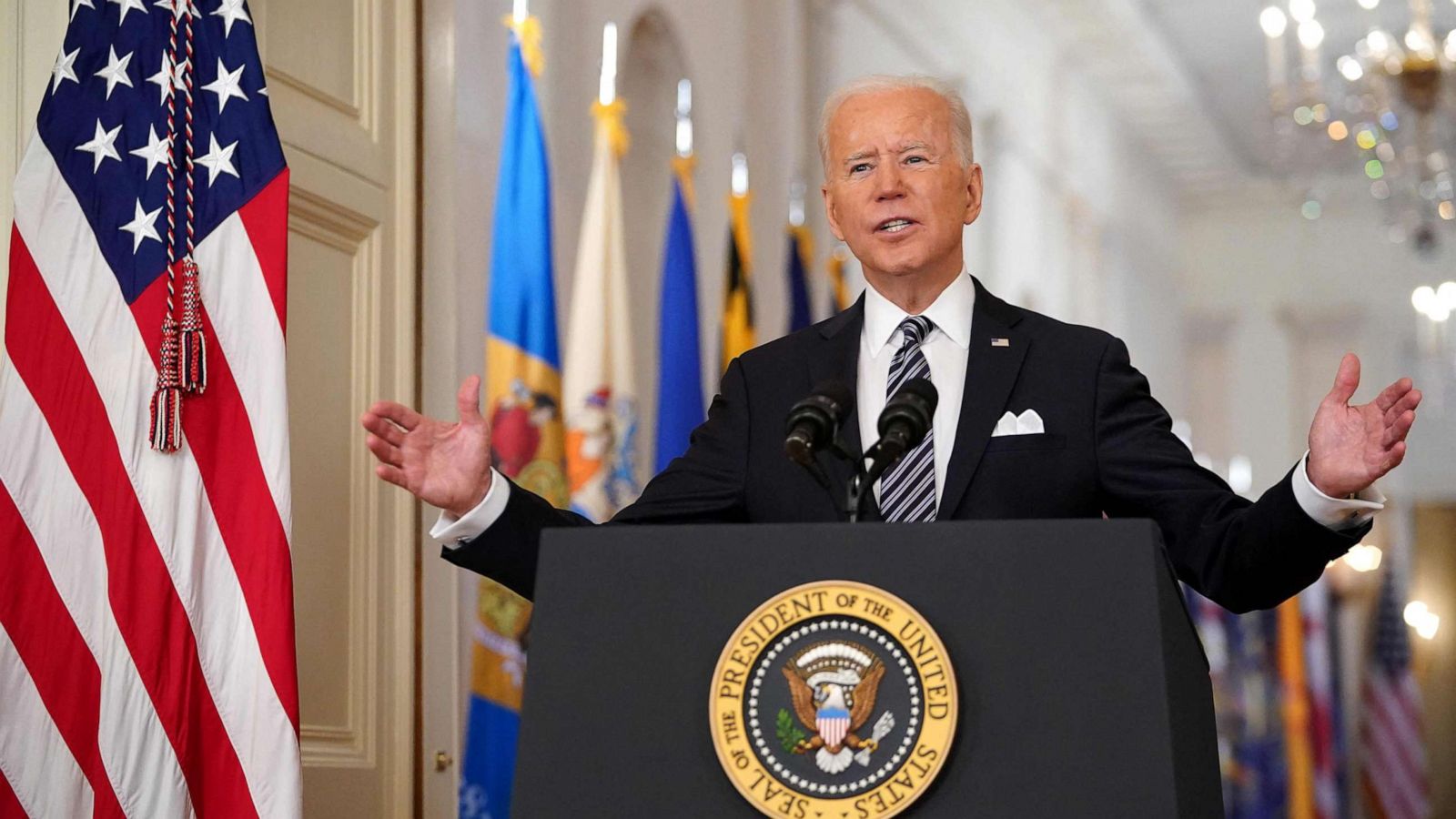
David Axelrod, a New York Times opinion writer, weighs in on President Biden’s first State of the Union address, scheduled for March 1. The article, “Mr. President, It’s Time for a Little Humility,” criticizes the president’s previous news conference in which he “energetically sold a litany of achievements” without acknowledging “grinding concerns that have soured the mood of the country.”
In addition to humility, which is defined at recognizing one’s own and others’ limitations, Alexrod is encouraging compassion—caring for yourself and others. He makes good arguments for being positive, while avoiding a “doom and gloom” speech like one of President Carter’s.
Getting the balance right will be difficult. The president needs to remind people of his successes to inspire reelection, while being honest about COVID deaths, the decline of mental health, and economic challenges. As Alexrod says, “Now, he needs to find that voice by telling the story of the ordeal so many Americans have shared, honoring their resilience and painting a credible, realistic picture of how we can all reclaim control of our lives.”
We’ll see how President Biden does. Multiple speech writers will wordsmith his address. But as business communicators know, how the speech is received depends on the president’s delivery as well as his words. I’m curious how much of the president’s genuine self we’ll see—his authenticity.
Spotify CEO's New Statement

Following new allegations against Joe Rogan, Spotify CEO Daniel Ek apologized to staff, yet reinforced his commitment to the podcast host. A video compilation of Rogan using a racial slur caused new criticism and calls for Spotify to take action. Rogan apologized, explaining that some recordings were from many years ago and were taken out of context.
Ek’s statement is addressed to Spotify employees, but of course, the secondary audience is intended to be the public. The message includes Rogan’s decision, apparently in consultation with the Spotify team, to remove 113 episodes. Although Ek writes that the choice was Rogan’s, we don’t know how much pressure he received.
Ek’s note is a good example of a persuasive communication that tries to balance the needs of many stakeholders. He demonstrates compassion to employees, vulnerabiiity in how the situation affects the company, and integrity in his $100 million commitment to artists and in holding firm to what he sees as a core value of the platform. We could see more personal vulnerabiity and authenticity. Unfortunately, leader will never satisfy all parties in this type of situation.
Spotify Team,
There are no words I can say to adequately convey how deeply sorry I am for the way The Joe Rogan Experience controversy continues to impact each of you. Not only are some of Joe Rogan’s comments incredibly hurtful – I want to make clear that they do not represent the values of this company. I know this situation leaves many of you feeling drained, frustrated and unheard.
I think it’s important you’re aware that we’ve had conversations with Joe and his team about some of the content in his show, including his history of using some racially insensitive language. Following these discussions and his own reflections, he chose to remove a number of episodes from Spotify. He also issued his own apology over the weekend.
While I strongly condemn what Joe has said and I agree with his decision to remove past episodes from our platform, I realize some will want more. And I want to make one point very clear – I do not believe that silencing Joe is the answer. We should have clear lines around content and take action when they are crossed, but canceling voices is a slippery slope. Looking at the issue more broadly, it’s critical thinking and open debate that powers real and necessary progress.
Another criticism that I continue to hear from many of you is that it’s not just about The Joe Rogan Experience on Spotify; it comes down to our direct relationship with him. In last week’s Town Hall, I outlined to you that we are not the publisher of JRE. But perception due to our exclusive license implies otherwise. So I’ve been wrestling with how this perception squares with our values.
If we believe in having an open platform as a core value of the company, then we must also believe in elevating all types of creators, including those from underrepresented communities and a diversity of backgrounds. We’ve been doing a great deal of work in this area already but I think we can do even more. So I am committing to an incremental investment of $100 million for the licensing, development, and marketing of music (artists and songwriters) and audio content from historically marginalized groups. This will dramatically increase our efforts in these areas. While some might want us to pursue a different path, I believe that more speech on more issues can be highly effective in improving the status quo and enhancing the conversation altogether.
I deeply regret that you are carrying so much of this burden. I also want to be transparent in setting the expectation that in order to achieve our goal of becoming the global audio platform, these kinds of disputes will be inevitable. For me, I come back to centering on our mission of unlocking the potential of human creativity and enabling more than a billion people to enjoy the work of what we think will be more than 50 million creators. That mission makes these clashes worth the effort.
I’ve told you several times over the last week, but I think it’s critical we listen carefully to one another and consider how we can and should do better. I’ve spent this time having lots of conversations with people inside and outside of Spotify – some have been supportive while others have been incredibly hard, but all of them have made me think.
One of the things I am thinking about is what additional steps we can take to further balance creator expression with user safety. I’ve asked our teams to expand the number of outside experts we consult with on these efforts and look forward to sharing more details.
Your passion for this company and our mission has made a difference in the lives of so many listeners and creators around the world. I hope you won’t lose sight of that. It’s that ability to focus and improve Spotify even on some of our toughest days that has helped us build the platform we have. We have a clear opportunity to learn and grow together from this challenge and I am ready to meet it head on.
I know it is difficult to have these conversations play out so publicly, and I continue to encourage you to reach out to your leaders, your HR partners or me directly if you need support or resources for yourself or your team.
Daniel
Arguments in the Joe Rogan, Spotify Situation
A few musicians and podcast creators are leaving Spotify over controversy about “The Joe Rogan Experience,” a popular show that has included misinformation about COVID-19 vaccinations. Comparing messages from different points of view is an interesting look at persuasive arguments and raises issues of character. Here are a few to explore:

Spotify’s stance is explained in this statement and may be summarized as follows from the chief executive and co-founder: “I think the important part here is that we don’t change our policies based on one creator nor do we change it based on any media cycle, or calls from anyone else.” Spotify also created a COVID information hub.
Neil Young removed his music, which had hundreds of millions of views, and explained his rationale in a letter (since removed from his website): “I am doing this because Spotify is spreading fake information about vaccines—potentially causing death to those who believe the disinformation being spread by them.”
Crosby, Stills, and Nash followed suit and posted their reason on Twitter: “We support Neil and agree with him that there is dangerous disinformation being aired on Spotify’s Joe Rogan podcast. While we always value alternate points of view, knowingly spreading disinformation during this global pandemic has deadly consequences. Until real action is taken to show that a concern for humanity must be balanced with commerce, we don’t want our music—or the music we made together—to be on the same platform.”
Roxane Gay explained her decision to remove “The Roxane Gay Agenda” in a New York Times opinion letter. In closing, she wrote, “I am not trying to impede anyone’s freedom to speak. Joe Rogan and others like him can continue to proudly encourage misinformation and bigotry to vast audiences. They will be well rewarded for their efforts. The platforms sharing these rewards can continue to look the other way. But today at least, I won’t.”
Bréne Brown “paused” her two podcasts and wrote that she is waiting for more information: “I’ve enjoyed the creative collaboration with Spotify, and I appreciate how the leadership has shown up in our meetings over the past week. Now that Spotify has published its misinformation policy, and the policy itself appears to address the majority of my concerns, I’m in the process of learning how the policy will be applied. I’m hopeful that the podcasts will be back next week.” As you might expect, Brown demonstrates vulnerability, including negative, personal comments she has received about the issue.
Joe Rogan apologized in a 10-minute Instagram video, promising to “balance out viewpoints with other people’s perspectives.”
UPDATE: A video compilation of Rogan using a racial slur has emerged, and he apologized—again.

Apology for Meatloaf Recipe

The folks at Weber Grill didn’t realize that singer Meat Loaf died on the day they published a meatloaf recipe. Had the company used the rock star’s death as a way to promote its products, that would have been in poor taste, but the email with a BBQ recipe was an unfortunate coincidence.
After some predicable backlash, the company quickly apologized for the mistake. Fortunately, just as the initial email made the rounds, so did the company’s apology.
The apology is simple and works well. The company didn’t need to apologize for insensitivity because the mistake was unintentional. In these situations, customers typically are more forgiving, and in this case, demonstrating compassion and humility was enough.

British PM Responds to Criticism
During the height of 2020 COVID-19 lockdowns in England, Prime Minister Boris Johnson hosted a party. An email (below) from his private secretary invited more than 100 staff members to "bring your own booze!" to the lawn party held at Johnson’s residence. Between 30 and 40 people gathered, despite restrictions until a week and a half later, when only six people were allowed to gather. This wasn’t the only party: another was held in December during lockdowns.
A video of the House of Commons shows political leaders criticizing Johnson; some are calling for his resignation. Johnson says he considered the party a work event. The culture of this setting is so different from U.S. government meetings, where it would be inappropriate to respond to speeches.
Here is Johnson’s response to the criticism. He uses several persuasive tactics: apologizing (with a British “s”), empathizing, and taking responsibility. He tries to demonstrate several character dimensions: compassion, humility, and accountability, particularly. We’ll see what happens next.
I want to apologise. I know that millions of people across this country have made extraordinary sacrifices over the last 18 months.
I know the anguish they have been through—unable to mourn their relatives, unable to live their lives as they want or to do the things they love.
I know the rage they feel with me and with the government I lead when they think in Downing Street itself the rules are not being properly followed by the people who make the rules.
And though I cannot anticipate the conclusions of the current inquiry, I have learned enough to know there were things we simply did not get right and I must take responsibility.
No 10 is a big department with a garden as an extension of the office which has been in constant use because of the role of fresh air in stopping the virus.
When I went into that garden just after six on 20 May 2020, to thank groups of staff before going back into my office 25 minutes later to continue working, I believed implicitly that this was a work event.
With hindsight I should have sent everyone back inside. I should have found some other way to thank them.
I should have recognised that even if it could be said technically to fall within the guidance, there are millions and millions of people who simply would not see it that way, people who have suffered terribly, people who were forbidden from meeting loved ones at all inside or outside, and to them and to this house I offer my heartfelt apologies.
All I ask is that Sue Gray be allowed to complete her inquiry into that day and several others so that the full facts can be established.


A Good Apology
Sorry Watch assessors gave rave reviews to an apology from DisCon III, a science fiction convention. Sorry Watch identifies the following criteria for a good apology:

Use the word “sorry” or “apologize.”
Name the offense. (Not “what happened.”)
Take responsibility.
Show you understand the impact.
How will you ensure this doesn’t recur?
Make amends.
These suggestions align with academic research on apologies described in Chapter 7 of Business Communication and Character. (For example, see Roy J. Lewicki, Beth Polin, and Robert B. Lount Jr., "An Exploration of the Structure of Effective Apologies," Negotiation and Conflict Management Research 9 (2016): pp. 177–196).
DisCon accepted sponsorship from Raytheon, a defense contractor, and not everyone agreed with the choice. In addition to conference organizers, award recipients, who were unaware of the sponsorship, suffered harsh criticism.
The conference chair stepped up, describing what happened, acknowledging the impact, taking responsibility, and identifying future actions. Other than apologizing, amends or reparations are difficult to imagine in this situation. Mary Robinette Kowal did what she could and demonstrated several character dimensions, for example, accountability, humility, vulnerability, compassion, and courage.
I am Mary Robinette Kowal, and I was the chair for DisCon III. I take full responsibility for accepting Raytheon Intelligence and Space as a sponsor, and I apologize for doing so.
The decision tree that led us to this point is filled with branches that sound like excuses for my own culpability. At the root of it is simply that in accepting funding from Raytheon Intelligence and Space and partnering with them for the members’ red carpet event, I was wrong.
That choice has caused harm and damage to people: the finalists, who were unaware; the people in our communities; the members and staff of Worldcon, who trusted me to make good choices.
I am sorry that I let you all down.
DisCon III is making an anonymous contribution to an organization dedicated to peace, equal to the amount we received from Raytheon. I am also personally contributing to the same organization.
The delay in responding added to the distress that we caused. For this, I ask your forgiveness. We needed to have conversations that were slowed by post-convention travel.
For the past several days, we have read your comments in email and on social media. Thank you for sharing them with us and trusting that you would be heard and taken seriously. Your honesty and sincerity are what make our community a better place.
Future conrunners can avoid our mistakes by:
Developing a sponsorship policy for your organization that reflects the values and concerns of our community.
Creating a robust plan for doing due diligence on potential sponsors.
Creating a mission and value statement against which to measure actions.
We did none of those. Our Code of Conduct says that DisCon III aims to build an inclusive community for all fans. This sponsorship did not achieve that goal.
I cannot erase the harm that my actions caused. This happened on my watch. It is my fault, and I am deeply sorry for the pain I caused.
Signed,
Mary Robinette Kowal

Persuading People to Get Vaccinated
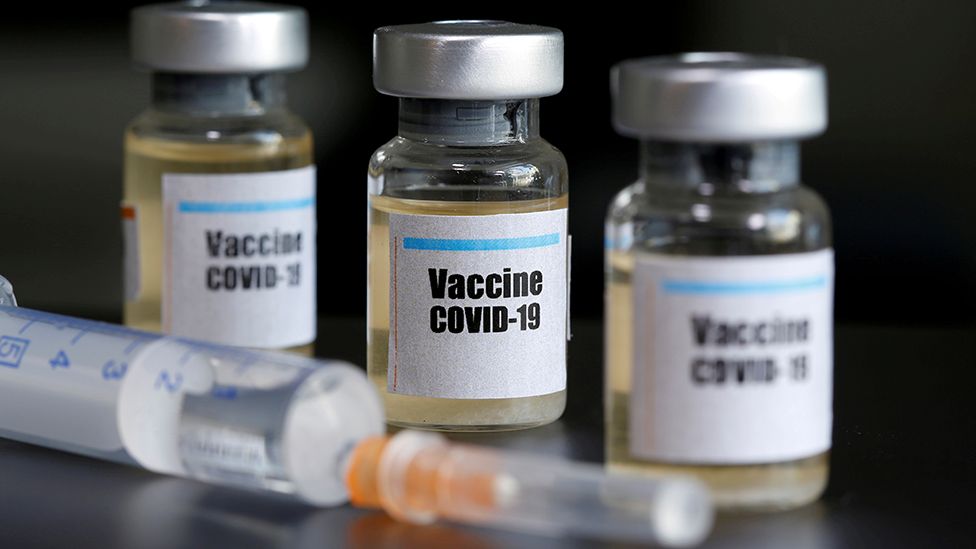
Physicians at Harvard Medical College weigh in on what does not—and what might—encourage people to get a coronavirus vaccine. In a New York Times opinion letter, they write, “providing more, frightening information intended to change their beliefs is ineffective for many or may even cause further entrenchment against vaccination.” In other words, data, or a logical argument, doesn’t work.
They consider a recent study about the Human Papillomavirus Vaccination (HPV). Surprisingly, women who had cervical cancer were no more likely to get their children vaccinated, and women who had a cancer “scare” were only slightly more likely than those who didn’t have cancer to get their children vaccinated.
From this study, the authors conclude that knowing someone who had COVID-19 or hearing stories about people who had the disease won’t convince people to get vaccinated. Although the doctors refer to this as “more information,” I would consider this an emotional appeal, depending on how “stories” are described.
Regardless, the authors suggest relying on methods that seem to work: negative incentives. Offering lottery tickets and other types of payments hasn’t influenced large numbers of people. Only threats—for example, if you don’t get vaccinated, you can’t come to work (a type of incentive) may be the best approach for now.
In his book Think Again, Adam Grant has other ideas, but they require more time and personal relationships—asking questions and giving people a choice.