

Talking About Climate Change: Too Soon?
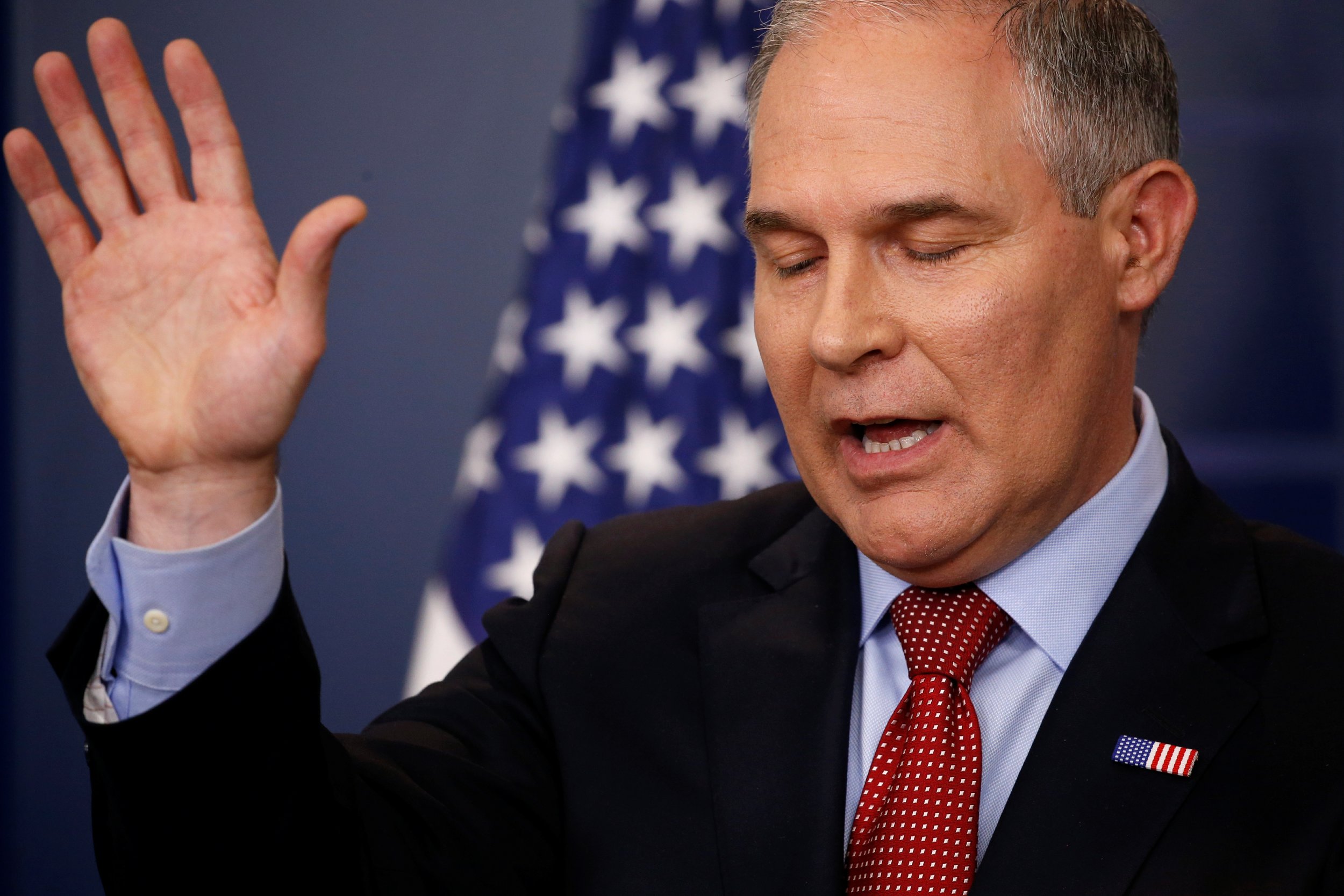 EPA chief Scott Priutt says it's "insensitive" to talk about climate change as people are wrestling with hurricanes. The response follows a request from Miami Mayor Tomás Regalado the Friday before Hurricane Irma hit Florida:
"This is the time to talk about climate change. This is the time that the president and the EPA and whoever makes decisions needs to talk about climate change," said Regalado, who flew back to Miami from Argentina Friday morning to be in the city during the storm. "If this isn't climate change, I don't know what is. This is a truly, truly poster child for what is to come."
Pruitt said,
"To have any kind of focus on the cause and effect of the storm versus helping people, or actually facing the effect of the storm, is misplaced," and "To use time and effort to address it at this point is very, very insensitive to this people in Florida."
Pruitt has also said that he doesn't believe that carbon dioxide emissions is a major contributor to climate change. Scientists report changing "climate change" in their documentation to other words.
In a Los Angeles Times opinion article, "Harvey and Irma say this is the right time to discuss global warming," the reporter calls Pruitt's response "patently absurd." He compares the hurricanes to shootings, when it is the right time to talk about gun control.
Discussion:
- What's your view? Should we discuss climate change as the hurricanes are happening? What are the arguments on both sides?
- How, if at all, might your opinion change if you or your family were victims of the hurricane?
- For leadership character, this could be an issue of accountability and compassion. How do you see these dimensions playing a role in the debate?

How Not to Apologize
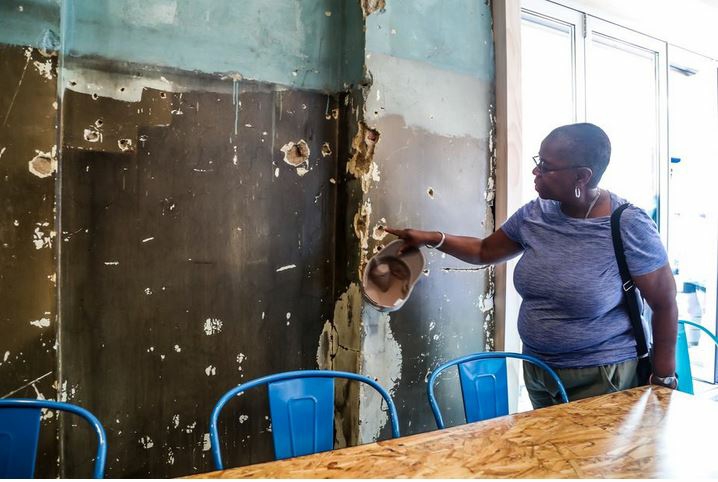 The owner of a bar in Crown Heights, Brooklyn, has faced her critics but didn't handle the apology well. Former corporate tax attorney Becca Brennan wrote a press release encouraging people to visit her new bar and photograph the wall of bullet holes.
It was a bad joke: the holes weren't from bullets. Brennan played on previous violence in a gentrifying neighborhood. The NY Eater summarizes the issue:
Nostrand Avenue between Eastern Parkway and Atlantic is quickly gentrifying, and increasingly, bars and restaurants targeting young and primarily white new residents have opened. Summerhill may be the first business to capitalize on historic violence and poverty in Crown Heights as a point of the decor - making it an easy lightning rod for existing tensions.
Neighbors took offense, and some considered the promotion racist. Brennan issued an apology:
"I truly never meant it in that way, but I recognize that it was insensitive. I was excited to keep the wall as a shout out to the different businesses that occupied the space before us, but my intention was misinterpreted, and I'm sorry for that."
A month later, a town hall meeting was supposed to ease tensions but didn't. In response to criticism, Brennan said, "I'm sorry I have a sense of humor," and "I'm very sorry you were offended." These are classic mistakes in apology.
From her perspective, Brennan can't say anything right. She told reporters, "I mean, you see me try to talk, and nothing I say will ever be good enough." At the same time, she refuses to cover the damaged wall.
Discussion:
- What makes a good apology, and how did Brennan's fall short?
- What would you suggest for Brennan to demonstrate vulnerability?
- Should she cover the damaged wall or stick to her plan, as she says, to "keep the integrity of an 100-year-old building"?
- At this point, how, if at all, can she improve relations with neighbors?

Air Canada CEO Gets Defensive
 No one wants to face a reporter's tough questions, but it's best to handle them gracefully. Air Canada's CEO and president Calin Rovinescu got angry during an interview with a Globe and Mail reporter, and it didn't end well.
Rovinescu was asked about bumping a 10-year-old boy when a flight was overbooked, and he responded,
No. I'm not getting into specific customer dynamics with you, Trevor. And that's not what I expected this interview to be about, and I'm happy to end it here if that's-I'm not getting into discussions with respect to specific customer experiences.
The interviewer then asked Rovinescu about weather planning because of climate change, and he was a bit sarcastic, saying they can't do anything to control the weather. Things seem to get worse when the interviewer pushed him about an incident in July, when a plane almost collided with others on the taxiway:
Can you talk to me about pilot error? Just in terms of-
Trevor, I'm not sure I'm loving the direction of your interview here. I thought we were talking about a more generic dynamic around what the airline has achieved.
Instead, Rovinescu could have used the technique of "bridging," or transitioning from the interviewer's question to something more positive about the airline's safety record or plans for the future. He sounded defensive throughout, and the interviewer took advantage by asking tougher questions.
Rovinescu wanted to avoided seeming vulnerable-risking emotional exposure-which just made him more vulnerable and open to harm. A PR Daily article summarizes the issue well:
[Rovinescu] reacted to Cole's questions instead of answering them-and by doing so, unnecessarily increased the negative tone of the article.
Discussion:
- Read the reporter's questions. How could Rovinescu have responded to each instead?
- Did the reporter push too much? Were his questions unfair?

Martin Shkreli's Failed Communications
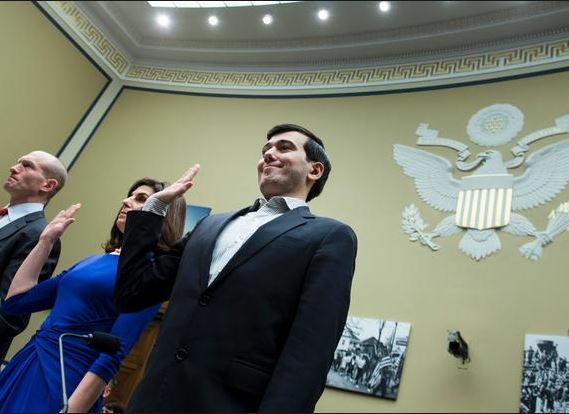 Former pharmaceutical executive Martin Shkreli damaged his own case by failing basic communication principles. As a juror said, he is "his own worst enemy" and "All he had to do was to tell everyone, ‘I'm sorry, I lost the money, all I can say is I'm sorry,' and that would be it."
In other words, just apologize. The jury found him guilty of fraud because he lied to hedge fund investors.
Throughout his career in the media, Shkreli came across as arrogant and indifferent to his impact on others. His company hiked the price of Daraprim, a potentially life-saving drug, from $13.50 to $750 per pill. A Daily Beast article called him "reprehensible" and worse.
In 2014, he tweeted about his board of directors:
Rather upset at my inane BOD who was overly focused on irrelevant innuendo but also now can pursue a NewCo without them. So net-net excited.
In January of this year, Shkreli was banned from Twitter for harassing a journalist. In 2016, he testified before Congress, and we see why people consider him offensive. He "takes the fifth," which is his right, but his behavior shows his lack of compassion. MoneyWatch posted "The many smirks of Martin Shkreli" during the hearing.
Discussion:
- What is the value of an apology, and how could saying "I'm sorry" have helped Shkreli?
- What non-verbal behavior does Shkreli demonstrate? For example, watch 8:00 - 9:00 of the Congressional hearing. How do you interpret his non-verbals?

CEOs Leave President Trump's Business Advisory Councils
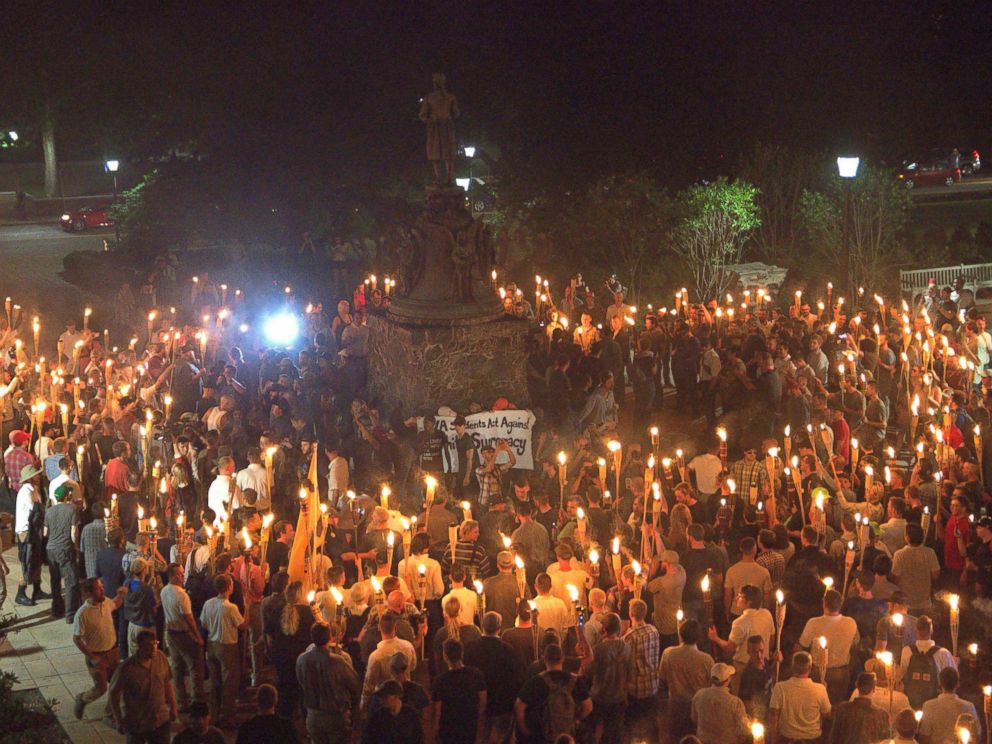 Several CEOs have left or were planning to leave President Trump's business advisory councils after his response to the Charlottesville, VA, incident. President Trump has been stalwart in blaming "both sides" of the protests in Charlottesville, which escalated in violence. For some CEOs, the response wasn't strong enough in condemning white supremacists. In a news conference, President Trump said there was violence among the liberal contingent as well as those wanting to, for example, defend confederate statues. He drew an analogy between George Washington and Thomas Jefferson, who owned slaves, with Robert E. Lee, who led the confederate army during the U.S. civil war.
Merck chief executive Ken Frazier was the first to resign from the president's manufacturing council. Others filed suit, and still others planned to resign, including Indra Nooyi of Pepsi, Jamie Dimon of JP Morgan, Alex Gorsky of J&J, and Jeff Immelt of GE.
Doug McMillon, Walmart's chief executive, has been vocal and has faced criticism from Walmart customers. In a memo to employees, McMillion explained his position:
As we watched the events and the response from President Trump over the weekend, we too felt that he missed a critical opportunity to help bring our country together by unequivocally rejecting the appalling actions of white supremacists. His remarks today were a step in the right direction and we need that clarity and consistency in the future.
Our country is facing some very difficult issues that require our elected officials, business leaders and community-based organizations to work together. Representing a company with the largest and one of the most diverse groups of associates in the U.S., and an even more diverse customer base of tens of millions of customers, we believe we should stay engaged to try to influence decisions in a positive way and help bring people together. I will continue to strongly advocate on behalf of our associates and customers, and urge our elected officials to do their part to promote a more just, tolerant and diverse society.
Thank you for representing Walmart and our values today -- and every day.
Before another group, inspired by Nooyi of Pepsi, could resign, President Trump decided to disband all of his business advisory councils. The decision is a blow to the president, who prided himself on his business relationships when taking office.
Discussion:
- Did these business leaders do the right thing? Why or why not?
- What did it take for Merck's CEO to take the lead, and for Pepsi's CEO to inspire the next wave? What was at risk for both of them and for other CEOs?
- Besides addressing the Charlottesville situation differently, what could President Trump have done differently to maintain his relationships with these business leaders?

Should We Curse at Work?
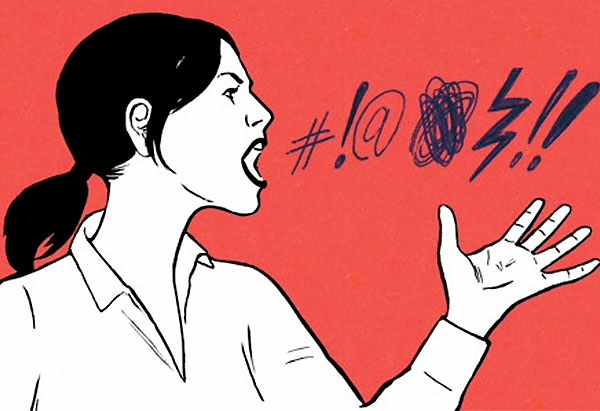 A book, What the F: What Swearing Reveals About Our Language, Our Brains, and Ourselves, explains why cursing is good for us. Author Benjamin K. Bergen also argues that cursing is a social construct: certain words are "bad" only because we say they are.
Cursing has some benefits. One study showed that swearing in response to an injury helps us tolerate pain. Another showed that swearing improved performance in bicycle and hand-grip exercises. Bergen argues that cursing allows people to show their emotional state instead of hiding it. He also says cursing brings people of similar backgrounds or cultures together.
But what about swearing at work? This seems to vary based on industry, company, and work group. Some cursing, such as ethnic slurs, are offensive and would rarely be tolerated. However, many teams will curse among themselves, depending on the relationships and circumstances.
Discussion:
- Do you curse? Why or why not? Under what circumstances would you curse or avoid it?
- How do you feel about cursing in professional work environments? What are the advantages and disadvantages?

Cargill Muslim Employees Get EEOC Support
 The Equal Employment Opportunity Commission (EEOC) is siding with Cargill employees over their right to pray at work. Employees filed a claim against the company because their opportunities to pray during breaks had been curtailed. The EEOC's support means that Cargill management will have to reach an agreement with employees on prayer time.
The issue began in Colorado in 2015 when 150 employees walked off the job in protest. Supervisors told them they would no longer be able to prayer during breaks. The employees were terminated for attendance violations.
Employees report being closely monitored so they didn't pray, for example, in the bathroom. Cargill denies such claims.
The hope is for Cargill and the employees to reach a confidential agreement. If they fail, the employees can pursue a discrimination lawsuit.
Discussion:
- What protects U.S. employees' right to pray at work?
- How would you describe the company's position?
- Assess statements by the company in the Star Tribune article. Based on these quotes, how well is the company responding to the controversy?

Speculation About McCain's Body Language
 Desperate to know whether Senator John McCain would support President Trump's most recent healthcare plan, people took to Twitter to report signs. A Mashable writer jokes, "Journalists and regular viewers became McCain body language experts, watching the Republican Senator's every move, smile, blink, and nose scratch."
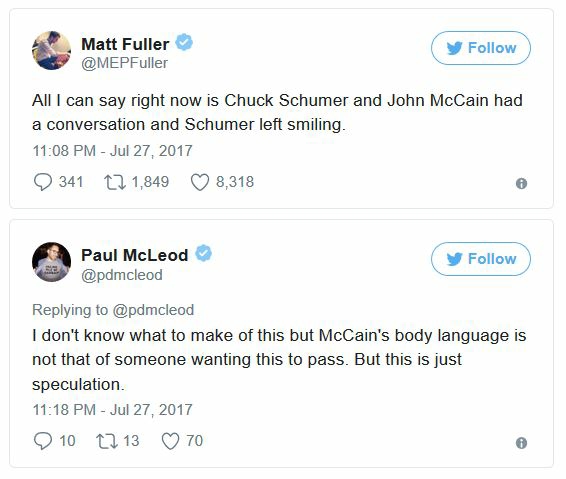 A Washington Post article cites evidence of a "no" vote: getting a hug from California Democrat Sen. Dianne Feinstein and observing two Republican senators apparently trying to persuade McCain to stick with their team.
He did vote "no," along with two other Republicans who also broke ranks to defeat the plan. It's hard to see from the photo, but the Post reports, "Take a look at the body language in the room. Democrats look positively giddy (several audibly gasp, while others clap)." The writer also identifies, "Meanwhile, Sen. Mitch McConnell looks on with his arms crossed, resigned to defeat, as the rest of the GOP leadership team stands silently. Sen. Bill Cassidy (R-La.) lets his head drop."
Discussion:
- The speculation from body language turned out to be correct, but did people read too much into it?
- Should Senator McCain have been more discreet to keep his position private before the vote, or doesn't it matter? Consider McCain's history, if you know his background.

Communication Gaps Found Between Doctors and Home Health Care Nurses
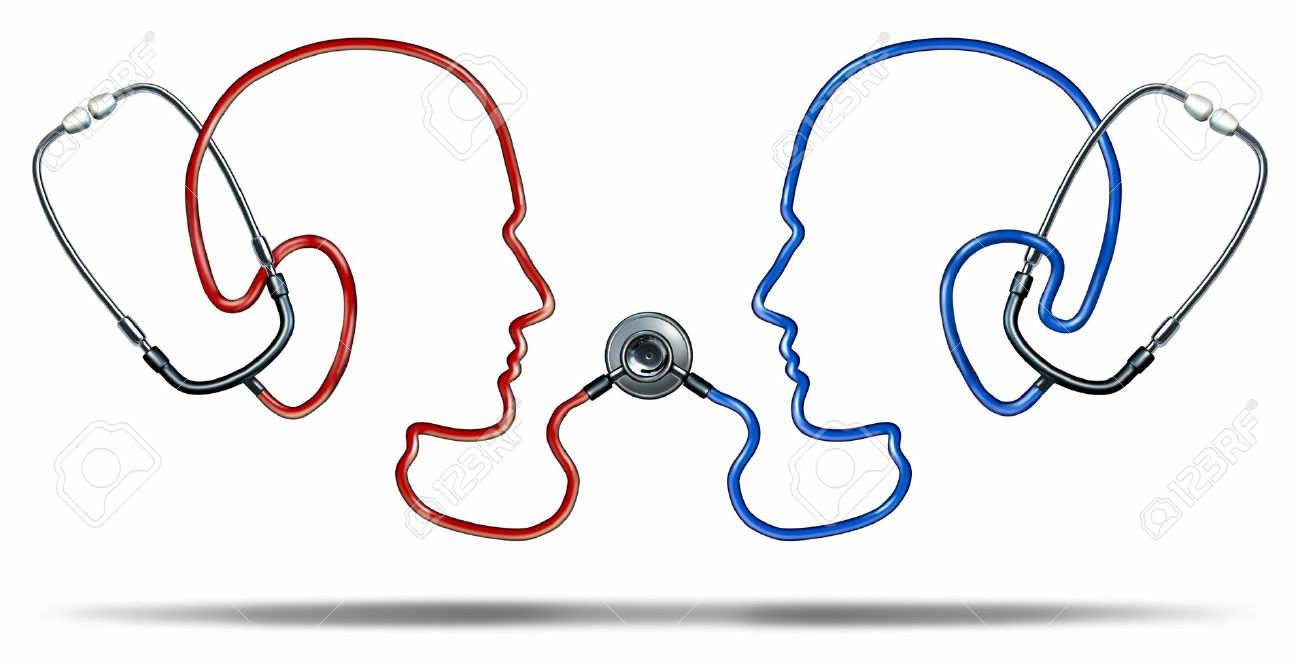 The findings aren't surprising for anyone who has cared for an elderly parent (as I have). Researchers at University of Colorado Anschutz Medical Campus identified major communication gaps when a patient is released from the hospital.
According to the study, published in Journal of General Internal Medicine, discrepancies in medication lists and a lack of accountability are key problems that cause issues for patients. Home health care agency workers also report difficulty in contacting physicians. Study authors identify the following solutions:
- Hospitals and primary care physicians could provide HHC agencies direct access to Electronic Medical Records and direct phone lines to doctors.
- Enact laws allowing nurse practitioners and physician's assistants to write HHC orders. A bill was under consideration to do this but was not acted upon by Congress.
- Clearly establishing accountability for hospital clinicians to manage HHC orders until a primary care physician can see a patient and help HHC nurses with questions.
- Create better communication methods with PCPs to ensure safer transitions
A page on the Family Caregiver Alliance website offers advice for patients when preparing for a medical appointment, meeting with a doctor, spending time in emergency rooms, and, as this study focuses on, "Transitions to Home or Facility: Communications at Discharge Time." The site offers good advice, such as keeping a medical notebook and contacting advocacy groups.
An article in the Journal of Clinical and Diagnostic Research recommends ways for doctors to improve their communication. The advice will sound very basic to students of business communication, for example, "patient listening, empathy, and paying attention."
Discussion:
- What are your positive and negative experiences when communicating with medical professionals? What improvements would you recommend?
- Communication gaps during transitions are common. What other examples can you identify (for example, transitioning from high school to college)?

Walmart Apologizes for Racist Description
 Walmart blamed a seller for a racist description of a hair weaving net. The blurb included the "N-word" as an adjective with "brown" for the product color.
Walmart removed the description and issued an apology, shown here.
 The seller, Jagazi in the United Kingdom, said someone was using its name to sell products on Walmart's website. Jagazi wrote a statement denying connection with the product but didn't mention the racial slur.
We woke up this morning to the news that someone has used our name, Jagazi, to list an item. Please beware that we are reporting this to as many people as we can and trying to get all the listings pulled down. The real Jagazi is a 100% black company for black people. People have often used our brand name to try and sell their products. Please be aware. Very sorry for all the distress this has caused. We are feeling the pain here as well. Most shocking!
An AOL article author criticizes Jagazi for "indicating some offense to the racial slur and much offense to someone selling fake Jagazi on Walmart's website." Do you agree or disagree?
Discussion:
- How does a mistake like this happen?
- How well did Walmart handle the apology? Should the company take more responsibility? Why or why not?
- Assess Jagazi's response. What, if anything, should Jagazi have done differently?
- The AOL article has a punctuation error. Can you find it?

Did Ann Coulter Go Too Far?
 Have we had enough of customer complaints about airlines? The social media tenor seems to be trending in that direction, at least in the case of Ann Coulter and Delta Airlines.
Author and media personality Ann Coulter paid $30 for a seat with more legroom but was "inadvertently" moved as the airline shuffled seats to accommodate other passengers. Coulter tweeted several attacks on the airline, including a couple about other passengers: the one at right and, in another tweet, "Immigrants take American jobs (& seats on @Delta)." 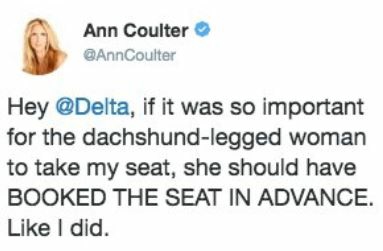
Delta promised to refund Coulter's $30 and pushed back on her insults. In tweets and in a statement, the company admitted confusion:
We are sorry that the customer did not receive the seat she reserved and paid for. More importantly, we are disappointed that the customer has chosen to publicly attack our employees and other customers by posting derogatory and slanderous comments and photos in social media. Her actions are unnecessary and unacceptable.
Each of our employees is charged with treating each other as well as our customers with dignity and respect. And we hold each other accountable when that does not happen.
Delta expects mutual civility throughout the entire travel experience.
We will refund Ms. Coulter's $30 for the preferred seat on the exit row that she purchased.
Brandwatch assessed sentiment on social media and found more negative responses to Coulter than to Delta.

Discussion:
- Do you find yourself sympathizing more with the airline or with Coulter? Why?
- How does the timing (moving her seat within 24 hours of the flight) affect your response, if at all?
- Where did Coulter perhaps cross a line? Read more tweets here.
- How well did Delta handle the situation? What, if anything, should the airline have done differently on social media or in the statement?
Customer Service Gone Wrong
 An article in Ad Age details a scripted, annoying customer interaction at Chase bank. The customer waits on line for a teller and is encouraged to use an ATM instead (with a longer line). The conversation seems relentless:
"I can stand with you by the ATM and walk you through it -- it's really easy," he said.
Oh God. He was obviously working off some sort of script.
"Right, yeah," I said, "I've used them before. I'd just prefer to deal with a teller today." Head back down, eyes on my iPhone.
"Can I ask why?" (Oh jeez.)
The killer line was this rationale for using the machine: "You know, if you use one of the ATMs, you reduce stress for him [the teller]." Although the representative claimed the bank is adding tellers, it didn't take long for the writer to find headlines about Chase laying off 5,000 employees.
Encouraging people to use technology may be good for business, but customer service people need to read social cues to know when to end a conversation-and they should get the facts straight.
Discussion:
- Read the article for more detail. What verbal and body language cues did the bank representative miss?
- What should the rep have said or done differently? What would have made the interaction sound less "scripted"?
- Did the situation warrant the writer's reaction? Should he have simply done as suggested and used the ATM?

Women and People of Color Under-Represented in Technology Ads
 A study published in Gender Issues analyzed video ads for technology products and services and found little diversity. The authors concluded that white men were most prevalent and women, people of color, older people, and children were missing or in lesser roles.
The researchers also found that, when women were represented, they were portrayed as emotional or passive-not in control. In contrast, according to the authors, "technology itself is portrayed in masculinist terms-powerful, fast, strong, active-thereby reinforcing this association."
The results are interesting and perhaps a warning to technology companies who say they want to increase diversity among their employees. If companies want to boost the appeal of computer science degrees, they may look at how they present their products and services.
Discussion:
- Do some research of your own. Watch a few technology product videos. Do you see what the authors found?
- Why do you think companies advertise their products and services in this way? Is it an oversight or intentional?
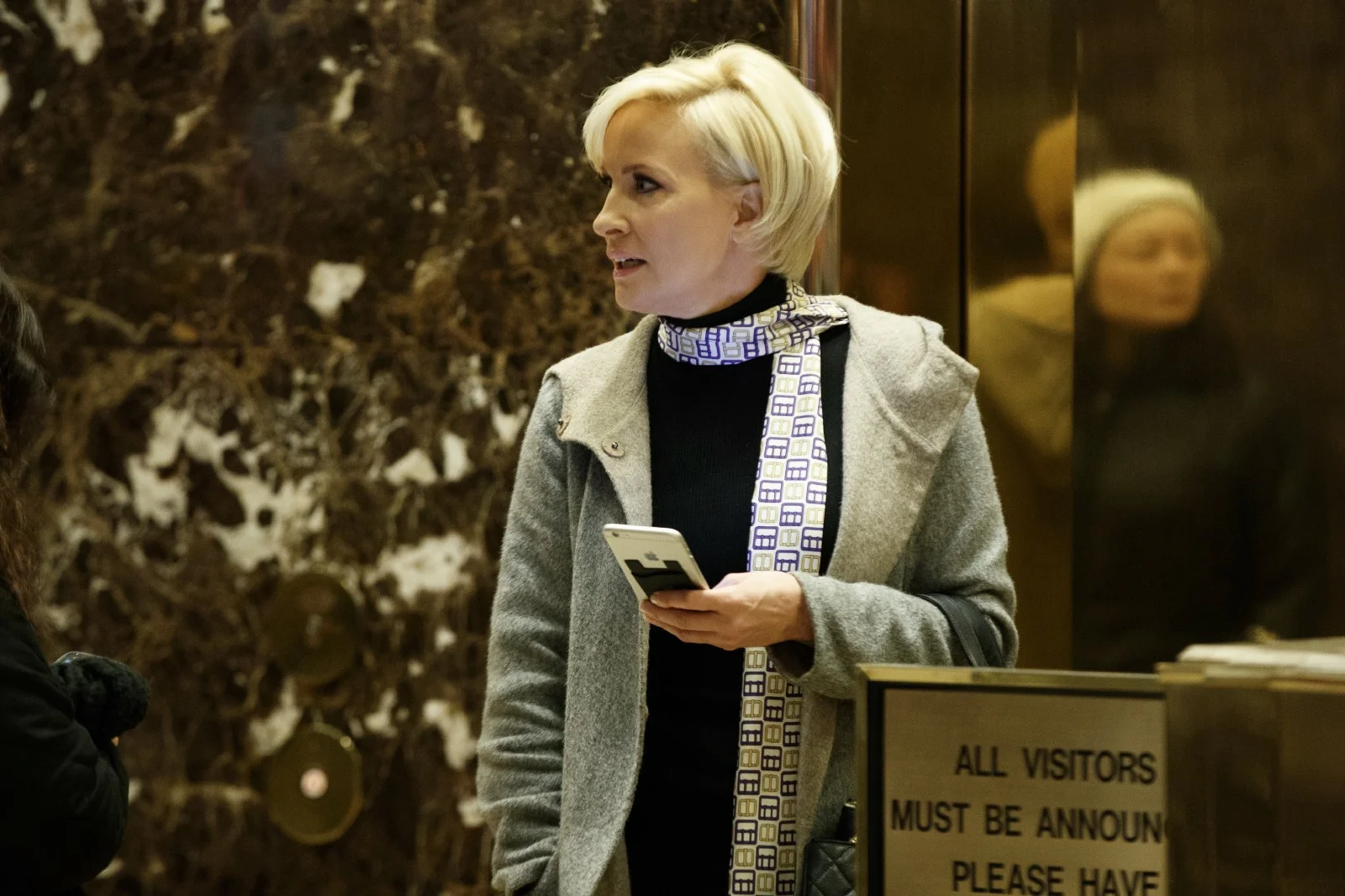
Mika Brzezinski Responds to President Trump's Tweet
 President Trump had contained some of his comments on Twitter since taking office-until now. He tweeted about Mika Brzezinski, co-host of Morning Joe, which continues the feud from last summer.
Brzezinski and Joe Scarborough (engaged to be married) aren't keeping quiet about the situation. In a long piece in Vanity Fair, Brzezinski tells more gory details about meetings and her neck surgery. They wrote an op-ed for The Washington Post, and 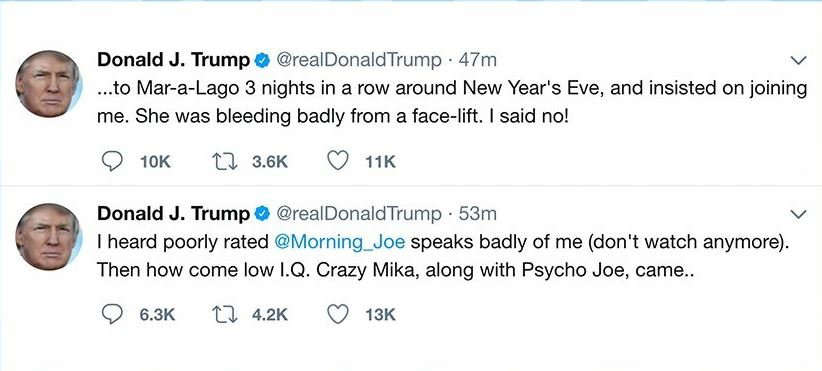
Business Insider describes the hosts refutation of Trump's claims.
The whole story sounds a bit high school: were they friends, and now they're not anymore?
Business Insider also reported Brzezinski's response about the tweet:
Brzezinski said she was "fine" after the attack, adding that her family "brought me up really tough."
"This is absolutely nothing for me personally," she said. "But I'm very concerned about what this once again reveals about the president of the United States. ... It does worry me about the country."
"We're okay," Scarborough said. "The country is not."
Discussion:
- The op-ed piece is titled, "Donald Trump is not well." Do you agree? Too harsh, just right, or something else?
- How do you assess Brzezinski's reaction? Should she and Scarborough let it go? What are their motivations?
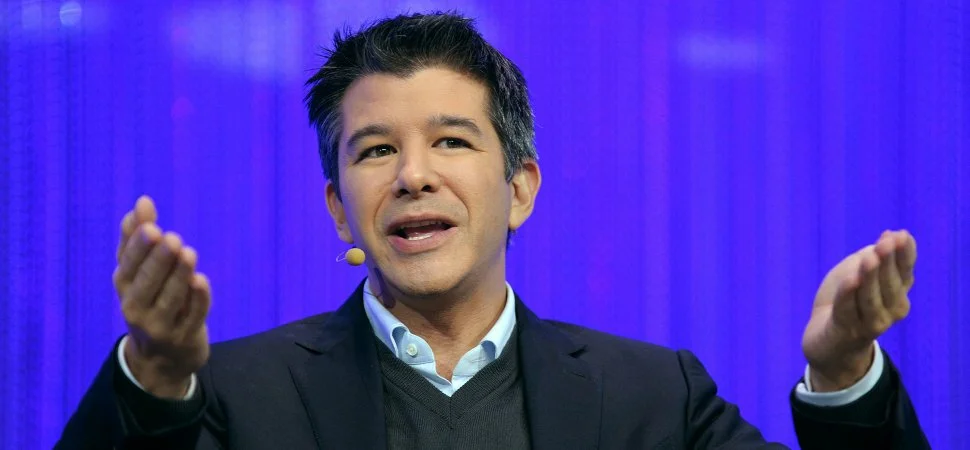
Uber Board Member Resigns and Kalanick Takes a Leave
 An Uber board member resigned after making a sexist comment not supported by research. At the same time, CEO Travis Kalanick will take a leave from the company.
David Bonderman, an investor from TPG, said of more women on the board, "Actually, what it shows is that it's much more likely to be more talking." His comment was made during an Uber staff meeting in response to Arianna Huffington, a female board member, saying that having one woman on the board usually leads to others. Bonderman's comment has no merit: research shows that men talk more than women in meetings.
The comment was untimely, in the midst of Uber, presumably, trying to change its culture following complaints of sexual harassment and lack of follow through. Employees complained about the comment, and Bonderman apologized and resigned: "I do not want my comments to create distraction as Uber works to build a culture of which we can be proud. I need to hold myself to the same standards that we're asking Uber to adopt. Therefore, I have decided to resign from Uber's board of directors."
The comment also comes soon after a report by Eric Holder and others with recommendations for improving the company's culture. Many of the recommendations are for basic management principles, such as conducting performance reviews and having HR keep records.
Also in the news is a "Miami Letter" Kalanick sent to employees in 2013 before a company outing. The email offers advice for having sex, drinking, and more. By any measure, it is not an appropriate email for a CEO to send to employees. (Read here -- NSFW.)
But one happy result is Travis Kalanick's taking a leave from the company. If they want to change the culture, his stepping aside for at least a while may help.
Discussion:
- Maybe Bonderman made the comment as a joke. What are your thoughts? Employees may be sensitive now because of the sexual harassment complaints and other issues.
- Read and assess the report. What principles of report writing from Chapter 10 are followed, and how can it be improved?
- What effect do you think Kalanick's stepping away will have? Is this the right decision for the company?
Gianforte Apologizes
Greg Gianforte, the Montana Republican candidate running for Congress, "body-slammed" a reporter. The link to audio is at right .
.
His apology letter has gotten high marks, and it does meet some of the criteria discussed in Chapter 7 for an effective apology. A professor emeritus of management and human resources at the Ohio State University's Fisher College of Business analyzed and annotated the letter for The Huffington Post:
Dear Mr. Jacobs:
I write to express my sincere apology for my conduct on the evening of May 24. My physical response to your legitimate question was unprofessional, unacceptable, and unlawful [acknowledgement of responsibility]. As both a candidate for office and a public official, I should be held to a high standard in my interactions with the press and the public [acknowledgement of responsibility]. My treatment of you did not meet that standard [expression of regret].
Notwithstanding anyone's statements to the contrary, you did not initiate any physical contact with me, and I had no right to assault you. I am sorry for what I did and the unwanted notoriety this has created for you [expression of regret]. I take full responsibility [acknowledgement of responsibility]
I understand the critical role that journalists and the media play in our society. Protections afforded to the press through the Constitution are fundamental to who we are as a nation and the way government is accountable to the people. I acknowledge that the media have an obligation to seek information. I also know that civility in our public discourse is central to a productive dialogue on issues. I had no right to respond the way I did to your legitimate question about healthcare policy [declaration of repentance]. You were doing your job.
In the hope that perhaps some good news can come of these events, I am making a $50,000 contribution to the Committee To Protect Journalists, an independent non-profit organization that promotes press freedom and that protects the rights of journalists worldwide [offer of repair].
I made a mistake and humbly ask for your forgiveness [request for forgiveness].
Sincerely,
Greg Gianforte
On Twitter, @SorryWatch also compliments the letter, but she questions the source. The letter was part of a settlement, so perhaps the words aren't Gianforte's own?
To me, the letter sounds a bit too perfect. Yes, it hits the right components but, for example, who says, "I....humbly ask for your forgiveness"? And some criteria for apologies discussed in the book are missing. It sounds like a lawyer wrote it.
Discussion:
- Quiz question: Which criteria discussed in the book are missing from this apology? These may give us a clue about how the letter falls short overall.
- What's your view of the letter? Is my assessment too harsh?
Ryan Getzlaf Calls Ref a Bad Name
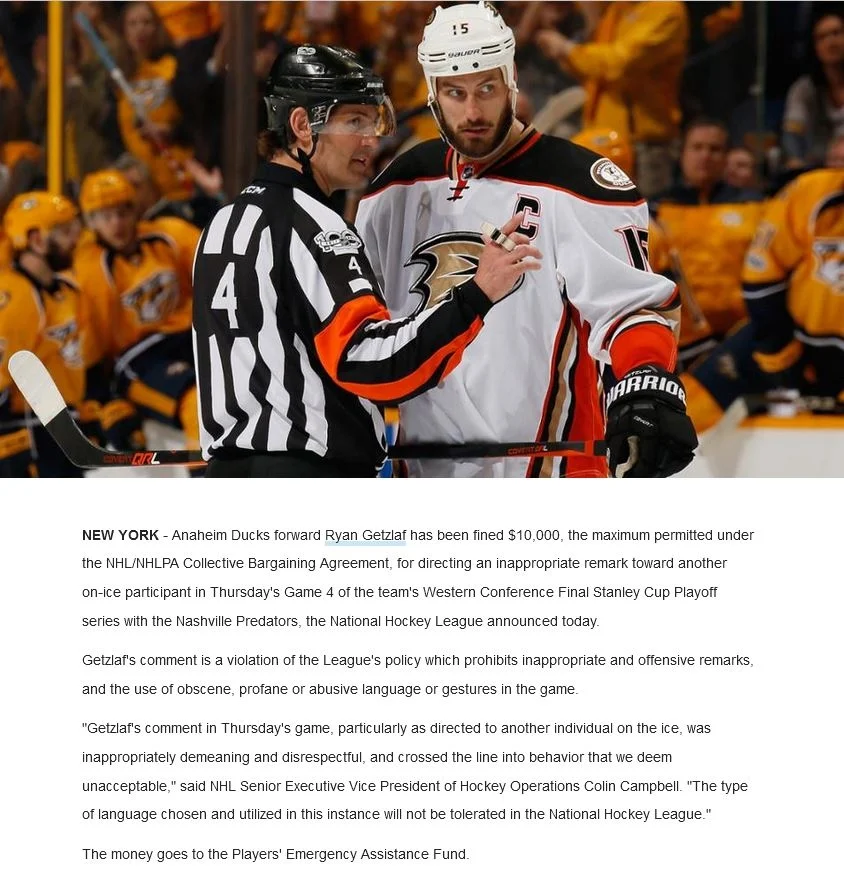
 NHL Anaheim Ducks captain Ryan Getzlaf will pay $10,000 for calling a referee a name too bad to print in BizCom in the News. People say it's homophobic, which technically it is, and it's just plain ugly. (Here's a detailed, NSFW analysis of the term, if you're so inclined.)
A statement on NHL's website, shown here, refers to " an inappropriate remark." The fine is the most allowed by the players' union.
In a statement called "luke warm," Getzlaf apologized, a little:
Read more at: http://nesn.com/2017/05/ryan-getzlaf-apologizes-sort-of-after-10k-fine-for-using-gay-slur/
A situation like that, where I'm on the bench by myself, frustration set in. There was obviously some words said, not necessarily directed at anyone in particular. It was just kind of a comment. I've got to be a little bit more responsible for the words I choose.
Definitely as a father, as somebody that takes a lot of pride in this game and the respect for it, it's tough to see somebody refer to it as (a gay slur). I didn't mean it in that manner in any way. For that to take that route was very disappointing for me. I do accept responsibility and I accept the fine.
Discussion:
- "There was obviously some words said." Help: What grammar problems do you see here?
- What make this a weak apology?
- Did the league take the right action? Some say Getzlaf deserved more of a punishment.
- What else should Getzlaf do or say?

Mall of America's Social Strategy
 PR Daily News reports on Mall of America's successful "newsjacking," or taking advantage of news stories to promote business. Being close to the Mineapolis-St. Paul International Airport gives the mall the chance to lure travelers to shop when their flight is delayed.
Last summer, the mall wrote a blog post, "Flight delayed? 11 things to do at MOA," offering better options than wandering aimlessly like Tom Hanks in "The Terminal." Like a lot of malls these days (what's left of them), Mall of America is part amusement park.
Through social listening, the mall is responsive, but they also promote timely events, such as the mall's 25th anniversary, and greet people who announced celebrations at the mall. We can see the potential for creepiness here, but management believes people appreciate this.
The mall has a bunch of people writing posts, and manager Timothy Pate lets them have their own voice: "Mall of America happens to have a lot of quirky stories, and we aren't afraid to share those with our readers. We find when you really let your quirks shine through, readership goes up."
Discussion:
- From Chapter 3 in the text or from your own research, how would you define social listening?
- I mentioned the concern about "creepiness." Where should social media managers draw the line? What are some examples of overstepping?
NYT Article About Uber CEO
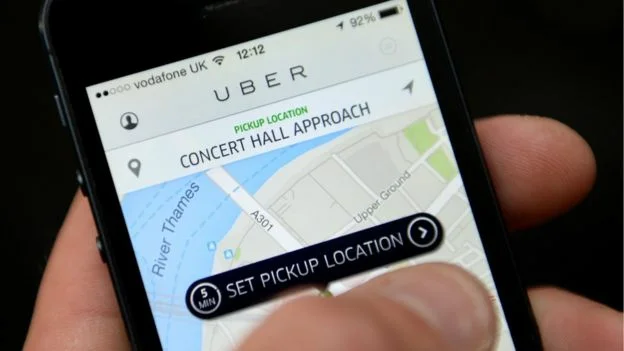
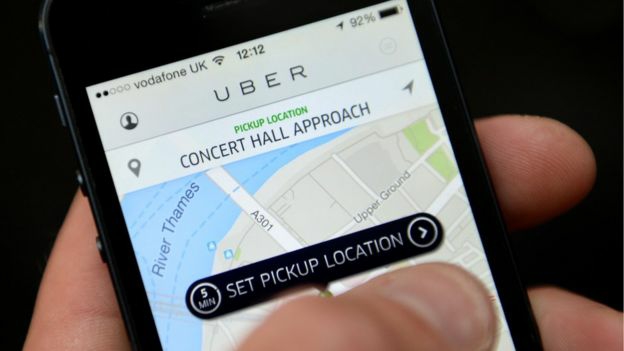 A long New York Times article chronicles Uber CEO Travis Kalanick's rise to power and what has happened since. He certainly has built a successful company, but his leadership character is not ideal.
We have seen many reports of ignored complaints and executive departures and have seen the video altercation between Kalanick and an Uber driver. The latest report is about Uber's violation of an Apple rule against "fingerprinting." Uber was tracking iPhone users even after they deleted the Uber app.
The NYT tells of a meeting between Kalanick and Apple CEO Tim Cook in 2015. In the article, "Uber's CEO Plays with Fire," we learned that Cook summoned Kalanick to his office. Surprisingly, Kalanick "was shaken by Mr. Cook's scolding, according to a person who saw him after the meeting."
He should have been: if Apple decided to remove Uber's app from iPhones, the company could have lost millions of users.
Discussion:
- Although Kalanick may have been "shaken" by the meeting, it doesn't seem to have affected his leadership tactics. Do you agree, or is this too harsh?
- Read the article. What else do you learn about Kalanick? How, if at all, does it change your impression of him as a leader?

Altercation on American
 Emotions are running high on airplanes. An altercation on an American flight-captured on video, of course-resulted in an employee's suspension.
Apparently, a flight attendant took a stroller forcefully from a woman, hitting her with it. The woman is seen crying, upset that the stroller also just missed her baby. The conflict arose because the woman wanted to keep the stroller with her in the back of the plane, and the attendant wouldn't allow it.
At some point, another passenger got involved and said to an attendant, "You do that to me and I'll knock you flat." An altercation ensues and the flight attendant can be heard saying back to the passenger, "Hit me! Come on, bring it on."
After the United incident when a man was dragged off the plane, American Airlines had to take decisive action. The airline suspended the employee, upgraded the woman and her family to first class on their next flight, and issued a statement:
"We are deeply sorry for the pain we have caused this passenger and her family and to any other customers affected by the incident."
The Association for Professional Flight Attendants (the union) spoke out against American Airlines for acting too quickly. Instead, the president blamed airline conditions, such as shrinking seats and overcrowding, for part of the issue.
Discussion:
- Have we all gone mad? Who are the actors in this play, and what responsibility does each hold? In other words, could this scene have been avoided?
- Assess the airline's response. To what extent do you think the United incident affected the response? Either way, did the company respond appropriately?