
Fallacies in Recent Politics
 I'm teaching a module on fallacies on Monday and will present a few related to politics-wish me luck:
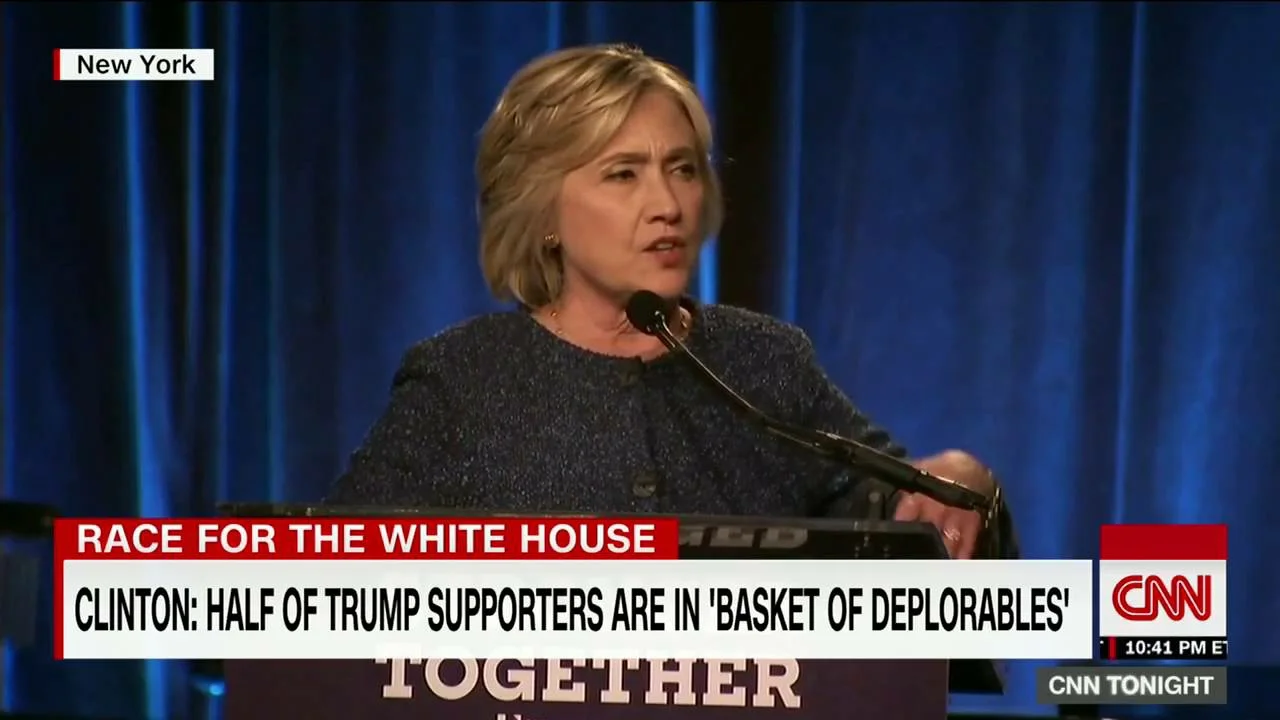
- Ad hominen: President Trump's tweets are an obvious example, but I'll use Hillary Clinton's "basket of deplorables" for this example. It's an attack without evidence.
If it's not too charged (and a bit complicated), I may talk about Senator Elizabeth Warren's reading of Coretta Scott King's 1986 letter about Jeff Sessions, the attorney general nominee. An LA Times opinion piece explains the ad hominen issue well:
"The original intent of the rule, if you will, was to preserve comity and focus the attention senators on substance rather than ad hominem arguments. But Warren was commenting on Sessions not as a colleague but as the nominee to a position in the executive branch; his character (as perceived by Mrs. King) was central to her argument."
- False analogy: This one will be a question to students. Nordstrom dropped Ivanka Trump's brand, and President Trump criticized the decision on Twitter (although The Wall Street Journal reports a 32% sales decline). This may have been an ethics violation itself, but the false analogy came in the reporting. Kellyanne Conway was charged with an ethics violation for, as a member of the White House staff, promoting Ivanka Trump's products on Fox & Friends:
"Go buy Ivanka's stuff, is what I was [saying] - I hate shopping and I'm going to go get some myself today."
"This is just...it's a wonderful line. I own some of it... I'm going to give a free commercial here. Go buy it today, everybody. You can find it online."
A Breitbart article agrees with the charges, but is this "wildly disproportionate"? The article discusses a SiriusXM interview and includes a few comparisons to democrats' promoting for-profit companies:
"Obama administration directly involved government in vastly larger business dealings, most dramatically by using the Internal Revenue Service to force Americans to buy products from preferred insurance companies under Obamacare."
"President Obama's pushing green energy technology and electric cars, such as the Chevy Volt."
"...Clintons' case...pushing the Clinton Foundation and using their government power to get people to donate to the Clinton Foundation as a form of quasi-bribery."

NFL Rejects GNC Ad
 GNC, the vitamin store company, is trying to improve its image, but the company won't get a spot in this year's Super Bowl. Although Fox News accepted the ad, the NFL pulled the plug.
According to AdAge, "Jeff Hennion, exec VP-chief marketing and e-commerce officer at GNC, said the NFL objected to its commercial because fewer than 3% of its products include two of the 162 substances banned by the league. According to Mr. Hennion, the NFL has approval rights over commercials in the big game." NFL also wanted GNC to change its logo, which has the name on a pill bottle. The company was working on that, but the commercial was still rejected.
Discussion:
- Why do you think the NFL rejected GNC's ad? Is it about the banned substances or something else? Related question: What's your view of the ad?
- I can't find a statement from the NFL. Should the company make a comment? What are the advantages and potential downsides?
- GNC makes an interesting argument with the 3% claim. Do you find it convincing? Consider principles from Chapter 9.

Kraft Heinz Gets Mixed Reviews for Holiday
 Kraft Heinz won't have a commercial in this year's Super Bowl, but the company will give employees Monday off. Joking that the day after, #SMunday, should be a national holiday, Heinz started a petition on change.org:
"We can all agree that going to work the Monday after the ‘Big Game' on Sunday is awful," the petition states. "So as far as we're concerned at Heinz, we as a nation should stop settling for it being the worst work day of the year. We don't settle for that awesome football Sunday to be just like every other day of the year."
They're certainly getting mainstream press, for example, in The Washington Post, but the article refers to the move as a "Super Bowl stunt."
The company recently laid off thousands of workers, and the day off isn't available to factory employees. Some social posts call the campaign "pandering" and one tweet reads, "I think we have bigger things to worry about."
Discussion:
- What's your view of the campaign: pandering, clever, inappropriate, or something else?
- What about the timing? News from the Trump Administration is heavy is week.
Dippin' Dots Responds to Spicer
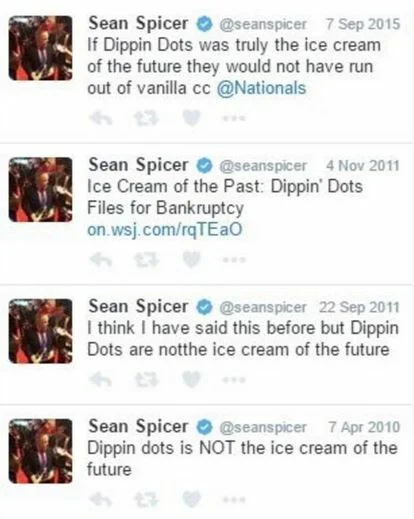
 White House Press Secretary Sean Spicer has periodically blasted Dippin' Dots via tweets over the years. Now the company has responded in an open letter.
In an NPR interview, the CEO of the ad agency said they were concerned about getting in the political mix, but people were expecting the company to respond, so they had little choice. The company executives decided how to respond: "Scott Fischer, the CEO of Dippin' Dots, and his executive team wanted to openly address the issue in a way which was transparent and stayed true to their brand values – fun, community, and camaraderie."

Dippin' Dots offered to serve the White House and press, but Spicer suggested treating the military and first responders. It's not clear how this might happen.
Discussion:
- How well did Dippin' Dots handle the situation? What were the risks?
- It sounds as though Dippin' Dots responded because of the social outcry. Should the company have jumped into the conversation with Spicer earlier? How could they have done this?
Uber Pays $20M for Misleading Drivers
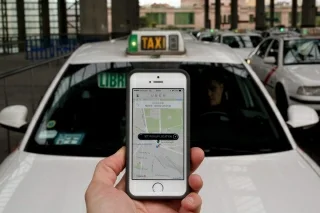
 Uber has been in the news several times for questionable business practices. Now, the company will pay $20 million to drivers because of a suit by the US Federal Trade Commission.
Ads on Craigslist and promotions on the Uber website boasted, "the potential income a driver on UberX can make in a year is more than $90,000 in New York and more than $74,000 in San Francisco." Boston drivers, Uber said, could make $25 per hour. But that is rarely the case: less than 10% of drivers in Boston earned that much, and drivers in NY and SF made, on average, $61,000 and $53,000.
Critics say Uber shifts risk and other expenses, such as car purchases, gas, and repairs to drivers, who don't reap the advertised benefits.
The company disputes how the FTC calculated income and responded to the settlement:
"We're pleased to have reached an agreement with the FTC
"We've made many improvements to the driver experience over the last year and will continue to focus on ensuring that Uber is the best option for anyone looking to earn money on their own schedule."
Discussion:
- What is your experience with Uber as a company? How does this news factor into your view of Uber?
- What could be the discrepancy between how Uber calculates income and how the FTC sees the situation? How credible do you find Uber's argument?
VW's Winterkorn Responds to Questions
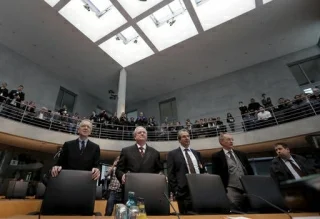
 Martin Winterkorn, Volkswagen's former CEO, responded to what the The New York Times calls "polite grilling" by the German government about the emissions scandal.
Winterkorn has a tough time defending himself when the company already admitted using software to cheat emissions tests. Several executives were indicted, including many who reported directly to him. As the Times reports, "Volkswagen's plea agreement with the Justice Department in Washington last week left no doubt that the fraud was the work of dozens, if not hundreds, of employees, rather than the result of a handful of rogue engineers as the company had first claimed."
But Winterkorn said he didn't know about the "defeat device" and "never did I have the impression that anyone was afraid to speak an open word with me." The Times article further questions the likelihood that Winterkorn knew nothing:
There is some reason to doubt Mr. Winterkorn's assertion. Mr. Gottweis, a Volkswagen executive who specialized in solving technical emergencies around the world, warned in a memo in May 2014 that American regulators were likely to investigate "whether Volkswagen implemented a test detection system in the engine control unit software (so-called defeat device)."
The memo was included in a stack of weekend reading given to Mr. Winterkorn at the time, but Volkswagen has said it was not clear if Mr. Winterkorn had read it. Mr. Gottweis reported directly to Mr. Winterkorn, however, and it is deemed unlikely that a warning from an executive known internally as "the fireman" would have been ignored.
Discussion:
- Do you believe Winterkorn's stance? Why or why not?
- How does Winterkorn benefit from continuing to deny knowledge of the defeat device? If he is lying, what are the potential consequences to him personally and professionally of admitting the truth?
- Some see this testimony as a missed opportunity for Volkswagen. Can you explain this point of view?

APA Responds to Book Controversy
 Japanese Hotel Group APA placed copies of a book written by the company CEO in all hotel rooms. Sounds nice, but the book calls the 1937 Nanjing massacre of 300,000 Chinese troops and civilians by the Japanese a "fabrication."
APA Founder Toshio Motoya wrote under a pen name but admitted to writing the book and having them distributed throughout the group's 370 budget hotels. A hotel guest's video showing the book content went viral on Weibo with 95 million views, according to Skift. At least one Chinese travel company in Japan stopped booking guests in APA hotels.
A spokesperson for the Chinese Foreign Ministry, Hua Chunying, said, "This once again shows that some forces in Japan are still reluctant to look squarely at history, and even try to deny and distort history."
APA responded in a statement, translated here. In this excerpt and throughout the statement, the company makes no apologies:
Although we acknowledge that historic interpretation and education vary among nations, please clearly understand that the book is not aimed to criticize any specific state or nation, but for the purpose of letting readers learn the fact-based true interpretation of modern history. Therefore, we have no intention to withdraw this book from our guest rooms, no matter how many denounces may be made about it from whatever viewpoint. Japan constitutionally guarantees freedom of speech and no one-sided pressures could force any assertion made get repealed.
Discussion:
- Did the company make a mistake by placing the books in hotel rooms? What are the rationale and consequences?
- How do you assess the company's response? Consider principles of responding to customer complaints in Chapter 7.
- Would you stay at an APA hotel? How, if at all, does this situation influence your decision?

SeaWorld Responds to Tillikum's Death
 Featured in Chapter 7 of the 10th edition, SeaWorld has not responded well to controversy about keeping orcas in captivity. Tillikum, an orca with a starring role in the movie Blackfish, died on January 6. In response, SeaWorld updated its Tillikum page with news about his "life and care," which, of course, have been in question for the 25 years he lived and worked at the park. The company also produced a video, "In Memory of Tillikum."
In a statement on its website, the company does acknowledge Dawn Bradshaw's death. However, the recent approach seems to blame Tillikum, while previous communications blamed Bradshaw and her wayward ponytail.
While today is a difficult day for the SeaWorld family, it's important to remember that Tilikum lived a long and enriching life while at SeaWorld and inspired millions of people to care about this amazing species.
Tilikum's life will always be inextricably connected with the loss of our dear friend and colleague, Dawn Brancheau. While we all experienced profound sadness about that loss, we continued to offer Tilikum the best care possible, each and every day, from the country's leading experts in marine mammals.
In December, PETA named Tillikum its first "animal of the year." When he died, PETA president and founder Ingrid Newkirk wrote an opinion article for Time Inc. titled, "Tillikum Died for His Freedom."
Discussion:
- How well is SeaWorld handling communications around Tillikum's death? Should the company do something differently now?
- How well is PETA capitalizing on the chance to get its message out? What persuasive strategies does Newkirk use in her Time Inc. op-ed? Was a Time article a good choice? What other channels did PETA use?
Retailers Sued for Fake Sales
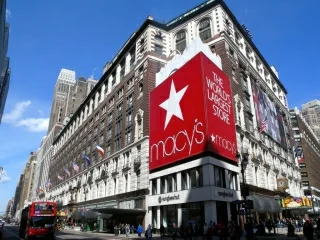
 When is a sale not really a sale? Macy's, Kohl's, JCPenney, and Sears are facing lawsuits for "false reference pricing"-showing prices as "regular," "list," or "original" when they never were. According to the Consumerist:
Under California law, retailers are prohibited from advertising an alleged former price of an item less the alleged former price was the prevailing market price within three months of the advertisement, or unless the date when the former price was in effect is clearly advertised.
To this end, the city [Los Angeles] claims that thousands of "sale" items were advertised at false reference prices.
In other words, items marked on sale were never sold at the so-called "original" price, and that's a misrepresentation.
The Los Angeles attorney who filed the suits said, "Customers have the right to be told the truth about the prices they're paying–and to know if a bargain is really a bargain. My office will fight to hold retailers responsible for their practices and to ensure consumers can make informed choices when spending their hard-earned money."
Checkbook.org brought a similar suit against some of these retailers in 2015. At that time, Sears made this statement:
"Sears disagrees with any suggestion that its pricing is misleading or deceptive. Sears is focused on providing its members with great prices on a wide variety of products and services," adding that it "complies with applicable pricing and advertising laws."
"... as a multi-channel, leading integrated retailer we are uniquely positioned to provide discounts to our members and customers in a number of different, legally compliant ways, including things like member pricing, store or online only promotions, clearance offers, and offers from third-party marketplace sellers," the statement said. "It is unfortunate that Checkbook.org did not appear to take these factors into account before making its assumptions."
Discussion Starters:
- How are you influenced by advertised "sales"?
- How believable do you find the two statements from 2015? What defense will the retailers bring to this suit?
Yahoo Responds to Data Breach (Again)
This is second post with the same title for BizCom in the News; the first was in September-just a few months ago.

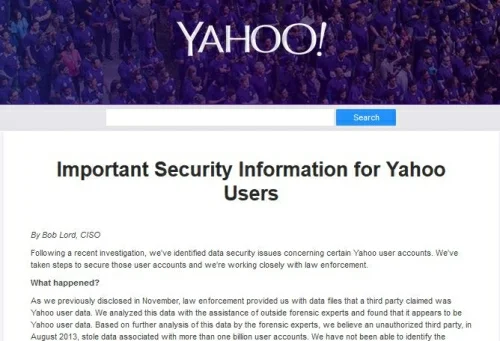
For this data breach, the company again used Tumblr to communicate with users. This post has bold headings, but the messages are similar.
Reuters reports this is the biggest data breach in history, affecting 1 billion users. The stock dropped 6%, and Verizon is renegotiating its terms to buy the company. Verizon has threatened to sue if Yahoo refuses to reduce the purchase price,
The Reuters article quotes experts with harsh comments about the company:
- "Yahoo has fallen down on security in so many ways I have to recommend that if you have an active Yahoo email account, either direct with Yahoo of via a partner like AT&T, get rid of it."
- "Considering the repeated cases of data theft, users should look more closely at which services they want to use in the future and security should play a part in that decision."
In addition to its blog post, a Yahoo spokesperson commented, essentially rephrasing part of the Tumblr post: "We're committed to keeping our users secure, both by continuously striving to stay ahead of ever-evolving online threats and to keep our users and platforms secure."
Discussion:
- How do you think this news will affect Yahoo users? Does it change your opinion of the company? Does the fact that Yahoo is a technology company influence your opinion?
- How well does the Tumblr post address users' concerns?
- Should the Yahoo spokesperson have said something different when questioned by the Reuters reporter? What might have worked better?
Is Sears Doomed?
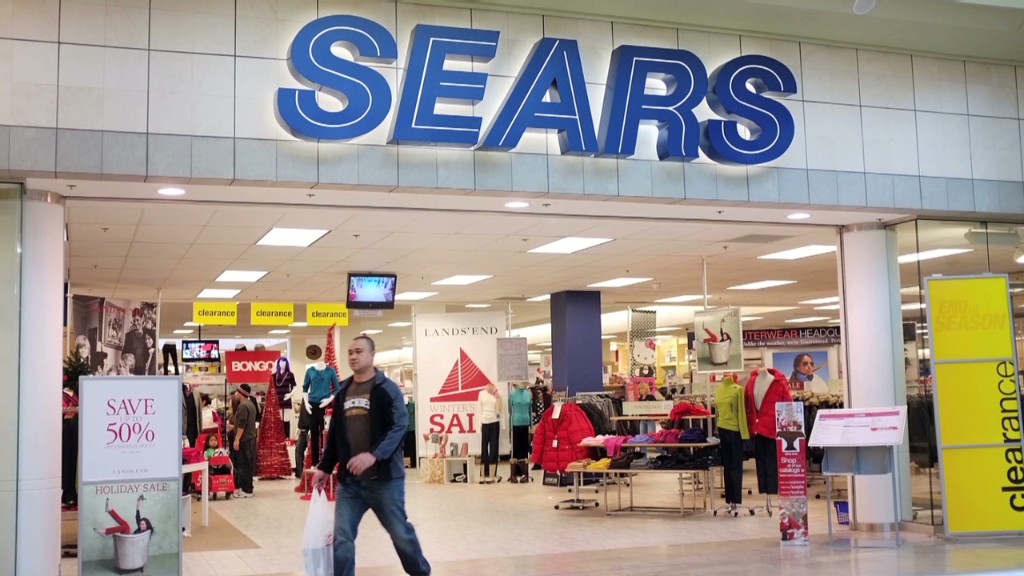 Yahoo Finance sees little hope for Sears. For years, the retailer has been closing stores and now it seems to be on its last leg. Declining sales caused the company to close 80 stores in July and another 64 through December.
CFO Jason Hollar remains optimistic:
We understand the concerns related to our operating performance. We have fallen short on our own timetable for achieving the profitability that we believe the company is capable of generating. With that said, the team remains fully committed to restoring profitability to our company and creating meaningful value.
This next sentence is a lesson in business jargon:
We believe that our liquidity needs will be satisfied through the foreseeable future using the levers available to us through our portfolio of assets.
In other words, they still have stuff to sell off (like brands) to keep the company afloat-perhaps not the best strategy. A failing company that sells its profitable bits is taking a big risk. The CEO of a retail consultancy doubts anything can save the business:
[T]he funds raised are not being used to develop of growth the firm - they are being used to prop up an ailing and failed business.
In our view, it is now too late to turn this around. It is just not financially feasible to reverse it.
How long can this drag on? BizCom in the News posts in 2011 and 2014 also focused on Sears store closings.
Discussion Starters:
- What are the Sears' executives communication choices at this point? They can continue to prop up the brand image, or . . . what are some other options? Assess the potential consequences of each
- Am I too harsh about Hollar's comment? If you were advising him to use simple or "plain" language, what would you suggest he say instead? You might consider a little emotional appeal as well.
- Hollar mentioned Kenmore as a potential sales opportunity. What's Sears without Kenmore?

Comms About the Oakland Warehouse Fire
 Oakland city officials and others are commenting on the "Ghost Ship" warehouse fire that killed at least 36 people who gathered for a concert party. A refrigerator may have caused the fire, but the building was under investigation for illegal living areas and potentially hazardous garbage on the property. A press release from the City of Oakland gives some history:
The last permitted use of the building was as a warehouse. On November 13, 2016, the City of Oakland received complaints of blight and unpermitted interior construction at the building. On November 17, 2016, a City building inspector visited the property and verified the blight complaint, but could not gain access to the building to confirm the other complaint regarding unpermitted construction. This is an ongoing investigation.
Members of the police department, sheriff's office, and others held a news conference on Sunday:
Reporting has been painful, as more bodies have been found, most people in their 20s and 30s. We don't yet know whether the warehouse owners or Ghost Ship managers will be charged. One of the managers, Derick Ion Almena, said of the tragedy: "They're my children. They're my friends, they're my family, they're my loves, they're my future. What else do I have to say?" Later, he posted, "Confirmed. Everything I worked so hard for is gone. Blessed that my children and Micah were at a hotel safe and sound ... it's as if I have awoken from a dream filled with opulence and hope ... to be standing now in poverty of self worth."
A New York Times article blames rising housing prices in the Bay Area and in other cities in the United States:
The victims died because they were trapped in a tinderbox. Yet the economic backdrop of the tragedy is also important because it shows how rising rents and fears of eviction can push vulnerable people in a desperate search for housing to unsafe spaces.
For some artists, Ghost Ship offered a rarity: a place to work and sleep.
Discussion Starters:
- Almena was criticized for his first comment, which sounded cold. What else should he have said?
- Assess the news conference speakers. What advice would you give them for improving crisis communications and presentation delivery?
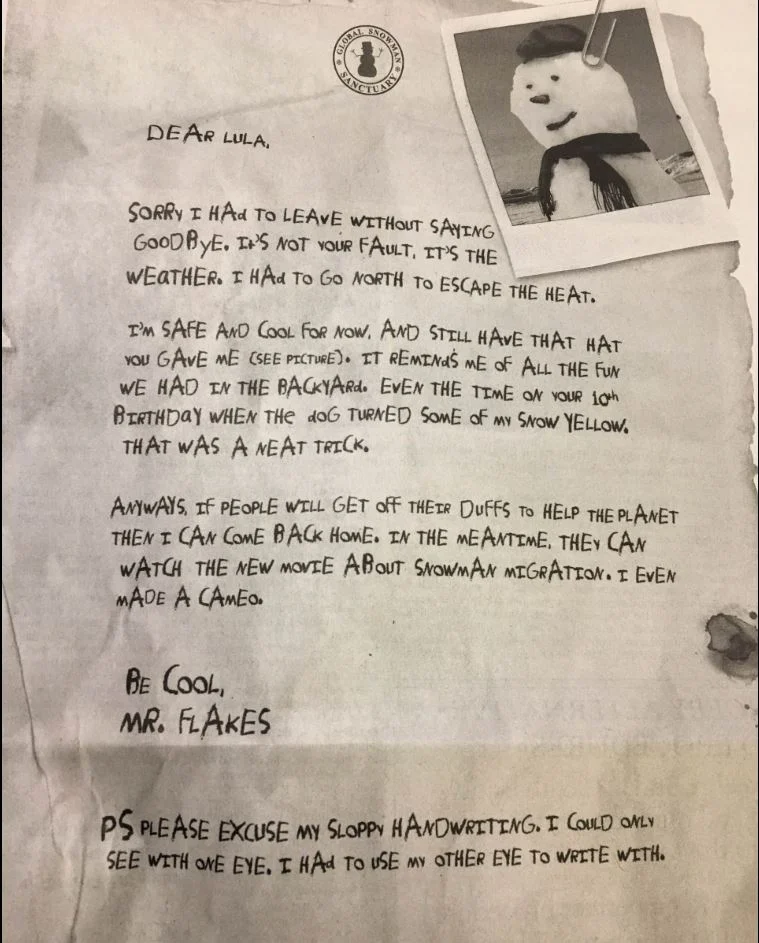
Catchy "Save Our Snowmen" Campaign
The organization Cool Effect has a clever ad campaign, including a full-page in this Sunday's New York Times calling for a "Global Snowman Sanctuary."
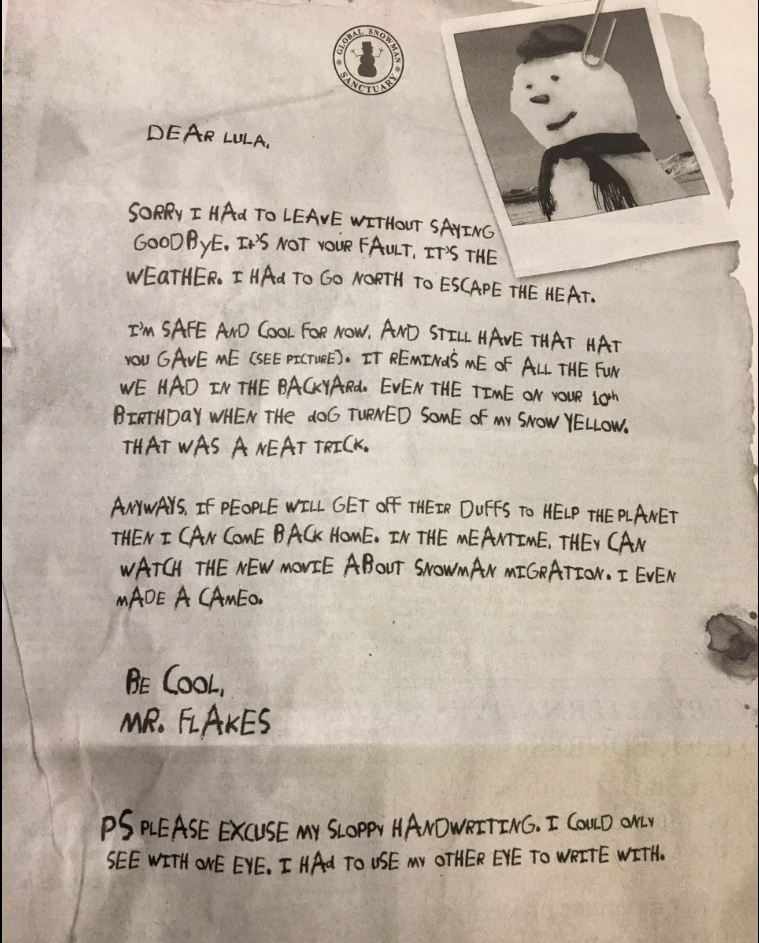
In a video, Cool Effect takes a fun approach to bringing attention to climate change. The organization is using crowdfunding to support projects that reduce carbon emissions. A summary on the video explains:
More than 4,000 species of snowmen are threatened every year by climate change. In 2016 alone, large Avalanches of snowmen have been seen migrating thousands of miles away from their yards of origin to colder climates. With safe havens like The Global Snowman Sanctuary few and far between, we need your help to provide a cold shelter from the excruciating warmth. The planet can't wait and neither can they.
In an interview with the Yale Climate Connections group, Cool Effect CEO Marisa de Belloy said, "One differentiator from existing climate change conversation is our method of communication."
Discussion Starters:
- What's your reaction to the group's communication? How is it different from other climate change initiatives?
- What are the potential risks of this approach? Consider a few downsides and how the strategy might backfire.
Princess Cruises Admits Dumping
 Princess Cruises, a division of Carnival, will pay $40 million in penalties for illegally dumping oil-contaminated waste into the ocean. The Department of Justice announced the news and called the activity "deliberate":
Princess Cruise Lines Ltd. (Princess) has agreed to plead guilty to seven felony charges stemming from its deliberate pollution of the seas and intentional acts to cover it up. Princess will pay a $40 million penalty-the largest-ever criminal penalty involving deliberate vessel pollution-and plead guilty to charges related to illegal dumping of oil contaminated waste from the Caribbean Princess cruise ship.
Assistant Attorney General Cruden had harsh words for the company:
The pollution in this case was the result of more than just bad actors on one ship. It reflects very poorly on Princess's culture and management. This is a company that knew better and should have done better. Hopefully the outcome of this case has the potential not just to chart a new course for this company, but for other companies as well.
Princess Cruises responded extensively in a statement posted on the website, in an FAQ, and in videos from the company executives. The president's video blames a few employees. A comment posted on YouTube under the video sums up one response: "this video needs taking down and a new one with someone who looks sorry is put up. her reading of this is terrible, like watching a 12yr old at a school play."
Discussion Starters:
- Read the company's statement and watch the videos. How well do the executives respond to the crisis? What could they have done differently?
- Does this news affect your decision to take a Princess Cruise? Why or why not?

Olive Oil Companies Sue Dr. Oz
 Dr. Oz is in trouble again for possible false claims. The TV personality is featured in the textbook in Chapter 9 for promoting products without evidence that they work. Now, an olive oil trade association, North American Olive Oil Association (NAOOA), is suing him for attacking the industry.
On his show, Dr. Oz said, "[A] shocking 80% of the extra virgin olive oil that you buy every day in your supermarket isn't the real deal," and "It may even be fake. Most of the olive oil in your pantry might be a scam." But Dr. Oz used taste tests, which Eryn Balch, a NAOOA representative said aren't an accurate way to determine product quality and purity.
A Forbes article explains the issue:
The problem with the study and its interpretation is twofold: 1) Sensory taste tests cannot detect purity and 2) The number of samples was small and hardly representative of the marketplace, testing only three specimens each of fourteen imported and five California brands. "It got misinterpreted, and it just spread," Balch said. Even the New York Times got it wrong, with an infographic claiming that 69% of all imported olive oils are "doctored," even though the Olive Center report showed no such thing. The Times eventually corrected its mistake but the damage was already done. "It's been five years now, and it's still spreading," Balch said.
Dr. Oz was most recently in the news because a group of doctors signed a petition to have him removed from his position at Columbia University Department of Surgery. He also made headlines for promoting a weight loss program without proven evidence. His impact is sometimes called the "Dr. Oz Effect" because his claims sell a lot of product.
Discussion Starters:
- Dr. Oz will fight the suit, of course. What claims and evidence will he use to make his case?
- What does it take to convince you to buy a new product or stop buying a product you have been using? Consider principles from Chapter 7 on persuasion: logical argument, emotional appeal, and credibility. To which do you most respond?

South Korean President Mired in Scandal
 With a dismal 4% approval rating, South Korea President Park Geun-hy is facing possible impeachment. The country is outraged, and people are calling for her resignation. The trouble involves the president's long-time friend, Choi Soon-sil, who was just indicted for fraud and abuses of power.
The Washington Post describes Park's relationship with Choi:
A famously aloof person, Park is accused of relying on Choi for everything from policy advice to wardrobe choices, instead of seeking counsel from her aides. Choi, the daughter of a shamanistic cult leader, is accused of exploiting those ties to raise money and win favors for herself and her family.
Choi used her influence to get companies to "donate" $70 millions; business leaders felt if they didn't contribute, they would be subjected to audits or other actions taken by the government. The prosecution for Choi determined that Park was heavily involved.
According to The Washington Post, the protests are the largest the country has seen since 1987, when South Korea democratized.
Discussion Starters:
- What parallels do you see between this story and recent company scandals?
- How should we decide when it's time for a country or a company president to resign? Is it Park's time?
JPMorgan Found Guilty of Hiring Chinese Execs' Children
 JPMorgan Chase will pay settlements worth $264 million for hiring the children of Chinese executives in exchange for business. A three-year investigation found that the hires constitute bribery, and five more banks are under investigation.
An SEC press release describes the findings:
According to an SEC order issued today, investment bankers at JPMorgan's subsidiary in Asia created a client referral hiring program that bypassed the firm's normal hiring process and rewarded job candidates referred by client executives and influential government officials with well-paying, career-building JPMorgan employment. During a seven-year period, JPMorgan hired approximately 100 interns and full-time employees at the request of foreign government officials, enabling the firm to win or retain business resulting in more than $100 million in revenues to JPMorgan.
"JPMorgan engaged in a systematic bribery scheme by hiring children of government officials and other favored referrals who were typically unqualified for the positions on their own merit," said Andrew J. Ceresney, Director of the SEC Enforcement Division. "JPMorgan employees knew the firm was potentially violating the FCPA yet persisted with the improper hiring program because the business rewards and new deals were deemed too lucrative."
A company statement is nowhere to be found. The major news articles don't include a company quotation, and neither the Press Releases or News and Announcements sections of the JPMorgan website list a response.
According to a statement by the U.S. Department of Justice, the company has taken some internal action:
JPMorgan APAC also took significant employment action against six employees who participated in the misconduct resulting in their departure from the bank, and it disciplined an additional 23 employees who, although not involved in the misconduct, failed to effectively detect the misconduct or supervise those engaged in it.
Discussion Starters:
- How does this happen inside an organization? Consider who is involved in hiring decisions-sometimes a lot of people.
- Should JPMorgan make a statement about the settlement? Complete an audience analysis before you decide, and consider why the company leaders might choose to stay silent.
Marriott CEO's Letter to Trump
Marriott CEO Arne Sorenson is the latest company executive to write about the election results. In an open letter on LinkedIn, Sorenson offers some leadership advice.
The letter starts with Sorenson's views about government's role:
"The government has no business in our bedrooms – or our bathrooms. Everyone, no matter their sexual orientation or identity, has a right to live without interference in their private lives. Similarly, everyone, no matter their sexual orientation or identity, gender, race, religion disability or ethnicity should have an equal opportunity to get a job, start a business or be served by a business. Use your leadership to minimize divisiveness around these areas by letting people live their lives and by ensuring that they are treated equally in the public square."
Sorenson then focuses on three areas: "infrastructure, immigration reform and tax reform." As a hotel manager, Sorenson clearly is concerned about potential reductions in global travel and talent. He also encourages a more realistic approach for immigrants who are already in the U.S.
Discussion Starters:
- Why do you think Sorenson chose an open letter on LinkedIn as the medium for his message? What are some alternatives?
- What principles of persuasion, discussed in Chapter 7 of the book, does Sorenson use? Try to find examples of logos, pathos, and ethos.
- How does Sorenson's role as the CEO of Marriott influence his positions? Which of his suggestions would benefit hotel companies?
- Should Trump respond? If so, how, and what should he say?
Grubhub CEO: Agree or Resign?

The CEO of Grubhub had a tough message for employees who disagree with his anti-Trump sentiment: "you have no place here." After the election, Matt Maloney wrote an email about tolerance and inclusion. He expressed his disappointment in Trump's election, particularly his "demeaning, insulting and ridiculing minorities, immigrants and the physically/mentally disabled" and his "nationalist, anti-immigrant and hateful politics."
He went a step further at the end of the email:
"If you do not agree with this statement then please reply to this email with your resignation because you have no place here. We do not tolerate hateful attitudes on our team. I want to repeat what Hillary said this morning, that the new administration deserves our open minds and a chance to lead, but never stop believing that the fight for what's right is worth it."
Media reports and social media responses interpreted Maloney's message as a threat: anyone who voted for Trump should resign.
Maloney has responded that his email was misinterpreted:
"I want to clarify that I did not ask for anyone to resign if they voted for Trump. I would never make such a demand. To the contrary, the message of the email is that we do not tolerate discriminatory activity or hateful commentary in the workplace, and that we will stand up for our employees."
This distinction is important; otherwise, the company may be discriminating against people based on political views.
Discussion Starters:
- Read Maloney's full message to employees and his statement. How do you interpret his original message and the explanation?
- Should Maloney have sent the email to employees? What are the benefits and risks to the company and to him personally?
- Could Maloney have revised the email to avoid the controversy? How so?
Wells Fargo's New Commercial
Wells Fargo is trying to rebuild its image after facing the scandal that it opened accounts for people who didn't request them and weren't aware they had them. Until now, we heard little from the company, except an email to some customers and a full-page ad with plans that seemed quite basic.
A new, short commercial focuses on three points: fully refunding those impacted, proactively sending new account confirmations, and eliminating product sales goals.
These actions are a bit more specific than what has been communicated in the past. However, a skeptic like me might say these steps are still the bare minimum that the company can do for customers. Also eliminating product sales goals, which arguably caused the trouble because they were overly aggressive, should have been done years ago, particularly now that we know employees had reported issues but were ignored or retaliated against.
Discussion Starters:
- Assess this commercial. Who are the primary and secondary audiences? What are the communication objectives? How well does the company achieve them?
- Consider the language choices. The three actions aren't quite parallel. What other changes could be made?
- What else should Wells Fargo do at this point to rebuild its image?