
Comparing Artists’ Statements about Freedom 250
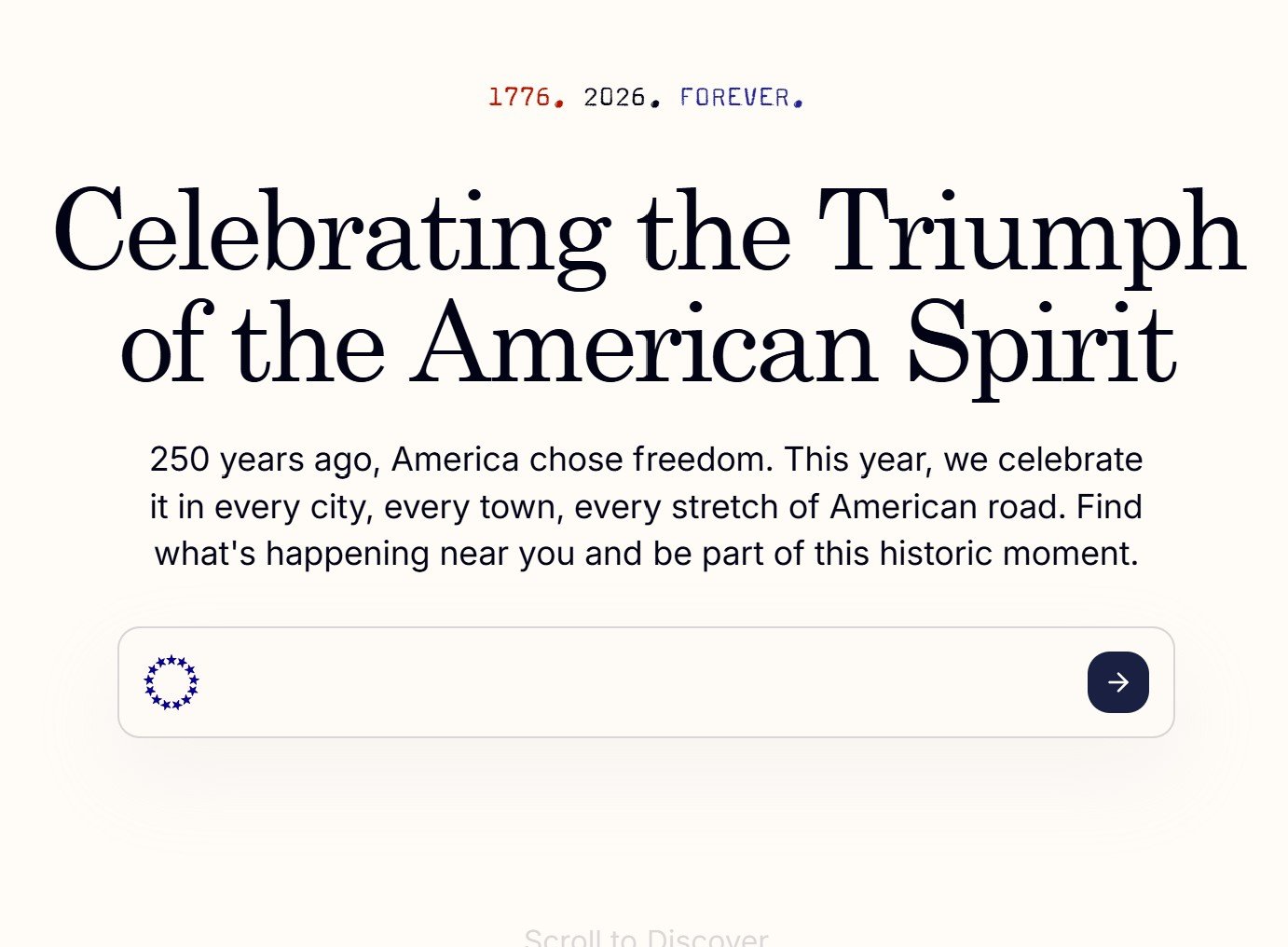
Students might compare how performing artists communicated their decision to withdraw from a Freedom 250 event.
The same day the Great American State Fair concert on the National Mall was announced, several artists changed their mind about participating. Some said they were misled, believing the event wasn’t as non-partisan as initially described to them. Here’s the description on the Freedom 250 website:
Freedom 250 is the national, non-partisan organization leading the celebration of our Nation's 250th birthday. Working together with the White House Task Force 250, federal agencies, and the Commission, Freedom 250 serves as the official public-private partnership that connects, aligns, and amplifies national and local efforts to deliver the defining presidential moments of this anniversary year.
At its heart, Freedom 250 is creating a movement of citizens, organizations, companies, and leaders from across the country to honor our Nation's proud history, cherish our God-given freedoms, and build the Golden Age of Opportunity for the next 250 years. Other signature events include the Great American State Fair, Memorial Day Parade, and Evening Candlelight gathering, Sail4th 250, Salute to America (DC July 4), and the Patriot Games, among others.
Here are statements to compare and a few distinguishing elements. Links to full posts illustrate disconnections in some, jumping from the decision to a global statement without any substantive rationale.
Brett Michaels: Emphasizes concern for fan safety and failing integrity—inconsistency is messaging—of event organizers.
“Concerns have also been raised regarding the safety of my fans, band, crew, family and myself, including threats that are completely unfounded and unforgivable.”
“Unfortunately, what was presented to us as a celebration of our country has evolved into something much more divisive than what I agreed to be part of.”
Martina McBride: Also emphasizes integrity—in this case, consistency between her actions and her songs.
“It greatly upsets me that any fan who has been moved by my music may now feel like I’m abandoning the meaning behind those songs.”
Young MC: Also says he was misinformed, although students might question why he and others didn’t know the event was “Trump backed.”
“The artists were never told about any political involvement with the event. And despite the claims by the organizers that the event is non-partisan, SPIN magazine describes [it] as Trump-backed.”
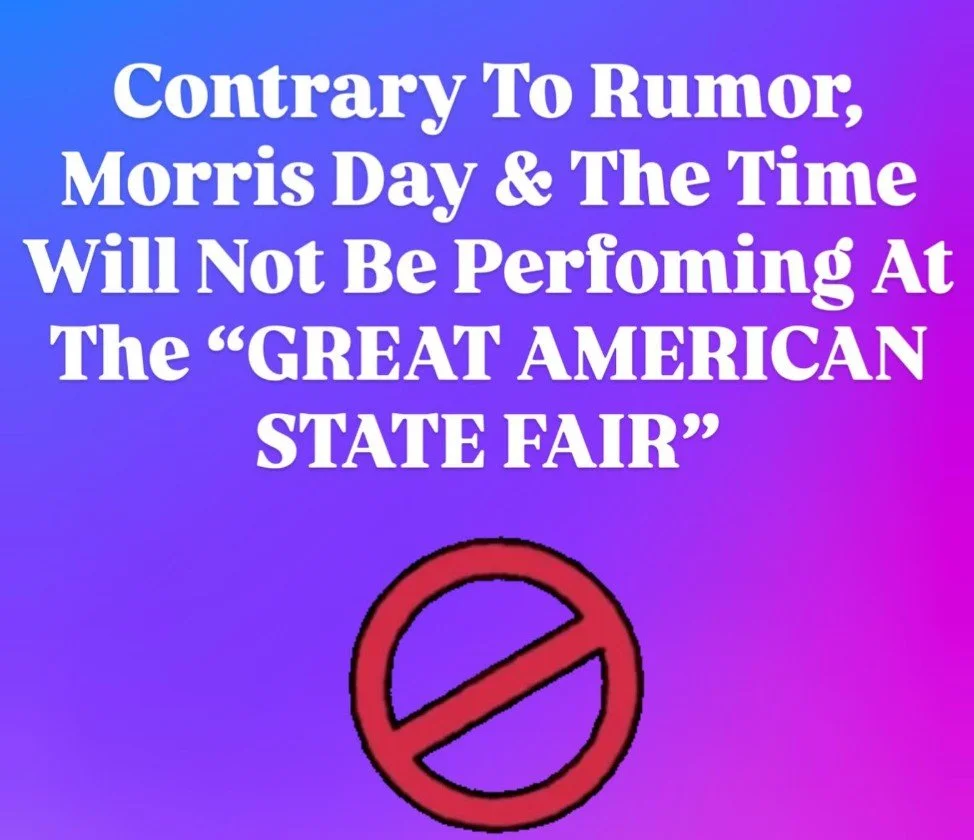
Morris Day: Says little but posted this image with jarring colors, an outdated circle-slash, (likely) Cooper-Black font, and the caption, "It's A No For Me.”
The Commodores: Published a statement about their values, as others do.
"Our music has always been our voice, and we choose not to publicly affiliate with any single political party. We support the betterment of all Americans."
Students may find more posts and analyze them for their own illustrations of character as well as inconsistencies and reasoning gaps.