
Persuasion Principles for Stanford’s New Dating App
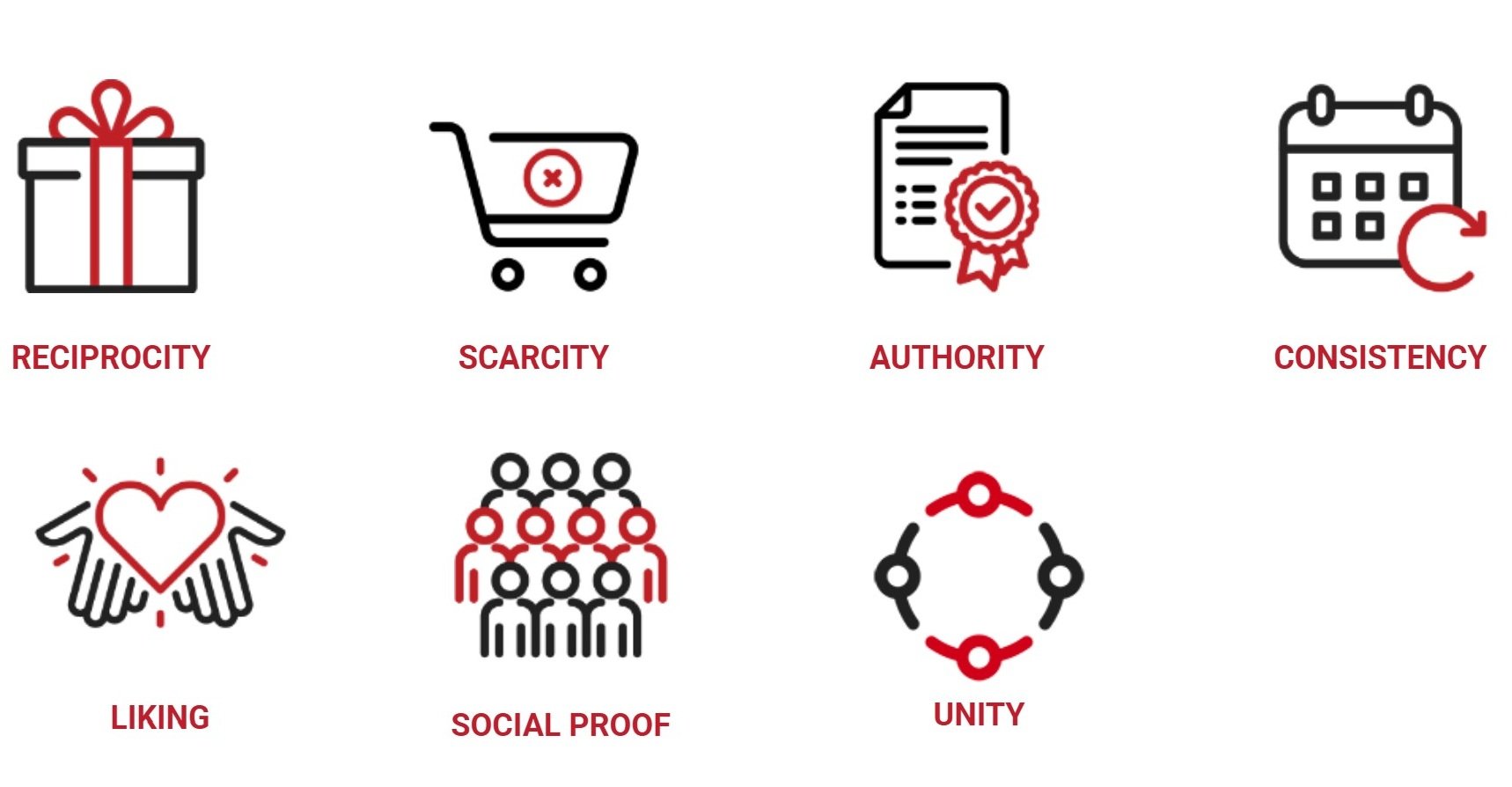
More than 5,200 of Stanford’s 7,500 undergrads signed up for Date Drop, a new dating app. Students might enjoy analyzing how the app operation and marketing illustrate Robert Cialdini’s Seven Principles of Persuasion.
Here are a few examples of each.
Reciprocity: People Repay in Kind
In effect, the app offers the gift of qualified matches to people who sign up and complete a detailed questionnaire.
Scarcity: People Want More of What They Can Have Less Of
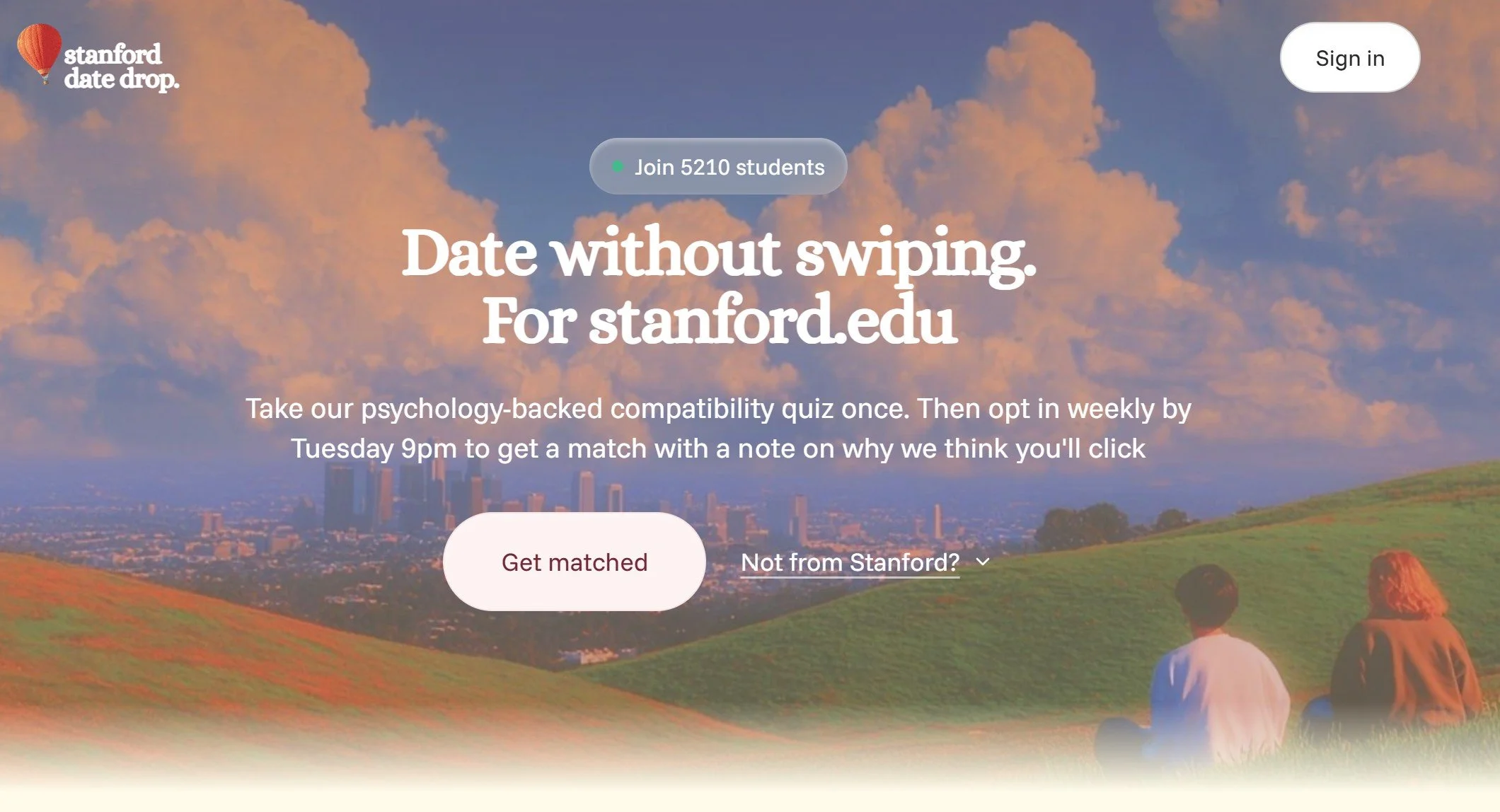
”Dropping” matches on Tuesdays at 9pm generates excitement for that one time and encourages people to gather and share their matches then. Also, taking a page from Mark Zuckerberg’s original Facebook, the app was limited to Stanford students and is now offered to other schools, but only students within each school see matches, creating an exclusive service.
Authority: People Defer to Experts
The website encourages, “Take our psychology-backed compatibility quiz,” and boasts their success: “We've made 35,000 matches, and they turn into real dates 15× more often than Tinder's.” (Of course, part of that success likely is proximity.) In the FAQ, the founders explain how the matching algorithm works. (Founders of The Marriage Project, a 2017 Stanford startup that claims dozens of marriages accused Date Drop of co-opting some of their questions and marketing approaches.)
Consistency: People Align with Their Clear Commitments
After taking the time and trouble to answer 66 questions, students almost certainly opt in to see their matches.
Liking: People Like Those Who Like Them
This one isn’t as apparent as some others. Compliments and commonalities are wanting in the marketing, which we might expect in the main and about sections of the website. This could say more about the founder, a graduate student, than anything else.
Social Proof: People Follow the Lead of Similar Others
I’m not sure how the app got started—and students may be interested to find out—but it picked up speed quickly. At this point, with such a high percentage of students on the app, it’s hard to not be a part.
Students can easily identify other persuasion principles used and reasons students might be drawn to the app. For example, Date Drop is a great name, with it’s monosyllabic words, alliteration, and allusion to other “drops,” such as media launches. Like Facebook, it’s a fast success.