
Accent Bias
New research highlights what students might already know: Nonnative English speakers receive less public engagement.
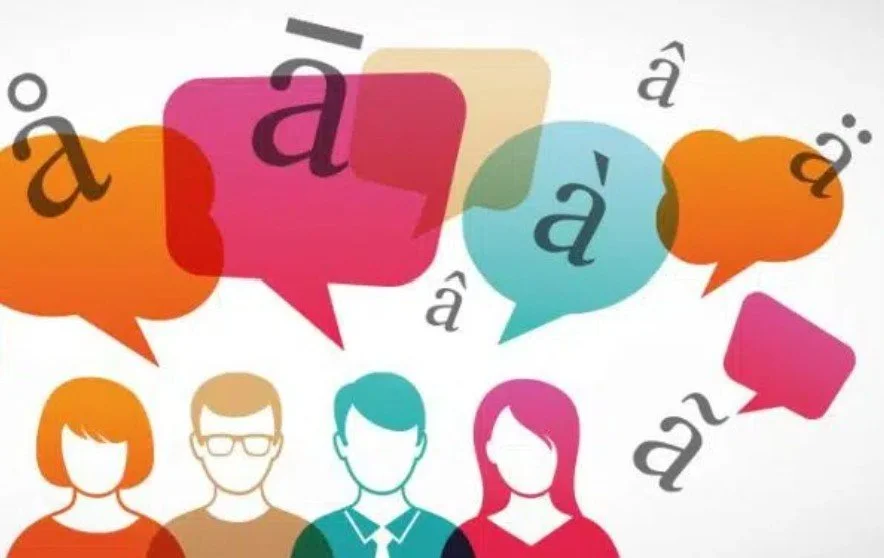
Authors of studies published in Psychological Science analyzed more than 5,000 TED Talks and lab tested a presentation excerpt. They found that “accentism” bias affected video views and likes. They blame difficulty processing accents and stereotyping based on accents.
Of course, even native speakers have accents that trigger reactions. But nonnative accents may more negatively impact online engagement.
The authors suggest the following, which may be worth exploring with students:
Offer “level ground” to TED speakers by featuring nonnative speakers on the platform
Use technology to ease cognitive processing, for example, by providing subtitles in several languages, employing AI to correct mispronunciations, and providing language translation
Educating people about accentism
Students might discuss which of these ideas might work best for different situations, for example, an entrepreneur’s pitch to a VC or an conference presentation. They also might consider the downsides of each; using AI to correct mispronunciations is definitely worth a discussion.
In addition, students might have their own ideas on the topic—both about online engagement and for other situations involving nonnative speech. Becoming more familiar with nonnative accents—increasing exposure—may improve comprehension. Also, research shows that instructing students not to discriminate against nonnative speakers reduced negative teaching evaluations.
Students might find other ways to encourage more open-mindedness, which may cause listeners to feel less burdened and to be more accepting of the additional cognitive processing required to understand others. They might be reminded of cultural humility, which certainly plays a role in how much patience we have and how much we value people who speak differently than we do.